Introduction and Background
What Is Tooth Sensitivity?
Tooth sensitivity – also known as dentin hypersensitivity – is a common dental condition characterized by a short, sharp pain or discomfort in one or more teeth when exposed to certain triggers. These triggers can include hot or cold temperatures (like a sip of hot coffee or a bite of ice cream), sweet or acidic foods and drinks, or even just breathing in cold air. If the taste of ice cream or a gulp of cold water makes you wince, or brushing and flossing occasionally cause sudden pain, you may have sensitive teeth. The pain from sensitive teeth is typically sudden and fleeting, but it can be intense and can affect your quality of life.
Why does this happen? In healthy teeth, the outer layer of enamel protects the visible part of the tooth, and a layer called cementum covers the tooth root under the gums. Beneath these layers is a softer layer called dentin, which contains microscopic tubules (tiny hollow channels) leading to the tooth’s nerve center (the pulp). Tooth sensitivity occurs when dentin loses its protective covering, allowing those microscopic tubules to transmit stimuli directly to the tooth’s nerve. When enamel is worn down or gums recede (exposing the root surface), hot, cold, acidic, or even sticky foods can reach the nerves inside the tooth via these tubules, causing a jolt of pain.
Why It Matters
Tooth sensitivity might seem like a minor annoyance, but it matters for several reasons. First, it’s very common – statistics show that roughly one in every eight people experiences sensitive teeth, so if you have it, you’re not alone. It can significantly impact your daily life: you may start avoiding your favorite hot or cold foods and drinks, and even routine activities like brushing on a cold morning can be painful. In some cases, tooth sensitivity is a warning sign of an underlying dental problem – for example, it could mean you have a cavity, thinning enamel, or gum recession that needs attention. In other words, sensitive teeth aren’t just something to “put up with.” Addressing sensitivity can not only relieve pain but also help catch issues like tooth decay or gum disease early, before they lead to more serious problems. The good news is that tooth sensitivity is treatable and often preventable, so understanding it is the first step toward relief.
Signs, Symptoms, and Causes
Common Signs and Symptoms of Tooth Sensitivity
Tooth sensitivity usually presents as a quick, sharp pain or a mild ache in a tooth (or multiple teeth) in response to certain stimuli. Ask yourself if you’ve felt any of these common symptoms of sensitive teeth:
- Pain with cold or hot temperatures: A sudden flash of pain when you drink ice water, eat ice cream, or sip hot coffee or tea. The pain typically starts immediately upon contact with the cold or heat and subsides after the stimulus is removed.
- Discomfort with sweet or acidic foods: Some people feel a twinge when eating sugary treats (like candy or chocolate) or very acidic foods and drinks (such as citrus fruits or soda). The sweetness or acid can trigger sensitivity in exposed dentin.
- Pain when brushing or flossing: If brushing your teeth – especially around the gum line – makes you wince, or if flossing a particular tooth is painful, it could be due to exposed, sensitive areas on the tooth root or neck.
- Sensitivity to cold air: On a cold day, simply breathing in sharply or opening your mouth outside might cause a zinging sensation in sensitive teeth.
- No lingering pain: A hallmark of typical dentin hypersensitivity is that the pain is transient. It usually doesn’t linger for minutes or hours once the trigger is gone. (If you experience prolonged or throbbing pain that continues even after the stimulus is removed, that could indicate a different issue like a deep cavity or nerve inflammation – in that case, you should see a dentist.)
Patients often describe sensitive tooth pain as a stinging, tingling, or shock-like sensation that can range from mild discomfort to a fairly intense jolt. It can affect one tooth, several teeth, or widespread areas of the mouth. If the pain is localized to one specific tooth every time, it might point to a problem in that tooth (like a crack or cavity), whereas general sensitivity across many teeth could suggest enamel wear or gum recession in multiple areas.
What Causes Tooth Sensitivity?
Tooth sensitivity is essentially caused by exposed dentin, but what leads to that dentin exposure can vary. Here are some of the most common causes of tooth sensitivity:
- Enamel Erosion or Wear: Over time, the enamel can wear down or thin out, exposing the sensitive dentin beneath. Enamel erosion can happen due to acidic foods and drinks (e.g. frequent soda, citrus, or vinegar consumption) that chemically erode the enamel. It can also occur from brushing too hard or using a hard-bristled toothbrush, which physically wears away enamel. Acid reflux disease or frequent vomiting (as in bulimia) can also bathe the teeth in acid and erode enamel. When enamel wears away, the tooth’s protection is reduced, leading to sensitivity.
- Gum Recession: If your gums recede (pull back) and expose the roots of your teeth, those roots don’t have enamel covering them – they’re protected only by a thin layer of cementum which can be easily worn away. Gum recession is often caused by gum disease (periodontitis) or by aggressive tooth brushing over the years. Exposed roots have many tiny tubules leading right to the tooth’s nerve, so gum recession commonly triggers sensitivity. (Taking care of your gums is important – as discussed in our article on gum disease, untreated gum problems can lead to recession and tooth sensitivity.)
- Tooth Decay or Worn Leaky Fillings: A cavity (tooth decay) can break down enamel and dentin, creating a pathway to the tooth’s nerve that causes sensitivity. Often, sensitivity to sweets or to pressure can be a sign of a developing cavity. Old dental fillings that have cracked or worn out can also leave gaps or expose dentin. The American Dental Association notes that tooth decay and worn fillings are both possible causes of sensitive teeth. If you have sensitivity in one tooth that also has a visible pit or an old filling, it’s possible the filling isn’t protecting the tooth like it used to.
- Cracked or Chipped Teeth: A cracked tooth can cause sharp pain that feels like sensitivity. Cracks can expose the inner layers of the tooth, or cause the tooth to flex when biting, irritating the nerve. Even a tiny hairline crack or a chip can make a tooth sensitive to biting pressure or temperature changes. If you only feel sudden pain when biting a certain way or if sensitivity comes with chewing, a crack or fracture might be the culprit. (See our article on what to do for a cracked tooth for more info on how dentists handle this issue.)
- Whitening Products and Recent Dental Procedures: Teeth whitening is a known cause of temporary sensitivity – whitening gels or strips can make your teeth sensitive during and after treatment because the bleaching agents can penetrate the enamel slightly, irritating the tooth nerve. The good news is this type of sensitivity is usually short-lived and resolves once you finish the whitening process. (If you’re whitening your teeth and dread the zingers of pain, talk to your dentist about gentler whitening options, and check out our teeth whitening guide for tips to minimize sensitivity.) Other recent dental procedures can also cause transient sensitivity. It’s not unusual to have sensitive teeth for a week or two after getting a deep cleaning, a filling, or a crown – the tooth needs time to calm down. However, if it persists, let your dentist know.
- Teeth Grinding or Clenching (Bruxism): Chronic grinding or clenching your teeth – especially at night – can wear down enamel over time, leading to sensitivity. Grinding not only abrades the enamel, but can also cause microscopic cracks. Many people grind their teeth unknowingly due to stress or sleep disorders. If you frequently wake up with jaw soreness or headaches and have generalized tooth sensitivity, bruxism might be a contributing factor. A dentist can often tell by the wear patterns on your teeth if you’re grinding.
- Plaque Buildup and Gum Disease: Poor oral hygiene can lead to heavy plaque and tartar buildup on teeth. Plaque is acidic and can contribute to enamel demineralization (softening), and tartar on root surfaces can irritate gums and cause recession. Gum disease (gingivitis and periodontitis) can result from plaque accumulation and leads to inflamed, receding gums – exposing dentin on the roots and causing sensitivity. (We discuss this process more in our gum disease article, but the bottom line is that keeping your teeth clean is key to preventing sensitivity from these causes.)
- Age and Other Factors: Tooth sensitivity can affect anyone, but some data indicates it may be most common in people in their 20s, 30s, and 40s. One large study found sensitive teeth to be more likely among younger adults (under 50) than older adults. This could be because younger people are more likely to use whitening products or have certain dental habits. That said, seniors can certainly have sensitive teeth too, especially if gum recession or wear-and-tear is present. Other factors that can contribute include recent orthodontic adjustments (teeth can be sensitive after tightening braces), or temporomandibular joint (TMJ) issues where jaw clenching leads to teeth sensitivity. Even frequent consumption of very hot foods followed by cold (causing expansion and contraction of teeth) might create microscopic cracks over time. In most cases, though, one of the major causes above is involved.
It’s worth noting that tooth sensitivity is usually a symptom of something – like enamel erosion, gum recession, or a specific dental issue. Identifying the underlying cause is important, because that guides how to treat it. We’ll next look at how dentists diagnose tooth sensitivity and what you can do about it.
Diagnosis and Professional Assessment
How Is Tooth Sensitivity Diagnosed?
Diagnosing tooth sensitivity often starts with you and your dentist having a conversation. The dentist will ask about your symptoms: Which teeth bother you? Is it triggered by cold, heat, sweets, or biting? Does the pain come and go quickly, or does it linger? Your answers help distinguish true dentin hypersensitivity from other problems like tooth decay or nerve infection.
Next, the dentist will perform a clinical examination. They’ll visually inspect your teeth and gums, looking for obvious causes: cavities, cracks, exposed root surfaces from gum recession, or worn-down enamel. They might gently probe your teeth with a dental explorer or apply a puff of air or cold water to see if it elicits the sharp pain typical of sensitivity (dentists sometimes use a cold test or an air syringe on different areas to pinpoint the sensitive spot). Don’t worry – it might zing for a moment, but it helps confirm which teeth are affected. In some cases, X-rays may be taken to rule out other issues like deep decay, a tooth abscess, or a cracked tooth that’s not visible to the eye.
Importantly, diagnosing tooth sensitivity often means ruling out other causes of tooth pain. The dentist will want to ensure that the discomfort isn’t due to a serious problem requiring a different treatment. For example, a persistent one-tooth sensitivity to heat could actually be a sign of an inflamed tooth nerve (pulpitis) needing a root canal, rather than simple enamel sensitivity. So your dentist will check for signs of cavities, infected pulp, or gum disease to address those conditions if present. Only after eliminating other possible causes will they conclude you have dentin hypersensitivity. One dental study emphasized that clinicians should diagnose dentin hypersensitivity only after investigating and ruling out all other possible sources of pain.
What you can do: Be prepared to describe your sensitivity to your dentist as clearly as possible. Note when it started, what triggers it, and if anything (like applying a toothpaste or a warm compress) makes it better or worse. This information, combined with the dentist’s exam, will lead to a proper diagnosis.
When Should I See a Dentist?
You might be wondering if your level of tooth sensitivity warrants a dental visit. Here are some general guidelines on when to seek professional help:
- If your sensitivity lasts more than a few days or is getting worse: Occasional twinges that go away in a day or two may not be urgent. But if a tooth is highly sensitive for more than three or four days in a row, it’s time to see a dentist. Persistent sensitivity could be a sign of an underlying issue that needs treatment (like a cavity or a leaky filling).
- If you feel sensitivity to multiple types of triggers: For example, the tooth hurts with both hot and cold, or with sweets and pressure, consistently. Broad sensitivity can indicate significant dentin exposure or multiple contributing factors, which a dentist should evaluate.
- If the pain is very sharp, intense, or lingers: As mentioned, true sensitivity pain is usually quick and fleeting. If you experience a more severe, lingering toothache, or spontaneous pain without any obvious trigger, that’s not typical of simple sensitivity – it could mean a deeper problem (like an infection or nerve damage). Don’t wait on this; see a dentist promptly.
- If only one tooth is causing trouble: A single-tooth sensitivity (especially if it started suddenly) could mean that tooth has a crack, a deep cavity, or another issue localized to it. It’s best to have the dentist examine it, since fixing that tooth (with a filling, crown, or other treatment) might resolve the pain.
- If over-the-counter aids aren’t helping: Have you been using a desensitizing toothpaste or other home remedies for a few weeks with no improvement? That’s a sign you should get a professional evaluation. Often, if sensitivity toothpaste hasn’t made a dent in the pain after 2–4 weeks of regular use, there may be something more a dentist needs to address.
In short, don’t ignore tooth sensitivity if it’s frequent or bothersome. While mild sensitivity isn’t an emergency, it can affect your quality of life and may signal a condition that a dentist should treat. As one dental advice source puts it: if a tooth is highly sensitive for more than a few days and reacts to multiple stimuli, it’s time to visit your dentist.
And remember, you don’t have to “just live with it.” Dentists have many ways to reduce and eliminate sensitivity – so there’s no need to suffer in silence or give up your favorite foods. When in doubt, call your dental office and ask; they can advise if you should come in.
What Type of Dentist Should I See?
For most cases of tooth sensitivity, your general dentist (family dentist) is the appropriate person to see first. General dentists are well-equipped to diagnose the cause of sensitive teeth and provide initial treatments. They handle issues like cavities, fillings, gum care, and can apply desensitizing treatments. In fact, the majority of sensitivity causes (enamel wear, minor gum recession, small cracks or cavities) can be managed by a general dentist.
If your situation requires special expertise, your general dentist may refer you to a specialist:
- If your sensitivity is due to severe gum recession or advanced gum disease, you might be referred to a periodontist (a gum specialist). A periodontist can perform procedures like gum grafts to cover exposed roots and treat advanced periodontal disease.
- If the tooth’s nerve is involved or a root canal is needed, you may be sent to an endodontist. Endodontists specialize in treating the inside of the tooth (pulp) and are experts in root canal therapy. For example, if you have prolonged sensitivity that turns out to be due to an inflamed or dying nerve, an endodontist might perform a root canal to fix it.
- In cases of a cracked tooth that needs special care or a crown, some dentists might refer you to a prosthodontist or an experienced restorative dentist, especially if the crack is complex. However, often your general dentist can handle cracked teeth by placing a crown or bonding.
- For children or teens with sensitivity (for instance, sensitivity related to new teeth coming in or braces), a pediatric dentist or orthodontist might be consulted if relevant. Pediatric dentists are skilled in managing dental issues in kids, and orthodontists can help if braces or tooth alignment are contributing factors.
In summary, start with your regular dentist. They will guide you if another specialist’s input is needed. Most importantly, don’t self-diagnose to the point of seeing the wrong type of specialist on your own – an initial exam will clarify what the cause is and thus who is best to treat it. Fortunately, any licensed dentist will be familiar with tooth sensitivity, since it’s such a common complaint, and they can either treat you or point you in the right direction. The key is to seek help so you can get relief and protect your teeth from further issues.
Treatment and Management
Treatment Options (In-Office Dental Treatments)
Sensitive teeth can be treated, and the right treatment depends on what’s causing the sensitivity. After diagnosing the cause, your dentist may suggest one or more of the following professional treatments to provide relief:
- Desensitizing Dental Products: One of the simplest treatments is application of a desensitizing agent right onto the sensitive areas. Dentists have stronger fluoride solutions or other compounds (like potassium nitrate or calcium phosphate pastes) that can be applied in-office to help block the exposed tubules in the dentin. Often, a fluoride gel or varnish is painted onto the sensitive teeth. This strengthens the enamel and dentin and can significantly reduce sensitivity. It’s a quick, painless treatment. Some offices also use products that contain minerals to help plug the tubules (such as calcium phosphates or oxalates). These treatments may need to be reapplied periodically, but they can offer immediate relief.
- Dental Bonding or Sealants: If a specific area of tooth is exposed and causing pain (for example, a spot of exposed root on a tooth where gums have receded), the dentist can cover it. Bonding involves applying a tooth-colored resin material to cover exposed dentin. Sealants (commonly used on chewing surfaces to prevent cavities) or bonding resins can be used on other surfaces of the tooth as well to seal over the sensitive spots. For example, if you have a notch at the tooth root (abrasion or erosion lesion), bonding that area can protect it and stop the sensitivity. This is a relatively straightforward procedure done under mild etching and adhesive – usually no numbing needed.
- Fluoride Treatments: As mentioned, fluoride helps strengthen tooth enamel. In addition to in-office fluoride varnish, your dentist might prescribe a high-fluoride toothpaste or rinse for daily use at home. In-office fluoride varnish treatments are quick: the dentist or hygienist will dry the teeth and paint on a sticky fluoride coating that sets on the teeth. You’ll be asked not to eat or drink for 30 minutes afterward to let it work. This concentrated fluoride can fortify the enamel and reduce sensitivity. Fluoride treatments are especially common if you have generalized sensitivity and are often done at routine cleaning visits.
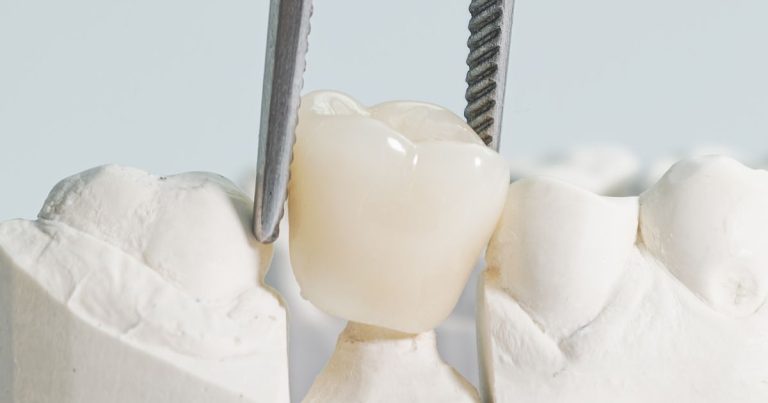
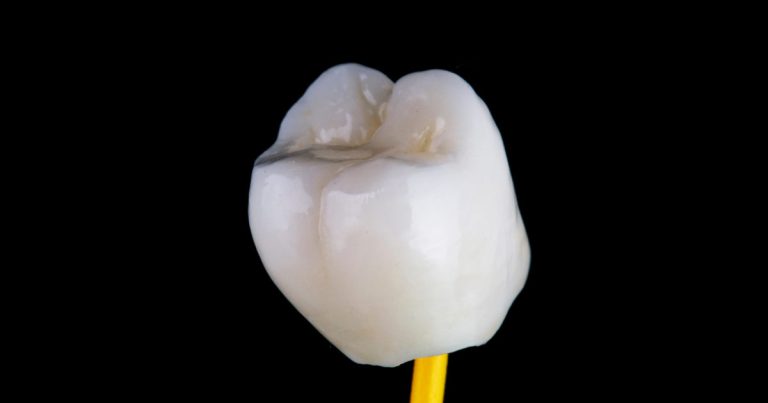
- Repairing Decay or Damage: If your sensitivity is due to a specific problem like a cavity, a cracked tooth, or a worn-out filling, the definitive treatment is to fix that problem. This could mean the dentist will remove decay and place a dental filling or, if a filling has leaked, replace it with a new one. If a tooth is cracked or has a structural issue, a crown (a protective cap over the tooth) or an inlay/onlay might be recommended. By restoring the tooth’s structure, these treatments eliminate the exposure of inner layers and thereby reduce sensitivity. For minor cracks or exposed areas, a simple bonding (as above) might suffice; for more significant damage, a crown could be the solution. These procedures address the root cause of sensitivity by restoring the tooth’s integrity.
- Surgical Gum Grafts: When gum recession is severe and a lot of root surface is exposed (causing chronic sensitivity), a gum graft can be a very effective treatment. In a gum graft procedure, a periodontist takes a small piece of gum tissue (often from the roof of your mouth or a donor source) and attaches it to the recessed area, covering the exposed root. This not only reduces sensitivity by shielding the root with new tissue, but also helps protect the tooth from decay and further recession. Gum grafting is a minor surgical procedure done with local anesthesia, and it usually has a good success rate in reducing sensitivity for those cases that truly need it. (It’s generally reserved for areas of recession that are advanced or worsening – your dentist will tell you if this is necessary in your case.)
- Root Canal Therapy: This is generally the last resort for treating tooth sensitivity, but in some cases it’s needed. If the sensitivity is severe, persistent, and not responding to other treatments – especially if it’s due to an internal tooth problem (like the nerve itself being over-active or inflamed) – a root canal can solve it. A root canal is a procedure where an endodontist removes the nerve tissue from inside the tooth and seals the canal; this eliminates the tooth’s ability to sense pain. Most people think of root canals for deep infections and abscesses, but sometimes a badly cracked tooth or a chronically sensitive tooth that doesn’t improve by other means might get this treatment. It sounds extreme, but if your dentist recommends it, it’s because other options aren’t enough to relieve the pain. The root canal will essentially cure the sensitivity by removing the source of feeling. Fortunately, true dentin hypersensitivity rarely requires a root canal – it’s only in unusual cases or where there are overlapping issues (like a crack or deep decay) that it comes into play.
Your dentist will tailor the treatment plan to what’s causing your sensitivity. Often, a combination approach works best – for instance, you might get a fluoride varnish treatment at the office, plus instructions to use a prescription desensitizing toothpaste at home. If one solution doesn’t fully work, don’t be discouraged; dentists have multiple tools in the toolbox, and sometimes it takes a couple of different approaches to completely solve the issue. The key is that sensitive teeth can be treated effectively. Make sure to communicate with your dentist about what you’re experiencing; they’ll help choose the right treatment to get you comfortable again.
Managing Tooth Sensitivity at Home
In addition to professional dental treatments, there are several steps you can take at home to manage and reduce tooth sensitivity. Many patients find that making these adjustments greatly improves their symptoms:
- Use a Desensitizing Toothpaste: Over-the-counter toothpastes formulated for sensitive teeth (such as Sensodyne, Colgate Sensitive, or Crest Sensitivity) can help a lot. These toothpastes contain compounds like potassium nitrate or stannous fluoride that, with regular use, help block the sensation traveling from the tooth surface to the nerve. Use the sensitive toothpaste twice daily in place of your regular toothpaste. It usually takes at least 2 weeks of daily use to notice improvement, so be consistent. (Pro tip: After brushing at night, spit out the excess but don’t rinse your mouth with water – leaving a bit of the residue on your teeth can let it work longer.) Desensitizing toothpaste is a simple and cost-effective remedy, and for many people, it significantly reduces sensitivity over time.
- Brush Gently with a Soft-Bristled Toothbrush: Brushing harder does not mean cleaner teeth – it just wears down your enamel and gums faster. Switch to a soft-bristled toothbrush (or an extra-soft one) if you haven’t already. Whether you use a manual brush or an electric, use gentle pressure; let the bristles do the work. Vigorous scrubbing can contribute to enamel wear and gum recession, which we want to avoid. Not sure if you’re brushing too hard? Check your toothbrush bristles: if they’re frayed and splayed out, you’re pressing too hard. Using a soft touch will protect your teeth and actually improve your oral hygiene by cleaning the gumline without damaging it. If you need help with technique, ask your dentist or hygienist – they can show you how to effectively remove plaque while being kind to your teeth.
- Adjust Your Oral Care Routine: In addition to brushing gently, consider a few other tweaks. Use a non-abrasive toothpaste (most sensitivity toothpastes are low-abrasive). Avoid harsh whitening toothpastes or heavy tartar-control pastes for now, as some ingredients in those can increase sensitivity. Floss daily, but carefully, so you don’t snap the floss hard against your gums. If you like using mouthwash, choose an alcohol-free, neutral fluoride rinse rather than a strong antiseptic rinse, as the latter can sometimes sting sensitive areas. And importantly, don’t stop brushing or flossing due to sensitivity – a common myth is that “if it hurts, don’t brush,” but that will only invite more problems like cavities or gum disease. Keep up your oral hygiene, just do it in a gentler way (and maybe after numbing the sensitivity with toothpaste or rinse). Good oral hygiene is key to preventing further sensitivity, so it’s a matter of how you clean, not whether you clean.
- Watch Your Diet (Avoid Acidic Foods and Extreme Temperatures): Dietary habits can make a big difference. Frequent consumption of very acidic foods or drinks is a major contributor to enamel erosion. Try to cut down on sodas, sports drinks, citrus fruits and juices, vinegar-based foods (like pickles or salad dressing), wine, and even sour candies – these can all strip minerals from your enamel over time. If you do enjoy them occasionally, rinse your mouth with water afterward to neutralize acids, and wait at least 30 minutes before brushing (brushing immediately on acid-softened enamel can wear it away faster). Also, avoid chewing ice or very hard candies which can crack teeth and worsen sensitivity. When having very hot or cold items, consider moderating extremes: for example, let hot coffee cool a bit, or drink cold drinks with a straw so the liquid bypasses your sensitive front teeth. Moderating these habits gives your teeth a gentler environment and can reduce daily sensitivity triggers.
- Use Fluoride Products at Home: Fluoride isn’t just for kids or cavity prevention – it’s also great for strengthening enamel against sensitivity. Incorporate a fluoride mouthwash into your nightly routine (many over-the-counter fluoride rinses are available). Alternatively, your dentist might prescribe you a high-fluoride toothpaste or gel (such as 5,000 ppm fluoride toothpaste) to use once a day. These high-fluoride products can help remineralize weakened enamel and exposed dentin, reducing sensitivity over time. Even drinking fluoridated tap water (if your community water is fluoridated) can contribute to stronger enamel. Think of fluoride as a vitamin for your teeth – it can make them more resistant to the stimuli that cause pain.
- Address Tooth Grinding or Clenching: If you suspect that you grind your teeth at night (signs include flattened chewing surfaces, chipped enamel, or morning jaw pain), talk to your dentist about getting a night guard. A custom-fitted night guard is a plastic mouthpiece you wear during sleep that absorbs the forces of grinding. This can protect your enamel from further wear and prevent cracks. Teeth grinding (bruxism) is a big contributor to sensitivity for some people, so tackling this habit can greatly improve your comfort. Even during the day, be mindful and avoid clenching your teeth – try to keep a relaxed jaw with a slight gap between your teeth when you’re not eating. Stress management techniques can also help reduce grinding. By preserving your enamel and preventing new damage, you’ll likely see a decrease in sensitivity.
- Maintain Regular Dental Check-ups: Continue seeing your dentist for routine cleanings and exams, typically every six months (or as advised). Regular cleanings will remove tartar that you can’t eliminate at home and keep your gums healthy – which in turn helps prevent gum recession and sensitivity. Your dentist can also monitor any problem areas. If you’ve had bonding or sealants applied for sensitivity, they’ll check those at each visit. They may reapply fluoride varnish or desensitizers during cleanings as needed. Staying on top of your dental visits means new cavities or issues that could cause sensitivity are caught early and addressed before they become bigger problems. Prevention is always better (and cheaper) than cure.
By combining good professional care with these at-home strategies, most people find their tooth sensitivity becomes much more manageable or even goes away completely. The goal is to break the cycle of sensitivity by protecting your teeth and reducing exposure to things that hurt them. It may take a few weeks to a couple of months to see big improvements, so be patient and stick with the routine. If something isn’t helping, follow up with your dentist – they may suggest an alternative approach. With the right care, you can enjoy your hot coffees and cold treats again without the zingers!
Potential Complications
What Happens if Tooth Sensitivity Is Left Untreated?
Tooth sensitivity itself may not seem like a serious condition – you might think, “It’s just a little pain with ice cream, I can live with that.” However, ignoring persistent tooth sensitivity can lead to several potential complications:
- Underlying Issues Can Worsen: Often, sensitive teeth are trying to tell you something. If the sensitivity is due to an underlying problem like a cavity or gum disease and you don’t address it, that problem will likely get worse. For example, a small cavity that only caused a mild sweet sensitivity can grow into a deep cavity that causes a real toothache or even an abscess (infection). In fact, tooth sensitivity that is not resolved can turn into a true toothache over time, as the dental issue progresses. The same goes for gum issues – gum recession from early gum disease can lead to greater recession, bone loss, and even loosening of the teeth if the disease advances. In short, untreated sensitivity can be a precursor to more serious dental troubles.
- Increased Pain and Discomfort: What might start as a minor twinge can become more severe if the causative factor continues. Enamel erosion, for instance, will expose more dentin over time, meaning the area of sensitivity in the tooth becomes larger. You might go from one tooth being sensitive to multiple teeth. The pain can intensify to the point where you start avoiding using one side of your mouth or stop eating certain foods altogether. This can affect your nutrition and enjoyment of meals.
- Risk of Tooth Damage: If sensitivity makes you unconsciously avoid cleaning a certain area because it hurts, that area could be at higher risk for decay or plaque buildup. For example, if brushing a particular tooth is painful, you might shy away from it, allowing plaque to accumulate and potentially cause a cavity or gum infection there. Additionally, some people try to chew only on the opposite side to avoid a sensitive tooth, which can put extra wear on those teeth or on your jaw joint. An imbalanced bite or chewing pattern can cause TMJ strain or other teeth to crack.
- Impact on Quality of Life: Chronic pain, even mild, can wear you down. If you’re always wary of what you eat or drink, it can take some joy out of mealtimes. Some folks with sensitive teeth get anxious about dental visits, fearing cleanings will hurt (be sure to tell your hygienist if you have sensitivity – they can use numbing gel or be extra gentle in those spots). There’s also the general stress of anticipating pain: taking a bite and waiting for that zing. Over time, this can stress you out or make you avoid healthy habits (like drinking cold water or eating fruits) because of the association with pain.
- No Spontaneous “Cure”: Hoping that sensitivity will just go away on its own might lead to disappointment. While some sensitivity (like post-whitening sensitivity or post-dental-work sensitivity) is temporary and will resolve, most cases related to enamel wear or gum recession will not fix themselves. Enamel does not grow back once it’s lost, and receded gums won’t magically regrow without intervention. In fact, without changes in habits or professional treatment, they may continue to worsen. Thus, leaving sensitivity untreated can mean a slow, steady increase in the problem.
In summary, leaving tooth sensitivity untreated can allow the underlying causes to escalate into more serious conditions that require more invasive treatment. A mild sensitivity today could be a root canal or a gum surgery a year from now if one ignores the warning signs. As one article put it, the sensations may come and go, but if tooth sensitivity is left unaddressed, it can interfere with your everyday life and potentially turn into a more severe toothache down the road. The bright side is that by tackling sensitivity early – whether with better home care or a quick dental fix – you can avoid these complications. So don’t consider sensitive teeth as “just the way it is” or a minor inconvenience; take action to protect your long-term oral health. Your future self (enjoying an ice-cold drink pain-free) will thank you!
Prevention and Prognosis
Can Tooth Sensitivity Be Prevented?
Yes, in many cases tooth sensitivity can be prevented – or at least significantly minimized – by caring for your teeth and gums in ways that protect the enamel and prevent dentin exposure. Here are some key preventive strategies:
- Practice Good Oral Hygiene (Gently): Keeping your teeth clean helps prevent two major causes of sensitivity: tooth decay and gum disease. Brush at least twice a day and floss daily to remove plaque, but remember to use a soft brush and gentle technique as noted earlier. Proper oral hygiene is fundamental in preventing sensitive-tooth pain. If you keep your gums healthy and your teeth free of cavities, you’ve eliminated many of the common sensitivity triggers.
- Use Fluoride and Strengthen Your Enamel: Make fluoride your friend. Regular use of fluoride toothpaste (and drinking fluoridated water if available) helps remineralize enamel, making it more resistant to erosion and wear. You can also use over-the-counter fluoride rinses. If you have a history of sensitivity or cavities, ask your dentist about periodic fluoride treatments or prescription high-fluoride toothpaste. Strong enamel is the best defense against sensitivity, so boosting it is a smart preventive move.
- Avoid Enamel Erosion Habits: Try to reduce behaviors that wear down enamel. This includes moderating acidic foods and drinks (as discussed), not brushing aggressively, and not grinding your teeth. If you do grind, wearing a night guard will prevent a lot of enamel loss. Also, be cautious with DIY whitening products – overuse can contribute to sensitivity; always follow recommended times and concentrations, or seek professional whitening which can be safer for enamel.
- Protect Your Gums: Preventing gum recession is key. That means treating any gum inflammation promptly. Don’t ignore bleeding gums – early gingivitis can be reversed with professional cleanings and good home care before it leads to recession. Also, avoid using tobacco, which is very harsh on gum tissue and can worsen periodontal disease. By keeping your gums healthy and avoiding injury to them (like overly hard brushing or using toothpicks too aggressively), you’ll keep the roots of your teeth well covered.
- Regular Dental Check-ups: See your dentist regularly for cleanings and exams. This way, if any early signs of enamel wear, gum problems, or small cavities are developing, they can be addressed before you even feel sensitivity. Your dentist or hygienist can also apply preventive treatments (like fluoride or sealants on vulnerable areas) during visits. These proactive measures can stop sensitivity before it starts.
- Balanced Diet and Saliva: Interestingly, your diet and hydration affect your risk for sensitivity. Eating a balanced diet with plenty of calcium, vitamin D, and phosphates helps your teeth stay strong. Stimulating saliva flow (by chewing sugar-free gum after meals, for example) can help neutralize acids and remineralize teeth naturally, since saliva contains minerals that bolster enamel. Avoid constant snacking on sugary or acidic things; give your teeth “breaks” so saliva can do its protective job. A healthy mouth environment will go a long way toward preventing sensitivity.
- Be Cautious with Tooth Whitening: If you plan to whiten your teeth and you know you have a tendency for sensitivity, take preventive steps. Use a sensitivity toothpaste for a couple of weeks before whitening, and consider a lower concentration whitening agent or spread out the treatments. Consult your dentist for a whitening plan that minimizes sensitivity (they might suggest pre-treatments with fluoride or potassium nitrate). By whitening smartly, you can often prevent or lessen the typical sensitivity that comes with it.
Overall, prevention is about maintaining the protective barriers of your teeth. Enamel and gums are those barriers – take care of them and you’ll be much less likely to deal with sensitivity. While not every case can be 100% prevented (some people just have thinner enamel or more sensitivity-prone teeth), these measures dramatically reduce the odds and intensity of sensitivity issues.
Long-Term Outlook (Prognosis)
Most people with tooth sensitivity can take heart: the long-term outlook is generally very good if you take steps to manage and treat the condition. Tooth sensitivity is not a life sentence; it’s more like a signal that something needs a tweak in how you care for your teeth or a minor treatment is needed. Here’s what you can expect looking forward:
- Improvement with Treatment: Once the cause of your sensitivity is identified and addressed, you should experience significant relief. For instance, if a fluoride treatment and using sensitive toothpaste alleviate your symptoms, continuing those routines will likely keep the sensitivity at bay indefinitely. If you had a cavity filled or a gum graft done, that specific cause of pain is essentially “cured.” Many patients find that after treatment, they can resume eating and drinking normally without pain. You might always be a bit mindful of extremely cold or acidic exposures, but it won’t be a daily annoyance.
- Maintenance is Key: The prognosis stays good as long as you maintain the preventive habits that stop sensitivity from returning. Enamel that’s been strengthened can be weakened again if, say, you go back to chugging soda all day. Gums that have been treated can recede more if oral hygiene lapses. So, the long-term outlook is in your hands to a large degree. The sensitivity may come back if the underlying issue crops up again (for example, new gum recession or another round of whitening without precautions). However, knowing what causes sensitivity for you means you’ll be able to manage your lifestyle and dental care to minimize those causes.
- Monitor and Adapt: It’s wise to keep an eye (or rather, an ear) on your teeth. If you notice new sensitivity down the road, it might indicate a new problem – but you’ll now know not to ignore it. Regular dental visits ensure that new issues are caught early. If you do something that you know might trigger sensitivity (like orthodontic treatment or a dental procedure), you can preemptively use sensitivity toothpaste or get a fluoride treatment to mitigate it. In essence, you become proactive about your tooth health, which bodes very well for keeping sensitivity under control long-term.
- No Serious Harm if Managed: Unlike some dental conditions, mild dentin hypersensitivity doesn’t cause damage by itself – it’s a symptom, not a destructive process. So if you manage it well, you’re not in danger of tooth loss or anything catastrophic from the sensitivity alone. The real risk was in the causes (decay, gum disease, etc.), and if those are handled, your teeth can stay strong and intact. Most people with sensitive teeth who follow dentist recommendations continue to have perfectly healthy teeth; they just have to be a bit more mindful of their triggers and care.
- Psychological Outlook: Don’t underestimate the peace of mind that comes with resolving tooth sensitivity. Many patients are delighted and even surprised at how much happier they are when they no longer get zinged by their food or daily routines. Being able to drink ice-cold water on a hot day or enjoy a scoop of ice cream without dread is a small joy you get back. And knowing that you have the tools to control sensitivity (like your special toothpaste or routine dental care) gives you confidence. You’ll know that if it ever acts up, it’s fixable – which is a great long-term mindset.
In summary, the prognosis for sensitive teeth is excellent when properly managed. It’s a condition that typically can be completely alleviated or at least significantly reduced with the right approach. You might always have to use a certain toothpaste or keep an eye on your acidic intake, but those are relatively easy trade-offs for a pain-free mouth. Sensitive teeth do not have to keep you from living your life fully – with ongoing care, you can expect to be able to eat, drink, and smile comfortably for the long term.
Common Misconceptions
There are many myths floating around about tooth sensitivity. Let’s clear up some of the most common misconceptions so you have the facts:
- Myth: “Tooth sensitivity only affects older adults.”
Fact: Sensitive teeth can affect anyone, regardless of age. While it’s true that wear and gum recession in older adults can lead to sensitivity, younger people experience it too – sometimes even more so. Studies have found that adults in their 20s, 30s, and 40s often report sensitive teeth, in part because of dietary habits (like acidic drinks) and teeth whitening trends. Even teenagers can have sensitivity, especially after orthodontic treatments or if they have enamel defects. In short, sensitivity is not exclusive to seniors; it’s a cross-generational issue. Don’t ignore your tooth pain because you think you’re “too young” for sensitive teeth, and conversely, don’t assume it’s normal just because you’re getting older. - Myth: “Sensitive teeth are just something you have to live with – it’s normal.”
Fact: While tooth sensitivity is common, it is not something you should simply accept as a fact of life, especially if it’s frequent or painful. Regularly experiencing sharp tooth pain is a sign that something is going on, often enamel erosion or gum issues, that can be treated. You don’t have to suffer or avoid the things you enjoy. There are many remedies (from special toothpaste to dental treatments) that can greatly reduce or eliminate sensitivity. Also, by treating sensitivity, you might uncover an underlying problem early on. So, sensitive teeth are common but not “normal” in the sense that you should ignore them – getting relief is definitely possible and recommended. - Myth: “Whitening products are the main cause of sensitive teeth.”
Fact: Whitening toothpastes and bleaching kits are well-known to cause temporary sensitivity in some people, but they are far from the only cause of sensitive teeth. In reality, most chronic tooth sensitivity is due to factors like enamel wear, gum recession, or cavities – not just whitening. It’s true that if you use whitening strips or get professional bleaching, you might feel some sensitivity for a short period (and if so, you should use a sensitive toothpaste and inform your dentist). However, if you have ongoing sensitivity unrelated to a recent whitening treatment, it’s likely due to another issue. Whitening gets a bad rap because people notice the immediate effect, but factors like heavy brushing, acidic diet, and gum disease play a bigger role in long-term sensitivity. That said, if you love whitening your teeth but dread the post-bleaching zingers, talk to your dentist. They can often adjust the treatment plan or recommend products to mitigate this side effect, rather than you having to swear off whitening forever. - Myth: “If your teeth are sensitive, you should avoid brushing them so hard – or even skip brushing.”
Fact: It’s true that you should avoid brushing too hard (abrasive brushing can cause sensitivity), but you absolutely should not stop brushing your teeth if they’re sensitive. Not brushing will lead to plaque buildup, cavities, and gum disease – which will make your problems much worse. The correct approach is to brush gently with a soft brush and perhaps a special toothpaste, not to eliminate oral hygiene. Some people feel nervous about brushing sensitive areas; if that’s you, use a desensitizing toothpaste and maybe warm water to rinse (cold water can hurt) but keep cleaning those teeth. Maintaining good oral hygiene will improve sensitivity in the long run, not aggravate it, as long as you do it gently. Think of it this way: sensitive teeth need more TLC, not less cleaning. By keeping them clean, you reduce the chances that decay or gum inflammation will add to your pain. - Myth: “Sensitive teeth mean my teeth are weak or I’m going to lose them.”
Fact: Having sensitive teeth does not necessarily mean you have “weak” teeth overall or that you’re doomed to dental problems. Sensitivity usually means that the protective layers (enamel or gum tissue) have been slightly compromised in spots – not that your entire tooth is fragile. For instance, you might have perfectly strong teeth with great oral health, but if you overdid a whitening treatment or have one receded gum, you could have one sensitive spot. It doesn’t mean your teeth are rotting or will fall out; it means you need to address that exposed area. Many people have one or two sensitive teeth and the rest are fine. Once treated, those sensitive teeth function just like normal. Of course, you should take sensitivity as a hint to maybe adjust some habits (like we’ve discussed), but don’t assume it’s a sign of impending tooth loss or something dire. In fact, most cases of sensitivity are easily managed and have no impact on the long-term stability of the teeth once addressed properly. - Myth: “There’s no cure for sensitive teeth – you just have to avoid triggers.”
Fact: This is a pessimistic view we often hear from patients who have “tried everything.” But in modern dentistry, there are many ways to effectively treat sensitive teeth. It might take some trial and error to find what works for you, but giving up isn’t necessary. Desensitizing toothpastes, professional treatments, covering exposed areas with bonding, and other methods we’ve discussed can dramatically improve or completely resolve sensitivity. So you do not have to simply avoid cold drinks forever or chew only on one side for life. It’s about finding the right solution, not surrendering. The vast majority of people get relief when the cause is correctly identified and treated. Sensitive teeth can be treated and managed, allowing you to enjoy a normal diet and lifestyle. If you’ve seen a dentist and still suffer, consider a second opinion or a referral to a specialist; sometimes a fresh approach finds the answer. But don’t lose hope – sensitive teeth are fixable in most cases.
By busting these myths, we hope you feel more empowered to deal with tooth sensitivity. Remember, accurate information and professional guidance are your best tools in addressing any dental concern.
Costs and Insurance
Typical Costs of Treatment for Tooth Sensitivity
One practical concern many people have is, “How much will it cost to fix my sensitive teeth?” The cost of treating tooth sensitivity can vary widely depending on the cause and the solution needed. Here’s a breakdown of common approaches and their typical costs (note: actual prices depend on your location and dental office, and these are just rough estimates):
- Desensitizing Toothpaste and Oral Care Products: These are thankfully very affordable. A tube of over-the-counter desensitizing toothpaste usually costs just a few dollars (on the order of $5–$10, similar to regular toothpaste). In fact, many of the at-home remedies for sensitivity are inexpensive: a bottle of fluoride mouthwash or high-fluoride rinse might be under $10, and even special over-the-counter fluoride gels or brush-on treatments are often in the $5–$20 range. This means you can start managing sensitivity on a shoestring budget in many cases. There’s essentially no insurance needed here since these are over-the-counter items, but they’re cheap enough that most people can incorporate them into their routine without financial strain.
- In-Office Fluoride or Desensitizing Treatments: If you get a fluoride varnish or similar desensitizing agent applied at the dentist’s office, the cost is relatively low compared to other dental procedures. A typical fluoride treatment at a dental visit might cost between $20 and $50 if billed separately. Sometimes it’s even included as part of a routine cleaning for children. Many dental insurance plans cover fluoride treatments (especially for kids, and increasingly for adults with sensitivity or high cavity risk) as a preventive measure, often covering it entirely or with a small co-pay. So, this is a high-value, low-cost treatment. Other in-office desensitizing procedures (like applying a bonding agent to exposed dentin) may have a similar cost range or slightly more, depending on how extensive the area is – generally well under $100.
- Dental Fillings or Bondings for Sensitivity: If a small filling or a bonding is needed (for example, to fill a cavity that’s causing sensitivity, or to cover a notch in the tooth), the cost will usually be akin to getting a normal filling. Dental fillings can range from roughly $150 to $300 or more per tooth without insurance, depending on the size and material (silver amalgam is often cheaper, tooth-colored composite a bit more). On average, many people might pay somewhere in the low hundreds per filling out of pocket. If you have dental insurance, fillings are typically classified as a “Basic” service, and insurance might cover around 50–80% of the cost, leaving you with a co-pay. For instance, if a composite filling costs $250 and your insurance covers 80% for basic restorations, you’d pay about $50. Bonding an exposed root (without a cavity) might sometimes be charged similarly to a filling or slightly less if it’s a small area – again in the low hundreds at most.
- Night Guards (for Bruxism): Should you need a custom night guard to prevent grinding-related sensitivity, that appliance can cost somewhere between $100 and $300 (sometimes more) depending on the type and if it’s made in an outside lab. Many insurance plans do not cover night guards, or might cover them only once in a certain number of years. However, even if not covered, some dentists offer payment plans for them, and the cost is a one-time investment for long-term protection.
- Gum Graft Surgery: This is one of the more expensive treatments in the sensitivity toolkit, because it’s a minor surgical procedure. The cost of a gum graft can vary widely. On the low end, a simple graft for one tooth area might be a few hundred dollars. On average, gum grafting costs about $600 to $1,200 per tooth/area in the US. If multiple areas need grafting, the cost goes up accordingly (sometimes there are package deals for multiple teeth or quadrants). This procedure is usually done by a specialist (periodontist). The good news is that dental insurance often covers a portion of gum grafting surgery, since it’s considered a necessary treatment for periodontal health. Many insurance plans will cover around 50% (as a major procedure) up to your annual maximum, or even more in some cases if deemed medically necessary. For example, if your graft costs $800 and your plan covers 50%, you’d pay $400. If you lack insurance, some periodontists offer financing or payment plans, since grafts can be important for saving teeth and improving comfort.
- Crowns or Inlays: If your sensitivity solution involves placing a crown or onlay (say, the tooth has a crack or large cavity), the cost of a crown is generally in the range of $800 to $1,500 per tooth. Insurance often covers about 50% of major restorations like crowns (after deductible). So you might pay roughly $400–$750 out of pocket per crown with insurance. Without insurance, you’d be looking at the full fee, but again, many offices have payment options. Crowns are a bigger investment, but they also last many years (a well-made crown can last a decade or much longer).
- Root Canal Treatment: In the rare event a root canal is needed purely for sensitivity (or for an issue that caused sensitivity), costs can be significant, but insurance helps here too. A root canal fee varies by tooth type: front teeth are cheaper, molars more expensive. Without insurance, root canals can range roughly from $700 on the low end to $1,500 or more on the high end, per tooth. Molars are usually around $1,000 to $1,300 in many areas. Dental insurance typically covers root canals as a major procedure at about 50%. So with insurance, that same molar root canal might cost you $500 out-of-pocket (plus maybe a deductible). Keep in mind, a crown is often needed after a root canal on a molar, which has its own cost as mentioned. Some insurance plans have an annual maximum (commonly $1,000–$2,000), so a big procedure like a root canal + crown could use up a lot of that. It’s worth checking your plan details.
- Follow-up and Maintenance Costs: After initial treatment, you might have minor ongoing costs like buying sensitivity toothpaste regularly (a few dollars every couple months) or getting fluoride applications at your cleanings (sometimes an extra $20-$40 if not covered). If you have a night guard, it’s a one-time cost, but if you tend to chew through them over years, you might replace it down the line (hopefully not often). Budgeting for these small items is a good idea, but they’re generally manageable.
Overall, for mild sensitivity, costs are low (often under $20 for DIY care). For more involved dental treatments, costs can range from a couple hundred to over a thousand dollars. It really depends on the cause of your sensitivity and the treatment path. The best way to get an accurate idea is to consult your dentist – they can give you a treatment plan with fees before doing anything, so you can plan financially.
Insurance Coverage for Tooth Sensitivity Treatments
Dental insurance can be a big help when addressing tooth sensitivity, especially for the in-office treatments. Here’s how insurance typically plays out for these scenarios:
- Preventive Treatments: Many dental plans categorize things like fluoride treatments and sealants as preventive care. Preventive services are often covered at 100% or 80-100% by insurance. Fluoride varnish, for example, might be fully covered for children and sometimes even for adults if there’s a reason (like a history of sensitivity or decay). Some plans, however, limit fluoride coverage for adults or might not cover it past a certain age – but even then, the cost is low (as noted, ~$20-50) so paying out-of-pocket isn’t too painful. If you’re not sure, ask your insurer or dental office: “Is fluoride treatment covered for me?” It might require a small co-pay or count toward your annual maximum, but often it’s little or no cost to you.
- Basic Restorative Treatments: Fixes like fillings or simple bondings usually fall under “Basic” services in insurance. As a general rule, many dental PPO plans cover around 70-80% of the cost of basic procedures after you’ve met your deductible. So, if you needed a filling to stop sensitivity, insurance would likely pay most of it. You’d be responsible for the remainder (and any deductible if it applies). For example, with an 80% coverage, a $200 filling means insurance pays $160, you pay $40. If you have an HMO-style plan, you might have a set co-pay (like $20 or $40 for a filling) rather than a percentage. Fillings, being common, are well-covered by most plans.
- Major Treatments: Crowns, root canals, and gum surgeries are typically considered “Major” services. Insurance coverage for these is often around 50% (sometimes up to 60%, sometimes as low as 40%, depending on the plan). And they will be subject to your annual maximum. So if you needed a root canal (major) and your plan covers 50%, a $1,000 root canal means you pay $500, insurance pays $500 (assuming you have that much remaining in your annual cap). Gum grafting is usually covered partially if it’s deemed medically necessary – and sensitivity relief usually qualifies as such because exposed roots are a health concern (risk of decay, etc.). As noted earlier, insurance can cover a significant portion of gum graft costs, often making a pricey procedure much more affordable. Always get a pre-estimate: your dentist can send a proposed treatment to your insurance for a pre-approval estimate, so you know what would be covered.
- Specialist Visits: If you are referred to a specialist like a periodontist or endodontist, your insurance typically still covers it similarly (assuming your plan allows you to see specialists). Just make sure the specialist is in-network if you have a PPO or HMO that requires that for full benefits. If you have to go out-of-network, you might get a lower percentage covered or have to pay the difference. Some insurance plans require a referral or pre-authorization for specialist procedures like a gum graft or root canal – your general dentist can help you navigate that.
- No Insurance / Payment Plans: If you don’t have dental insurance, don’t panic. Many dental offices offer payment plans or work with financing companies (like CareCredit) to spread out the cost of treatment. Given that treating sensitivity can sometimes be important for your comfort and health, talk to your dentist’s financial coordinator about options. They might offer an in-office discount plan or a phased treatment (address the worst tooth first, for example, then others later when you can budget for it). Also, comparison shopping for non-urgent things is okay – for instance, some dentists might charge less for a night guard or fluoride treatment than others; just ensure you’re still getting quality care.
- Insurance Maximums and Strategy: Most dental insurance plans have an annual maximum payout (commonly $1,000 to $1,500 per year, though some are higher). If your treatment is extensive (say you need multiple crowns or a couple of grafts), you might hit that cap. Dentists can sometimes plan to do work in phases across calendar years if it’s not urgent, to utilize two years of benefits. For example, one graft this year and one after your insurance renews, to get coverage on both. Sensitivity issues, unless causing severe pain, often allow for this flexibility in timing. So discuss with your dentist: “How can we maximize my insurance?” They often have lots of experience in staging treatments in a cost-effective way for patients.
Bottom line on insurance: Many common sensitivity remedies are covered at least partially by dental insurance. Fillings, fluoride, and the like usually have good coverage. Bigger ticket items like root canals and gum surgery get partial coverage, but you’ll still have some out-of-pocket. The combination of insurance coverage and the relatively modest cost of simpler treatments means that cost should not be a barrier to taking care of tooth sensitivity in most cases. Don’t hesitate to ask your dental office to help you understand your benefits – they deal with these questions every day and can often give you a pretty accurate estimate of what your plan will cover for a given procedure.
A Quick Note on Value:
When considering the cost, also consider the value of being pain-free and preventing bigger problems. For example, spending a few hundred dollars to fix a sensitivity-causing cavity now could save you from needing a much costlier root canal and crown later if that cavity worsens. Investing in a $20 fluoride treatment might save you from a $200 filling. Dental issues tend to snowball if untreated, so using your insurance benefits to nip sensitivity in the bud is usually a wise financial move long-term.
Lastly, remember that your comfort is important. If sensitive teeth are affecting your daily life, it’s worth the cost to get it addressed. Many patients say that the money they spent to finally enjoy an ice-cold drink or hot soup without pain was money well spent. With insurance and flexible financing options, getting relief is more accessible than you might think. So, check your coverage, talk to your dentist, and take that step toward a pain-free smile – you deserve it!