Introduction
Few dental phrases make people more nervous than “root canal.” For many patients, the words bring up worries about pain, cost, infection, missed work, or whether the tooth should simply be pulled instead. Some people search for root canal information because they have a severe toothache. Others are surprised when a dentist recommends treatment for a tooth that barely hurts at all.
A root canal is not the infection itself. It is a dental procedure used to treat the inside of a tooth when the soft tissue inside has become badly inflamed, infected, or has died. The goal is to remove the diseased tissue, clean and seal the inside of the tooth, and restore the tooth so it can keep functioning.
This article explains what root canal therapy is, why it may be recommended, what the appointment is usually like, how dentists diagnose the problem, what recovery feels like, and how root canal treatment compares with extraction, implants, bridges, and other options. It also covers common myths, cost considerations, special situations, and questions to ask your dentist before treatment.
This information is meant to help you understand the topic and prepare for a conversation with a dental professional. It cannot diagnose your tooth or replace an exam, dental X-rays, pulp testing, periodontal evaluation, medical history review, or personalized treatment planning.
What Is a Root Canal?
A root canal is a treatment for the inside of a tooth.
Every tooth has several layers. The hard outer layer is enamel. Beneath that is dentin. In the center is the pulp, a soft tissue that contains nerves, blood vessels, and connective tissue. The pulp extends from the crown of the tooth down into narrow spaces inside the roots. These narrow spaces are the root canals.
When the pulp becomes severely inflamed, infected, or dead, the tooth may not be able to heal on its own. Root canal therapy removes the diseased pulp tissue, cleans and disinfects the canals, fills and seals the space, and allows the tooth to be restored.
A root canal-treated tooth is still your natural tooth. The dentist does not remove the tooth roots during a standard root canal. Instead, the procedure treats the infected or inflamed tissue inside the roots.
Is a Root Canal the Problem or the Treatment?
This is one of the most common points of confusion.
People often say, “I have a root canal,” when they mean they have a tooth infection or abscess. Technically, the root canals are natural spaces inside the tooth. Root canal therapy is the treatment used to clean and seal those spaces.
A better way to think about it is:
The problem may be deep decay, damaged pulp, infection, necrosis, or an abscess.
The treatment may be root canal therapy.
This distinction matters because patients sometimes blame the root canal for the pain or infection. In most cases, the infection or inflammation was already present. The procedure is intended to remove the source of the problem and help preserve the tooth.
What Is the Pulp?
The pulp is the soft tissue inside the tooth. It contains nerves and blood vessels, which is why damage to the pulp can cause severe pain.
The pulp is important while a tooth is developing. In a fully developed adult tooth, the tooth can often continue to function after the pulp is removed, as long as the tooth is properly cleaned, sealed, and restored. The surrounding bone and ligaments continue to support the tooth.
When pulp inflammation is mild and reversible, a dentist may be able to treat the tooth with a filling or another conservative procedure. When the pulp is irreversibly inflamed, infected, or dead, root canal therapy may be needed if the tooth is still restorable.
Why Do People Fear Root Canals?
Root canals have a bad reputation, but much of that reputation comes from the pain people experience before treatment. A severely inflamed or infected tooth can be intensely painful. The procedure itself is designed to relieve that pain.
Modern root canal therapy is performed with local anesthetic. Many patients compare the experience to getting a filling, although the appointment may be longer and more detailed. Patients with dental anxiety, a strong gag reflex, complex treatment needs, or prior difficult dental experiences may be able to discuss comfort options such as nitrous oxide or other forms of sedation, depending on the provider and case.
Why Root Canal Therapy Matters
Root canal therapy matters because it can be the difference between saving a natural tooth and losing it.
When deep decay, cracks, trauma, or repeated dental work allow bacteria or inflammation to damage the pulp, the problem can progress beyond a simple cavity. The tooth may become painful. Infection may develop at the tip of the root. Swelling or a dental abscess may occur. In some cases, the tooth may eventually need to be removed if treatment is delayed or if the tooth becomes too damaged to restore.
Root canal treatment can help by:
- Removing infected or badly inflamed tissue inside the tooth
- Reducing or eliminating the source of tooth pain
- Treating infection inside the root canal system
- Preserving the natural tooth when it is still restorable
- Helping maintain chewing ability and bite stability
- Avoiding or delaying the need for extraction and replacement
Untreated tooth decay is common in adults, and deep decay is one of the most common reasons a tooth may eventually need root canal treatment.
Root canal therapy is also a common dental procedure in the United States.
The important point is not that every damaged tooth should be saved at all costs. Some teeth are too fractured, too decayed, or too periodontally compromised to be good candidates. But when a tooth can be predictably restored, root canal therapy may allow a patient to keep their natural tooth for many years.
Who Might Need a Root Canal?
A person may need a root canal when the pulp inside a tooth is severely inflamed, infected, or dead.
Common reasons include:
- Deep tooth decay
- A cracked or fractured tooth
- Repeated dental procedures on the same tooth
- A large or leaking filling
- New decay under an old filling or crown
- Dental trauma, such as a fall or sports injury
- A tooth that has darkened after injury
- An infection or abscess at the tip of the root
- A tooth that previously had root canal treatment and has become re-infected
Some patients know something is wrong because they have severe pain. Others only learn about the problem after a dental exam or X-ray. A tooth can need root canal therapy even if it does not hurt at the moment, especially if the pulp has died and infection is present around the root.
Can You Need a Root Canal Without Pain?
Yes. Pain is an important clue, but it is not the only sign dentists use.
A tooth may stop hurting after the pulp dies. That does not always mean the problem has gone away. Sometimes the pain fades because the nerve tissue is no longer alive, while infection continues to affect the bone around the root.
A dentist may see signs such as a dark area around the root tip on an X-ray, a draining pimple on the gum, swelling, tenderness to pressure, a history of trauma, or lack of response to pulp testing.
This is why a dental diagnosis is based on a full evaluation, not pain alone.
Does Tooth Sensitivity Mean You Need a Root Canal?
Not always.
Tooth sensitivity can come from many causes, including gum recession, enamel wear, tooth grinding, a small cavity, a cracked tooth, a recent filling, whitening products, or exposed root surfaces.
The pattern matters. Sensitivity that is brief and goes away quickly may have a different meaning than pain that lingers after cold, heat, or sweets. Pain that wakes you at night, occurs spontaneously, or lasts long after the trigger is gone may be more concerning.
Only a dentist can determine whether sensitivity is minor, reversible, or a sign of deeper pulpal disease.
Signs You Should Talk to a Dentist
You should contact a dentist if you have symptoms that could point to a deep cavity, cracked tooth, pulp inflammation, or infection.
Signs to discuss include:
- Lingering pain after cold or hot foods and drinks
- Throbbing toothache
- Pain that wakes you up
- Pain when biting or chewing
- A tooth that feels high or tender when tapped
- Swelling in the gums, jaw, or face
- A pimple-like bump on the gum near a tooth
- Drainage, pus, or a bad taste
- A tooth that has darkened after injury
- A cracked, broken, or deeply decayed tooth
- Pain around a tooth with a large filling or crown
- Symptoms that disappear and then return
These symptoms do not automatically mean you need a root canal. They do mean the tooth should be evaluated.
Swelling, fever, trouble swallowing, trouble breathing, or rapidly spreading facial swelling should be treated as urgent. Dental infections can sometimes spread beyond the tooth and require prompt care.
What Causes the Need for a Root Canal?
Root canal therapy is usually needed because the pulp has been damaged beyond what the body can heal.
Deep Cavities
A cavity begins when bacteria and acids damage the enamel. If the decay is treated early, a filling may be enough. If decay continues deeper into dentin and eventually reaches the pulp, the pulp can become inflamed or infected.
At that point, a simple filling may no longer solve the problem. The dentist may need to remove the infected or inflamed pulp tissue through root canal therapy before restoring the tooth.
Cracked or Fractured Teeth
A crack can allow bacteria to reach the pulp even if the tooth does not have a large cavity. Cracked teeth can be difficult because symptoms may come and go. A patient may feel a sharp pain when biting, especially when releasing pressure, but the tooth may feel normal at other times.
Not every cracked tooth needs a root canal. Some cracks can be managed with a crown or other restoration if the pulp is still healthy. Other cracks irritate or infect the pulp and require root canal therapy. Some cracks extend too far below the gumline or down the root, making the tooth difficult or impossible to save predictably.
This is one reason diagnosis and restorability matter so much.
Trauma or Injury
A fall, sports injury, accident, or blow to the mouth can damage the pulp. Sometimes the tooth chips or fractures right away. Other times, the tooth looks mostly intact but the pulp becomes damaged over time.
A tooth may darken after trauma. It may become painful, develop an abscess, or show changes on an X-ray. Children, teens, and adults can all experience pulp damage from trauma, but treatment planning may differ depending on the age of the tooth and whether the root is fully developed.
Repeated Dental Work
A tooth that has had multiple fillings, large restorations, or repeated procedures may eventually develop pulp irritation. This does not mean previous treatment was done incorrectly. Sometimes the tooth has simply been through a lot, or the remaining tooth structure has become more vulnerable over time.
A tooth under a crown can also need a root canal if decay develops underneath, the pulp becomes inflamed, or the tooth cracks.
Leaking Restorations and New Decay
Old fillings and crowns can wear, crack, loosen, or develop gaps at the edges. Bacteria may enter through these spaces and cause new decay. If the decay reaches the pulp or infects a previously treated tooth, root canal therapy or retreatment may be needed.
This is why dental checkups matter even when a tooth already has a crown or large filling.
What Happens During a Root Canal Consultation?
A root canal consultation is not just a quick look at one sore tooth. The dentist or endodontist needs to understand the symptoms, examine the tooth, test the pulp when appropriate, review imaging, and decide whether the tooth is restorable.
The consultation may include:
- A review of your symptoms
- Questions about when the pain started
- Questions about what triggers the pain
- A review of prior fillings, crowns, trauma, or root canal treatment
- A visual exam of the tooth and surrounding gums
- Dental X-rays
- Bite testing or tapping on the tooth
- Cold, heat, or electric pulp testing
- Periodontal probing when gum disease or cracks are possible
- A discussion of treatment options
- A discussion of whether a general dentist or endodontist should perform treatment
The dentist may also review your medical history, medications, allergies, pregnancy status, anxiety level, and any health conditions that could affect treatment planning.
Questions the Dentist May Ask
The pattern of symptoms can help guide diagnosis. Your dentist may ask:
- Does the pain happen on its own, or only with a trigger?
- Does cold make it hurt?
- Does heat make it hurt?
- How long does the pain last after the trigger is gone?
- Does biting hurt?
- Does releasing the bite hurt?
- Does the tooth wake you up at night?
- Have you noticed swelling or drainage?
- Did the tooth have a recent filling or crown?
- Have you had trauma to the tooth?
- Has this tooth had a root canal before?
These questions help distinguish between problems such as reversible sensitivity, irreversible pulp inflammation, a cracked tooth, gum-related pain, sinus-related discomfort, bite trauma, or infection.
How Dentists Diagnose or Evaluate a Tooth for Root Canal Therapy
Dentists do not diagnose a root canal need from one symptom alone.
A toothache can have many causes. An X-ray can show important information, but it may not reveal everything. A tooth can hurt badly before changes are visible on an X-ray. A tooth can also show a radiographic problem even if it is not painful.
A careful diagnosis usually combines several pieces of information.
Visual Exam
The dentist looks for cavities, cracks, discoloration, swelling, old restorations, broken edges, wear patterns, and signs of infection. The surrounding gums and bite may also be evaluated.
Percussion and Palpation
Percussion means gently tapping on the tooth. Palpation means pressing on the gum or bone near the root. Tenderness can suggest inflammation around the root tip or surrounding tissues.
Pulp Testing
Pulp testing helps evaluate how the nerve tissue inside the tooth responds.
Cold testing is common. The dentist applies something cold to the tooth and asks what you feel. A normal tooth may feel cold briefly, then recover. A tooth with inflamed pulp may have lingering pain. A tooth with dead pulp may not respond.
Electric pulp testing may also be used in some cases. These tests do not “prove everything” by themselves, but they help the dentist compare the tooth with neighboring teeth and build a diagnosis.
Bite Testing
Bite testing can help identify cracks or inflammation around the root. The dentist may ask you to bite on a small instrument or cotton roll. Pain on biting or release can be a clue, especially in cracked tooth cases.
Periodontal Evaluation
Sometimes pain near a tooth is related to the gums, bone support, or a combined endodontic-periodontal problem. Periodontal probing measures the pockets around the tooth. A deep isolated pocket may raise concern about a crack, root fracture, or localized periodontal defect.
Dental X-Rays
Dental X-rays help dentists see decay between teeth, deep cavities, bone changes around the root, previous root canal treatment, large restorations, and other hidden problems.
However, X-rays are not the whole diagnosis. Early pulp inflammation may not show a clear radiographic change. Some cracks are hard to see on standard X-rays. Your symptoms and clinical tests still matter.
When Is a CBCT Scan Used?
A CBCT scan is a type of 3D dental imaging. It may help in selected endodontic cases, such as complex anatomy, suspected root fracture, retreatment, unusual root shapes, trauma, or persistent infection that is hard to explain with standard X-rays.
CBCT is not necessary for every root canal. Imaging should be selected based on the patient’s situation, the tooth, the likely benefit, and radiation-safety principles. [EXTERNAL SOURCE NEEDED: ADA/AAOMR or AAE/AAOMR guidance on selective use of dental radiographs and CBCT]
Should You See an Endodontist?
An endodontist is a dentist who has advanced specialty training in diagnosing and treating problems inside teeth.
A general dentist may perform many root canals, especially straightforward cases. Referral to an endodontist may be recommended for:
- Molars with complex anatomy
- Retreatment of a previous root canal
- Persistent symptoms after treatment
- Cracked tooth concerns
- Calcified or hard-to-find canals
- Dental trauma
- Curved or narrow canals
- Patients with complicated diagnosis
- Cases where surgical endodontic treatment may be considered
Seeing an endodontist does not necessarily mean the situation is hopeless. It often means the case needs specialty tools, training, or experience.
Is a Second Opinion Reasonable?
A second opinion can be helpful when the diagnosis is unclear, the tooth has a questionable prognosis, the treatment plan is expensive, or you are deciding between root canal therapy and extraction.
In some situations, the diagnosis is straightforward and delaying treatment may allow symptoms or infection to worsen. In other cases, especially cracked teeth, previously treated teeth, or teeth with severe structural damage, another professional perspective can help you understand the risks and choices.
If you seek a second opinion, try to bring recent X-rays, treatment notes, and any information about prior dental work on the tooth.
What Does Root Canal Treatment Involve?
Root canal therapy is a detailed procedure, but the basic steps are easier to understand when broken down.
Step 1: Diagnosis and Treatment Planning
Before treatment begins, the dentist confirms which tooth is causing the problem and whether root canal therapy is appropriate. This may involve X-rays, pulp tests, bite tests, and discussion of restorability.
Restorability is crucial. A tooth may need a root canal but still be a poor candidate if it is cracked too deeply, has too little tooth structure left, or has severe gum and bone support problems. In those cases, extraction may be discussed.
Step 2: Numbing the Tooth
Local anesthetic is used to numb the tooth and surrounding area. The goal is for you to feel pressure or vibration, not sharp pain.
If you have had trouble getting numb in the past, tell the dentist before treatment begins. Inflamed teeth can sometimes be more difficult to anesthetize, but dentists have techniques to improve comfort.
Step 3: Isolating the Tooth
The dentist usually places a dental dam, sometimes called a rubber dam, around the tooth. This is a thin protective sheet that isolates the tooth from the rest of the mouth.
The dental dam helps keep the tooth dry, protects the area from saliva and bacteria, and helps prevent small instruments or materials from entering the mouth. Some patients are unfamiliar with it, but it is an important part of endodontic treatment.
Step 4: Creating the Access Opening
The dentist makes a small opening in the tooth to reach the pulp chamber and root canals. If the tooth has an old filling or crown, the dentist may need to work through or around existing dental material.
Step 5: Removing Diseased Pulp Tissue
The inflamed, infected, or dead pulp tissue is removed from the pulp chamber and root canals. This is the part of the procedure that treats the source of pulpal pain or infection.
Step 6: Cleaning and Shaping the Canals
The dentist uses small instruments and disinfecting solutions to clean, shape, and rinse the canals. The goal is to remove diseased tissue, reduce bacteria, and prepare the canals for sealing.
Root canal systems can be complex. Some teeth have one canal. Others, especially molars, may have several canals, curves, branches, or narrow spaces. This complexity is one reason some cases take longer or require specialty care.
Step 7: Medication or Temporary Filling in Some Cases
Some root canals are completed in one visit. Others are staged over two or more appointments.
If the tooth is draining, heavily infected, difficult to dry, or requires more time, the dentist may place medication inside the tooth and seal it temporarily. You may then return for completion.
Step 8: Filling and Sealing the Canals
Once the canals are cleaned and shaped, they are filled and sealed. A rubber-like material called gutta-percha is commonly used with a sealer.
This step is sometimes called obturation. Patients do not need to remember the technical word, but they should understand the purpose: the cleaned canals are sealed so bacteria are less likely to re-enter.
Step 9: Closing the Tooth
After the canals are sealed, the access opening must be closed. Depending on the plan, the dentist may place a temporary filling, permanent filling, core buildup, or other restoration.
This is where patients often misunderstand the process. The root canal may be complete, but the tooth may still need a final restoration before it is fully protected.
Step 10: Final Restoration
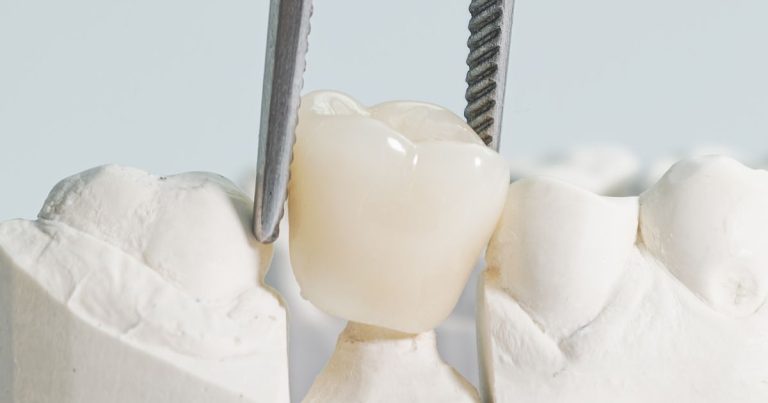
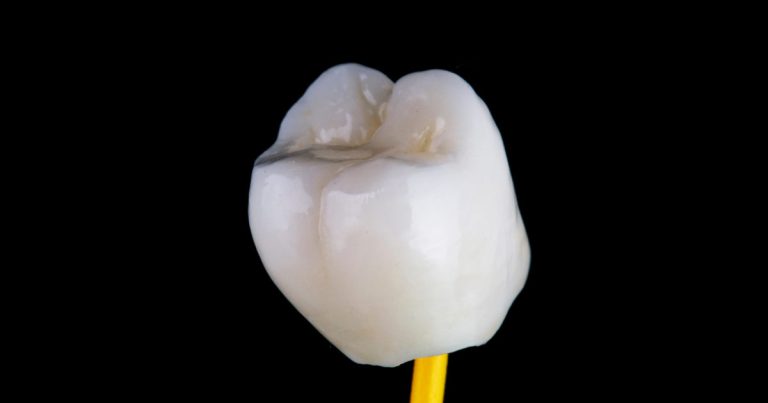
Many root canal-treated teeth need a crown, especially molars and premolars. A crown covers and protects the tooth, helping reduce the risk of fracture.
Some front teeth with minimal structural damage may not need a crown, but this depends on the tooth, bite, amount of remaining structure, esthetic concerns, and dentist’s judgment.
How Long Does a Root Canal Take?
Root canal treatment is often completed in one or two visits, but the timeline depends on the tooth and the case.
A front tooth may be simpler because it often has fewer canals. A molar usually has more canals and more complex anatomy. Retreatment, infection, drainage, calcified canals, curved roots, or cracked tooth concerns can add time.
The appointment itself may range from a relatively routine visit to a longer procedure. The total treatment timeline may include:
- Diagnostic exam and X-rays
- Root canal appointment
- Second root canal appointment if needed
- Core buildup or filling
- Crown preparation
- Temporary crown
- Final crown placement
- Follow-up evaluation if the tooth had infection around the root
This means the root canal portion and the full tooth-saving plan are not always completed on the same day.
One Visit vs Two Visits
Some root canals are completed in one appointment. Others are completed over two or more appointments. Both approaches can be appropriate.
A one-visit root canal may be possible when the tooth can be cleaned, dried, filled, and sealed predictably in one session.
A multiple-visit approach may be used when the case is complex, the tooth is draining, symptoms are severe, infection management requires staging, or the clinician wants to place medication inside the tooth before sealing the canals.
Patients should be cautious about marketing claims that imply every root canal can or should be completed in one visit. Same-day treatment can be convenient, but the right timeline depends on diagnosis and clinical findings.
Healing Time Is Different From Appointment Time
The appointment may be finished before the surrounding tissues are fully healed.
If there was inflammation or infection around the root tip, the bone and ligament around the tooth may take weeks or months to fully settle. Symptoms often improve much sooner, but X-ray healing can take longer.
This is one reason follow-up exams may be recommended.
Does a Root Canal Hurt?
Root canal treatment is intended to relieve pain, not cause it.
The tooth may hurt badly before treatment because the pulp is inflamed, infected, or under pressure. During the procedure, local anesthetic is used to numb the tooth. Most patients should feel pressure, movement, or vibration rather than sharp pain.
That said, it is better to be honest than to promise that every root canal is effortless. Some teeth are very inflamed. Some patients are anxious. Some patients have had difficult numbing experiences in the past. Some cases are long or technically complex.
A trustworthy expectation is this: modern root canal therapy is usually manageable with local anesthetic, and your dentist should work with you to keep you as comfortable as possible.
What You May Feel During Treatment
You may feel:
- Numbness in the lips, cheek, tongue, or surrounding area
- Pressure from the dental dam clamp
- Vibration from dental instruments
- Water or suction
- Jaw fatigue from keeping your mouth open
- Pressure or mild awareness, but not sharp pain
If you feel pain during the appointment, raise your hand or signal the dental team. Additional anesthetic or adjustments may be possible.
What About Sedation?
Patients with dental anxiety may be able to discuss sedation options. These may include nitrous oxide, oral sedation, or other approaches depending on the office, provider training, health history, and local regulations.
Sedation does not replace local anesthetic. It helps with anxiety and comfort, while local anesthetic numbs the tooth.
Why Does It Hurt Afterward If the Nerve Was Removed?
Post-treatment soreness is usually not the same as the original toothache.
After a root canal, the tissues around the root can be irritated from the infection, inflammation, instruments, bite pressure, or the procedure itself. The tooth may feel tender when chewing for a few days. This does not necessarily mean the root canal failed.
However, pain should generally improve. Severe pain, worsening swelling, a high bite, or return of the original symptoms should be discussed with the dentist.
Recovery and Aftercare
Recovery after a root canal varies, but many patients return to normal activities quickly. The exact instructions depend on the tooth, symptoms, medications, and whether the tooth has a temporary or final restoration.
Right After the Appointment
Your mouth may stay numb for a few hours. Avoid chewing until the numbness wears off so you do not bite your cheek, lip, or tongue.
If the tooth has a temporary filling or temporary crown, be careful chewing on that side. Temporary materials are not meant to provide the same long-term protection as the final restoration.
What Is Normal After a Root Canal?
Normal recovery may include:
- Mild soreness
- Tenderness when biting
- Jaw fatigue
- Sensitivity around the treated tooth
- A dull ache for a few days
- Soreness from the injection site
These symptoms should usually trend better, not worse.
Your dentist may recommend over-the-counter pain relievers or specific medication instructions based on your health history. Follow the instructions you are given, and do not take medications that are unsafe for you.
What Can You Eat After a Root Canal?
After numbness wears off, many patients do best with softer foods at first, especially if chewing is uncomfortable.
Examples may include:
- Soup that is not too hot
- Yogurt
- Eggs
- Pasta
- Soft rice
- Mashed potatoes
- Smoothies eaten carefully with a spoon
- Soft cooked vegetables
Avoid chewing hard, sticky, crunchy, or tough foods on the treated tooth until your dentist says it is safe, especially if the final crown or restoration has not been placed.
Can You Brush and Floss Normally?
In many cases, yes. You should keep the area clean unless your dentist gives you special instructions.
Brush gently. Floss carefully if the tooth has a temporary restoration, and ask your dentist whether you should pull the floss through instead of snapping it upward near the temporary.
Can You Go Back to Work or School?
Many people can return to work, school, or normal routines the same day or the next day. This depends on the length of the appointment, your symptoms, whether sedation was used, and how you feel afterward.
If you receive sedation, you may need someone to drive you home and may need to avoid work, driving, or important decisions for a period of time. Follow your dental office’s instructions.
Why the Crown or Final Restoration Matters So Much
A root canal cleans and seals the inside of the tooth. It does not automatically make the outside of the tooth strong again.
Many teeth that need root canals already have large cavities, cracks, old fillings, or missing tooth structure. The access opening made during treatment can also reduce tooth structure. After the canals are sealed, the tooth needs a restoration that protects it from leakage and fracture.
This is why your dentist may recommend a crown, especially for a back tooth.
Is the Crown Part of the Root Canal?
Usually, no.
The root canal procedure and the final crown or restoration are often separate parts of the treatment plan. They may also be billed separately. A patient may complete the root canal and still need a buildup, post, crown, or other restoration afterward.
This is one of the most important cost questions to ask before treatment.
Does Every Root Canal Tooth Need a Crown?
Not every root canal-treated tooth automatically needs a crown, but many do.
Back teeth usually handle heavy chewing forces. If a molar or premolar has had a root canal, large filling, crack, or major decay, a crown is often recommended to protect it.
Front teeth may sometimes be restored with a filling or other restoration if enough healthy tooth structure remains and the bite forces are favorable.
The decision depends on:
- Tooth location
- Amount of remaining tooth structure
- Size of the cavity or filling
- Whether the tooth is cracked
- Bite forces
- Grinding or clenching habits
- Cosmetic needs
- Prior crowns or restorations
- Long-term prognosis
A crown should not be described as an optional cosmetic upgrade when it is needed for protection. At the same time, it should not be described as universally required in every single case.
What Happens If You Delay the Final Restoration?
Delaying the final restoration can put the tooth at risk.
Possible problems include:
- Temporary filling leakage
- Bacteria re-entering the tooth
- Tooth fracture
- Loss of the temporary restoration
- New decay
- Need for retreatment
- Extraction if the tooth breaks badly
Studies have linked delayed or inadequate restoration after root canal therapy with poorer long-term survival, especially for posterior teeth.
Benefits of Root Canal Therapy
The main benefit of root canal therapy is that it may allow you to keep a natural tooth that would otherwise be lost.
Potential benefits include:
- Relief from pulpal pain
- Treatment of infection inside the tooth
- Preservation of the natural root and tooth structure
- Improved chewing comfort
- Avoiding a gap from extraction
- Maintaining bite stability
- Reducing the need for more complex tooth replacement
- Keeping your natural smile when the tooth can be restored
Root canal therapy is not a guarantee that a tooth will last forever. No dental treatment can promise that. But for many restorable teeth, it is a reliable way to treat diseased pulp and preserve function.
Risks, Downsides, and Limitations
Root canal therapy is a valuable treatment, but it has limits.
Short-Term Downsides
Short-term issues may include:
- Time in the dental chair
- Local anesthetic injection
- Jaw soreness
- Post-treatment tenderness
- Temporary chewing restrictions
- Need for follow-up restoration
- Medication considerations
- Out-of-pocket cost
Some patients may also experience a flare-up, which is a period of significant pain or swelling after treatment. This does not happen to everyone, and it does not automatically mean the tooth cannot be saved, but it should be reported to the dentist.
Why Root Canals Can Fail
A root canal-treated tooth can fail or become re-infected for several reasons, including:
- Missed canals
- Complex canal anatomy
- Incomplete cleaning or sealing
- Bacteria leaking through a restoration
- Delayed crown or final restoration
- New decay
- A cracked root
- A loose crown or filling
- Periodontal disease
- A bite problem or heavy grinding forces
Some failures are discovered because symptoms return. Others are found on X-rays during follow-up or routine exams.
The Tooth Structure May Be the Bigger Issue
Sometimes the root canal itself is not the only concern. The tooth may already be structurally weak because of decay, cracks, old fillings, or missing tooth structure.
A technically good root canal cannot save a tooth that later splits vertically or cannot be restored. This is why dentists discuss crowns, buildups, posts, bite guards, or extraction alternatives.
When a Root Canal May Not Be the Best Choice
Root canal therapy may not be recommended if:
- The tooth has a vertical root fracture
- There is not enough tooth structure to restore
- Decay extends too far below the gumline
- Periodontal support is too poor
- The tooth has severe mobility
- The crack extends too deeply
- The cost and prognosis do not make sense for the patient’s goals
- The patient prefers extraction after understanding the tradeoffs
A tooth can need root canal treatment and still not be a good candidate for saving. That can be frustrating, but it is an important part of honest treatment planning.
Failed Root Canal and Retreatment
A previously treated tooth can sometimes develop new symptoms or show signs of infection. This may happen months or years after the original treatment.
Possible signs include:
- Pain when chewing
- Swelling near the tooth
- A pimple-like bump on the gum
- Bad taste or drainage
- Tenderness to tapping
- A loose crown or filling
- A new dark area around the root on an X-ray
- No symptoms, but an X-ray finding during an exam
A “failed root canal” does not always mean the tooth must be pulled. Depending on the cause and the tooth’s restorability, options may include monitoring, retreatment, endodontic surgery, or extraction.
What Is Root Canal Retreatment?
Retreatment means re-opening the tooth, removing the old root canal filling material, cleaning the canals again, addressing missed anatomy or leakage if possible, and resealing the tooth.
Retreatment is more complex than first-time treatment. It may require removing a crown, post, or filling. It may also require an endodontist.
What Is an Apicoectomy?
An apicoectomy is a surgical endodontic procedure that treats infection near the tip of the root. It may be considered when a tooth has already had root canal treatment and nonsurgical retreatment is not possible or is unlikely to solve the problem.
During an apicoectomy, the endodontist accesses the root tip through the gum and bone, removes the infected tissue and root-end portion, and seals the end of the root.
This is not needed for most root canal patients, but it can be an option in selected cases.
Root Canal vs Extraction
When a tooth is badly damaged or infected, patients often ask whether they should save it with a root canal or have it pulled.
There is no universal answer. The best choice depends on the tooth, your oral health, your budget, your timeline, your medical history, your bite, your goals, and the long-term treatment plan.
Root Canal Treatment
Root canal therapy may be preferred when the tooth is restorable and has reasonable long-term support.
Advantages may include:
- Keeping your natural tooth
- Maintaining natural chewing function
- Avoiding a gap
- Avoiding surgery to remove the tooth
- Potentially reducing the need for tooth replacement
- Maintaining bone stimulation through the natural tooth root
Tradeoffs may include:
- Higher upfront cost than simple extraction
- Need for a crown or final restoration
- Possibility of retreatment or failure
- Need for ongoing maintenance
- Not appropriate for every cracked or weakened tooth
Extraction
Extraction removes the tooth. It may be necessary if the tooth cannot be predictably saved.
Advantages may include:
- Removing the infected or painful tooth
- Shorter immediate procedure in some cases
- Appropriate for nonrestorable teeth
- May be lower upfront cost than saving the tooth
Tradeoffs may include:
- A missing tooth space
- Changes in chewing
- Possible shifting of neighboring teeth
- Bone changes over time
- Need for replacement if function or appearance matters
- Additional costs if replaced with an implant, bridge, or partial denture
Extraction is not “bad.” It is sometimes the right treatment. The key is to compare the full picture, not just the first appointment or first fee.
Root Canal vs Dental Implant
Patients are often told that implants are the best way to replace missing teeth. Dental implants can be excellent in the right situation, but they are not automatically better than saving a restorable natural tooth.
A root canal preserves the tooth you already have. An implant replaces a tooth after extraction.
A dental implant may be appropriate when:
- The tooth cannot be restored
- The tooth has a vertical root fracture
- The tooth has severe structural damage
- The tooth has hopeless periodontal support
- Prior treatment options have poor prognosis
- The patient prefers replacement after reviewing options
A root canal may be appropriate when:
- The tooth is restorable
- The periodontal support is reasonable
- The crack risk is manageable
- The patient wants to preserve the natural tooth
- The final restoration can be completed properly
- The cost, timeline, and prognosis make sense
Neither option should be sold as universally superior. Both require diagnosis, planning, maintenance, and realistic expectations.
Root Canal vs Bridge or No Replacement
If a tooth is extracted, one option is a dental bridge. A bridge replaces a missing tooth by using neighboring teeth for support. This can work well in many situations, but it may require reshaping adjacent teeth.
Another option is leaving the space unreplaced. This may be reasonable in selected cases, especially for some back teeth, but it can also lead to shifting, bite changes, chewing difficulty, or cosmetic concerns depending on the tooth.
Before choosing extraction without replacement, ask how the missing tooth could affect:
- Chewing
- Speech
- Appearance
- Bite balance
- Neighboring teeth
- Opposing teeth
- Future treatment options
Can Antibiotics Replace a Root Canal?
In most cases, antibiotics cannot fix the source of a root canal problem.
If the pulp inside the tooth is infected or dead, the problem is inside a space that antibiotics do not reliably clean out. Antibiotics may reduce spreading infection or help manage certain urgent situations, but they usually do not replace definitive dental treatment.
Definitive treatment may involve root canal therapy, drainage, extraction, or another procedure depending on the diagnosis.
For many immunocompetent adults with pulpal or periapical dental pain without systemic involvement, antibiotics are not routinely recommended as the main treatment.
This is important because patients often hope for “just an antibiotic” to avoid dental work. In some cases, antibiotics are appropriate. In many others, they may delay the treatment that actually solves the problem.
What Happens If You Delay Treatment?
Delaying treatment can change your options.
A tooth that might be restorable today may become harder to save if decay spreads, the tooth cracks further, infection expands, or swelling develops. Delay can also lead to more pain, emergency visits, time off work or school, and more complex treatment.
Possible consequences of delay include:
- Worsening toothache
- Increased swelling
- Abscess formation
- Bone loss around the root
- Spread of infection
- Tooth fracture
- Need for extraction
- More expensive treatment later
This does not mean every toothache is an emergency or that every patient needs immediate root canal therapy. It means persistent, severe, or worsening symptoms should be evaluated promptly.
Cost and Insurance
Root canal cost can be confusing because the root canal procedure is often only one part of the total cost to save the tooth.
The total treatment plan may include:
- Exam
- X-rays
- CBCT imaging if needed
- Emergency visit
- Root canal procedure
- Medication if prescribed
- Core buildup
- Post, if needed
- Temporary crown
- Final crown
- Follow-up visits
- Retreatment or surgery in complex cases
The root canal fee itself may vary by tooth type. Front teeth often have fewer canals. Molars usually have more canals and can be more complex.
What Affects Root Canal Cost?
Cost may depend on:
- Whether the tooth is front, premolar, or molar
- Number of canals
- Canal shape and complexity
- Whether it is first-time treatment or retreatment
- Whether a general dentist or endodontist performs treatment
- Whether emergency care is needed
- Whether CBCT imaging is used
- Whether a crown is needed
- Whether a post or buildup is needed
- Insurance network status
- Geographic area
- Dental plan limitations
Is the Crown Included in the Root Canal Price?
Often, no.
Many patients are surprised to learn that the crown or final restoration may be billed separately from the root canal. Before treatment, ask for an estimate that includes the full plan, not just the endodontic procedure.
A helpful question is not only, “How much is the root canal?” but, “How much will it cost to save and properly restore this tooth?”
Does Insurance Cover Root Canals?
Many dental insurance plans provide some coverage for root canal therapy, but coverage varies widely.
Your cost may depend on:
- Deductible
- Annual maximum
- Waiting periods
- Plan category
- Network status
- Tooth number
- Whether retreatment is covered
- Whether the crown is covered
- Frequency limitations
- Missing tooth clauses or replacement rules
- Whether prior authorization or a pre-treatment estimate is needed
Ask your dental office and insurance company whether the estimate includes the exam, imaging, root canal, buildup, post, crown, and any specialist fees.
Special Situations
Root canal treatment is not identical for every patient. Age, pregnancy, medical history, tooth development, gum health, anxiety, and tooth structure can all affect planning.
Pregnancy and Root Canal Treatment
Dental problems do not automatically wait until pregnancy is over. Untreated infection and severe pain can create stress and health concerns.
Necessary dental care, including emergency dental treatment, local anesthetic, and needed dental X-rays with appropriate precautions, is generally considered safe during pregnancy. [EXTERNAL SOURCE NEEDED: ADA and ACOG guidance on oral health care during pregnancy]
Pregnant patients should tell the dentist they are pregnant and provide information about medications, trimester, medical conditions, and obstetric guidance. In some cases, the dentist may coordinate with the patient’s obstetric clinician.
The key message is that urgent dental infections should not be ignored simply because a patient is pregnant.
Children and Teens
Children and teens can need treatment for damaged or infected pulp, but the options may differ from adult root canal therapy.
Baby teeth may be treated with different pulp procedures than permanent teeth. Immature permanent teeth may require special approaches because the roots are still developing. Depending on the tooth, diagnosis, and age, treatment options may include pulpotomy, pulpectomy, apexification, regenerative endodontic procedures, or full root canal therapy.
Parents should ask whether the tooth is a baby tooth or permanent tooth, whether the root is fully formed, and how treatment affects the child’s long-term dental development.
Diabetes and Medical Conditions
Medical history matters in dental treatment planning.
Patients with diabetes, immune system concerns, heart conditions, medication considerations, or healing concerns should tell the dentist before treatment. Diabetes may be associated with healing differences and endodontic outcome considerations, but the evidence should be discussed carefully rather than oversimplified.
A dentist may consider medical stability, blood sugar control, infection severity, medications, and coordination with a physician when appropriate.
Gum Disease
Gum disease can affect the support around a tooth. A tooth may have both an endodontic problem and a periodontal problem.
If the bone and gum support are severely compromised, root canal therapy may not provide a good long-term result even if the inside of the tooth can be treated. This is why periodontal probing and overall prognosis matter.
Bruxism and Cracked Teeth
Patients who grind or clench their teeth may place heavy forces on teeth and restorations. If a root canal-treated tooth already has cracks or large restorations, the dentist may recommend a crown, bite adjustment, or nightguard.
A nightguard does not guarantee that a tooth will not crack, but it may help reduce damaging forces for some patients.
Dental Anxiety
Root canal anxiety is common. Some patients delay care because they are embarrassed, afraid of pain, or worried they will be judged.
A good dental team should want to know if you are nervous. They may be able to explain each step, provide breaks, use additional numbing techniques, offer nitrous oxide, discuss sedation options, or refer you to an endodontist experienced with complex or anxious patients.
Avoiding care because of fear can make the problem harder to treat later. If anxiety is the barrier, tell the office when you schedule.
Common Misconceptions About Root Canals
Root canals are surrounded by myths. Clearing them up can help patients make calmer decisions.
Myth: A Root Canal Is More Painful Than the Toothache
The toothache is often the painful part. Root canal therapy is meant to remove the inflamed or infected pulp tissue causing the problem.
Patients may have soreness afterward, but the procedure itself is performed with local anesthetic.
Myth: Root Canals Remove the Roots of the Tooth
A standard root canal does not remove the tooth roots. It removes diseased pulp tissue from inside the root canals. The tooth remains in place.
Myth: No Pain Means No Problem
A tooth can need treatment even without pain. If the pulp has died, the tooth may stop hurting while infection remains around the root.
Myth: Antibiotics Can Cure the Tooth
Antibiotics may be needed in some dental infections, especially with spreading infection or systemic symptoms, but they usually do not clean out infected pulp tissue inside the tooth. Definitive dental treatment is usually needed.
Myth: It Is Always Better to Pull the Tooth
Extraction is sometimes the right choice, especially if the tooth cannot be restored. But if the tooth is restorable, saving it may help preserve chewing function and avoid more complex replacement treatment.
Myth: Root Canals Cause Systemic Illness
Claims that root canal-treated teeth cause cancer or widespread systemic disease are not supported by valid modern scientific evidence. Because this myth is common online and can influence patient decisions, it should be backed by a clear source in the published article.
Myth: A Crown Is Just an Upsell
A crown may be essential for protecting a root canal-treated tooth, especially a back tooth with major structural loss. The crown is not always required in every case, but when it is recommended for protection, delaying it can increase the risk of fracture or leakage.
When Should You Call a Dentist After a Root Canal?
Some soreness after treatment can be normal. However, certain symptoms should prompt a call.
Contact your dentist if:
- Pain is severe or worsening
- Pressure lasts more than a few days
- Swelling appears or increases
- The bite feels high or uneven
- The temporary filling or crown comes out
- You develop a rash or reaction to medication
- Drainage or bad taste returns
- The original symptoms come back
- You cannot chew because pain is getting worse
Call promptly if you are unsure. It is better to ask than to wait through a problem that may be easy to correct, such as a high bite.
When Is It Urgent?
Seek urgent dental care for:
- Visible swelling inside or outside the mouth
- Severe tooth pain with swelling
- Fever or feeling very ill
- Rapidly spreading facial swelling
- Trouble opening your mouth
- Trouble swallowing
- Trouble breathing
If you have difficulty breathing, trouble swallowing, or rapidly spreading swelling, seek urgent medical care immediately.
Questions to Ask Your Dentist Before a Root Canal
Patients often feel more confident when they know what to ask.
Consider asking:
- What is the diagnosis?
- Is the pulp inflamed, infected, or dead?
- Is there an abscess?
- Can you show me the X-ray findings?
- Is the tooth restorable?
- Is there a crack?
- How much tooth structure is left?
- Do I need a crown afterward?
- Will the crown be done by you or another dentist?
- Is the crown included in the estimate?
- How many visits do you expect?
- Is this a straightforward case or a complex case?
- Should I see an endodontist?
- What happens if I wait?
- What are my alternatives?
- What are the risks of extraction?
- What would replacement involve if the tooth is removed?
- What is the total estimated cost to save the tooth?
- Will my insurance cover any part of it?
- Do I need a pre-treatment estimate?
- What should I expect after the appointment?
- Who should I call if pain or swelling gets worse?
These questions can help turn a stressful recommendation into a clearer decision.
How to Choose a Dentist or Endodontist for Root Canal Therapy
Choosing a provider depends on the tooth, case complexity, your comfort level, and the treatment plan.
A general dentist may be a good choice for many routine root canals. An endodontist may be recommended when the tooth is complex or the diagnosis is uncertain.
Consider asking about:
- Experience with the type of tooth being treated
- Whether the case is routine or complex
- Use of dental dam isolation
- Whether magnification or advanced imaging is needed
- How the final restoration will be handled
- Whether the office can manage dental anxiety
- Whether referral is recommended
- How emergencies after treatment are handled
- How fees and insurance estimates are explained
For molars, retreatment, cracked teeth, calcified canals, or persistent infection, an endodontist may offer additional specialty experience.
Final Thoughts
A root canal is not something most patients look forward to, but it is often less frightening than the pain, infection, and uncertainty that come before it.
Root canal therapy treats the inside of a tooth when the pulp is severely inflamed, infected, or dead. It can relieve pain, treat infection, and help preserve a natural tooth when the tooth can still be restored. The procedure is usually performed with local anesthetic, and many patients find it more manageable than they expected.
The most important decisions are not only whether a root canal is needed, but whether the tooth is restorable, how it will be protected afterward, what alternatives exist, and what the full treatment plan will cost.
If you have lingering tooth pain, swelling, biting pain, a cracked tooth, or a dentist has told you that a tooth may need root canal therapy, schedule an evaluation. A dental professional can review your symptoms, take appropriate imaging, test the tooth, and help you decide whether root canal treatment, another procedure, or extraction is the best option for your situation.