What Is Restorative Dentistry?
Restorative dentistry is the branch of dentistry focused on repairing or replacing damaged, decayed, or missing teeth to bring back normal function and appearance. It includes treatments like fillings, crowns, bridges, dentures, and implants – all aimed at rebuilding your teeth so you can chew, bite, and speak comfortably again. The goal is to fix issues such as cavities, cracks, or tooth loss, relieve pain, and prevent small problems from becoming bigger ones.
Common Restorative Dental Procedures
Restorative dentistry covers a wide range of treatments – from simple repairs to extensive reconstructions. Below are some of the most common restorative dental procedures, each briefly explained:
Dental Fillings
A simple treatment to fix cavities (small holes caused by tooth decay). The dentist removes the decayed area and fills it with a durable material (often a tooth-colored composite) to restore the tooth’s shape and strength. Learn more about dental fillings →
Inlays & Onlays
Custom-made restorations for larger cavities or cracks that are too big for a regular filling but not large enough for a full crown. Inlays and onlays (sometimes called “partial crowns”) are fabricated in a lab and then bonded into the damaged tooth, strengthening it. Learn more about inlays and onlays →
Dental Bonding
A quick procedure to repair minor chips, cracks, or gaps using tooth-colored resin. The dentist applies a putty-like resin to the area and hardens it with a special light, bonding it to the tooth. This restores the tooth’s appearance (and a bit of its strength) in one visit. Learn more about dental bonding →
Dental Crowns
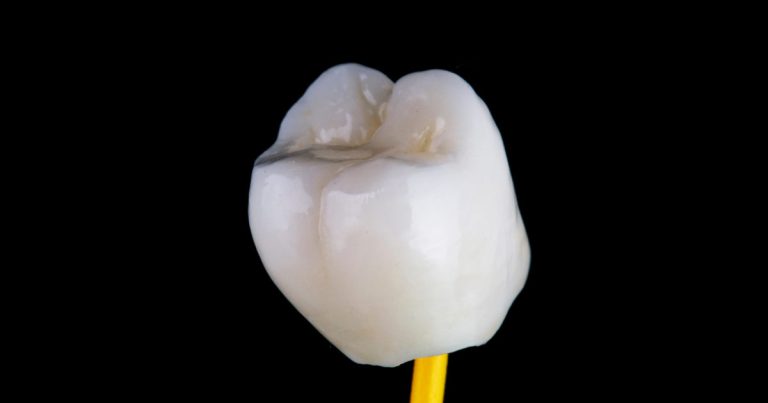
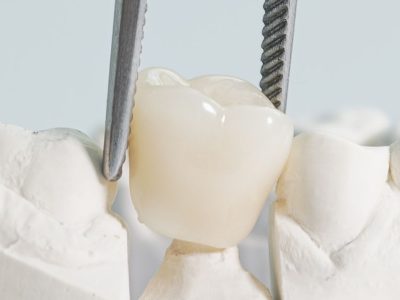
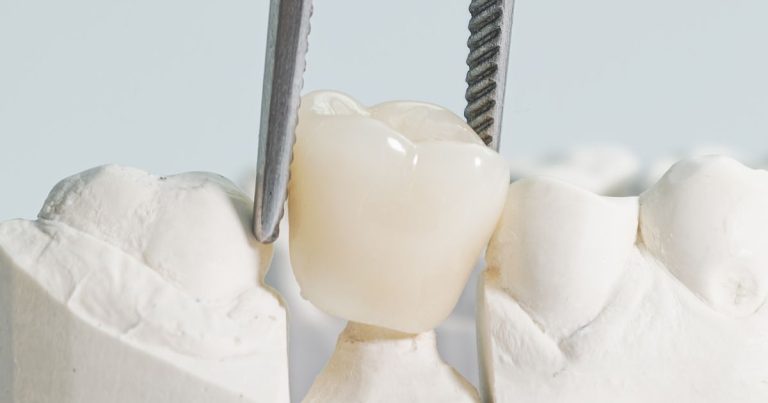
Often called caps, crowns are tooth-shaped covers that encase the entire visible part of a damaged tooth. A crown is placed after a large cavity, root canal, or fracture to restore the tooth’s strength, shape, and appearance. It protects the remaining tooth structure and blends in with your natural teeth. Learn more about dental crowns →
Dental Implants
A modern solution for missing teeth. An implant is a small metal post surgically placed into the jawbone to act as an artificial tooth root. After it fuses with the bone, a lifelike artificial tooth (crown) is attached. Implants look and function almost like natural teeth. Learn more about dental implants →
Dentures & Partials
Removable appliances for replacing multiple missing teeth. Full dentures replace all the teeth in the upper or lower jaw (resting on the gums), while partial dentures replace a few missing teeth and clasp onto remaining teeth. Dentures restore your ability to chew and speak when many teeth are lost, and today’s versions are more comfortable and natural-looking than ever. Learn more about dentures and partials →
Dental Bridges
A fixed option to replace one or a few missing teeth in a row. A bridge uses the teeth on either side of a gap (or implants) as anchors, and a false tooth is attached between them to “bridge” the space. Bridges restore your bite and prevent neighboring teeth from shifting out of place. Learn more about dental bridges →
Full-Mouth Reconstruction
A comprehensive plan that combines multiple restorative procedures to rebuild or replace most or all of the teeth in your mouth. This is typically for patients with severe dental issues or many damaged teeth. Full mouth reconstruction might involve crowns, implants, bridges, dentures, and other treatments to fully restore function and appearance. Learn more about full mouth reconstruction →
Benefits of Restorative Dentistry
Why is restorative dentistry so important? Repairing and replacing teeth isn’t just about looks – it directly affects your oral health and daily well-being. Key benefits of restorative dental treatments include:
- Restored Function and Comfort: Treatments like fillings, crowns, or implants bring back your ability to chew properly and speak clearly without pain. By fixing damaged teeth, you can enjoy your favorite foods again and bite with confidence.
- Prevention of Further Problems: Addressing issues early (for example, filling a cavity or capping a cracked tooth) prevents more serious problems down the line. A timely restoration can stop decay or cracks from worsening, helping you avoid infections, abscesses, or even tooth loss later on.
- Preservation of Jaw and Facial Structure: Replacing missing teeth is crucial for your jaw health. Procedures like implants and bridges keep adjacent teeth from shifting and help maintain the natural shape of your face and jaw. For instance, a dental implant stimulates and preserves the jawbone, preventing bone loss that would occur if a gap is left unfilled.
- Improved Aesthetics and Confidence: Restorative dentistry also improves the appearance of your smile. Modern restorations use natural-looking materials (tooth-colored fillings, ceramic crowns, etc.), so repaired teeth look healthy and blend in. Fixing a broken or missing tooth can greatly boost your confidence and allow you to smile freely again.
In short, restorative dentistry improves oral function, protects your health, and enhances your smile – leading to better overall quality of life.
When Do You Need Restorative Dentistry?
You might wonder when it’s time to see a dentist for a restorative procedure. In general, if you have any kind of tooth damage or missing teeth, restorative dentistry can help. Common situations where you’d likely need a restorative treatment include:
- Cavities (Tooth Decay): If you have a cavity – a hole in a tooth from decay – you’ll need a filling (or similar restoration) to remove the decay and restore the tooth. It’s best to fix cavities promptly, even if they don’t hurt yet, to keep them from getting worse.
- Cracked or Chipped Teeth: An accident or biting something hard can crack or chip a tooth. Even a small crack can grow, and a broken tooth is prone to infection. Restorative options like bonding, crowns, or onlays can repair the damage, relieve pain or sensitivity, and protect the tooth from further breakage.
- Missing Teeth: Whenever you lose a tooth – due to decay, gum disease, or injury – it’s important to replace it. A gap in your smile can make it harder to chew or speak and may cause other teeth to shift. Restorative solutions for missing teeth include dental implants, bridges, or dentures, which fill the space and restore a complete, functional bite.
- Tooth Pain or Infection: Persistent tooth pain or an abscess (infection) in a tooth are signs you may need a procedure like a root canal (to remove infected tissue) often followed by a crown. This type of restorative treatment can save a tooth in danger, eliminate pain, and prevent the infection from spreading.
- Worn or Broken Dental Work: Fillings, crowns, and other dental work can wear out over time. If an old filling cracks or a crown comes loose, the tooth underneath is exposed and at risk. Restorative dentistry also covers replacing old restorations with new ones to keep your teeth protected and functional.
In all these cases, seeing a dentist promptly is key. The sooner a problem tooth is repaired, the more of your natural tooth structure can be preserved – and the less complex (and costly) the solution usually is. If you’re unsure whether you need restorative work, a dentist can examine your teeth and let you know the best course of action.
Restorative vs. Cosmetic Dentistry
It’s easy to confuse restorative dentistry with cosmetic dentistry because there is some overlap, but they have different goals:
- Restorative dentistry involves treatments that are necessary to fix dental health issues – for example, filling a cavity, repairing a cracked tooth, or replacing a missing tooth. The main goal is to restore function and oral health.
- Cosmetic dentistry involves treatments that are elective and focused on appearance – for example, whitening stained teeth or getting veneers on healthy teeth to enhance your smile. The goal is purely aesthetic improvement rather than fixing a functional problem.
There are cases where a procedure can be both (for instance, a crown restores a damaged tooth and also looks great, or an implant fills a gap and improves your smile). However, the key difference is why it’s done: restorative work fixes something that is wrong or missing, while cosmetic work is done by choice for looks. (If you’re curious about cosmetic procedures, see our Cosmetic Dentistry section for more information on those treatments.)
Frequently Asked Questions (FAQ)
Below are answers to some common questions about restorative dentistry:
Is restorative dentistry painful?
Dentists use local anesthesia to numb your tooth and the surrounding area during restorative procedures, so you shouldn’t feel pain while the work is being done (you might only sense some pressure or vibration). After the procedure, there may be minor soreness or sensitivity for a short time, but it’s usually mild and goes away as you heal. Modern restorative techniques are designed to make the experience as comfortable as possible.
Do dental insurance plans cover restorative procedures?
In most cases, yes. Dental insurance typically covers a significant portion of restorative treatments because they are considered medically necessary for oral health. Procedures like fillings, root canals, and crowns are often partially covered (for example, an insurance plan might pay 50%–80% of the cost). The exact coverage depends on your plan, so check your policy or ask your dental office to help clarify your benefits. Keep in mind you may have an annual maximum or deductible that applies.
How long do restorative dental treatments take?
It depends on the procedure. Many simple restorations are quick – for example, a typical filling can be done in under an hour during one visit. Getting a crown usually involves two short appointments about 1–2 weeks apart (one to prepare the tooth and one to place the finished crown). More complex treatments like dental implants take longer: an implant is placed in one visit, but then it needs a few months to heal before the replacement tooth is attached. Your dentist will explain the timeline for your specific treatment, but in general, small fixes are done in one day, while bigger procedures can span multiple visits over time.
How long will my tooth restoration last?
Most modern dental restorations are quite durable, but their lifespan can vary. A small filling might last around 5–10 years before it needs replacement, whereas a well-made crown can often last 10–15 years or more. Dental implants are very long-lasting – the implant itself can last decades (often a lifetime) if cared for, though the crown on top might eventually need replacing after many years. To help your restorations last as long as possible, maintain good oral hygiene (brushing, flossing) and regular checkups. Avoiding habits like chewing ice or grinding your teeth can also prevent premature wear. In short, restorations can last many years, and some (like implants) can potentially last a lifetime with proper care.
What is the best option to replace a missing tooth?
The three main options to replace a missing tooth are a dental implant, a dental bridge, or a removable partial denture. Each has pros and cons:
- A dental implant is a permanent solution that doesn’t involve other teeth and feels very much like a natural tooth. It does require a minor surgical procedure and a few months of healing time, but it offers excellent long-term results.
- A bridge is a non-surgical option that uses the adjacent teeth for support. It can be completed faster than an implant (since there’s no healing period), but it requires crowning the neighboring teeth to hold the bridge.
- A partial denture is a removable appliance that clips onto your remaining teeth. It’s typically the most affordable option and can replace multiple teeth at once, but it may not feel as fixed or natural as an implant or bridge.
There’s no one-size-fits-all – your dentist will help you choose the solution that works best for your needs.
Can children have restorative dentistry procedures?
Yes. Children sometimes need restorative dental work too. For example, if a child has a cavity in a baby tooth, the dentist might do a filling or place a small stainless steel crown (if the cavity is large) to save the tooth. Treating baby teeth is important – it prevents pain and infection and ensures the tooth stays in place to guide the adult tooth in later. Pediatric dentists use gentle techniques to help kids through these procedures comfortably.
Is teeth whitening considered restorative dentistry?
No. Teeth whitening is a cosmetic procedure, not a restorative one. Whitening makes your teeth look brighter but doesn’t repair any damage or improve tooth function. If a tooth is discolored due to an issue like decay or trauma, a restorative treatment (such as a filling, veneer, or crown) would be needed to fix the underlying problem and restore the tooth’s appearance. Whitening is only intended to enhance the color of healthy, intact teeth.
My tooth doesn’t hurt – do I really need a filling or crown?
Yes – you shouldn’t wait until a tooth hurts to fix it. Cavities and small cracks can progress without causing pain at first, but they will get worse over time. By the time you feel a toothache, the damage may be much more severe (and the treatment needed more extensive). Dentists can spot problems early during exams or X-rays, and treating them promptly – even if you have no pain yet – will prevent bigger complications later. In short, it’s wise to repair a tooth when your dentist recommends it, even if it’s not hurting.
Are dental implants part of restorative dentistry?
Yes – a dental implant replaces a missing tooth to restore your mouth’s function and health, so it is a restorative procedure (even though it also improves your smile aesthetically).
How should I care for my teeth after a restorative procedure?
Treat restored teeth just like your natural teeth when it comes to daily care. Brush twice a day and floss once a day, being thorough around the edges of any crowns, bridges, or implants. Follow any special instructions your dentist gives for your specific restoration (for example, cleaning a denture properly or using a mouthguard if you have a habit of grinding your teeth). And continue with regular dental checkups, so your dentist can ensure your restorations stay in good shape. With proper home care and routine dental visits, your restorations can last for many years.
Conclusion
Restorative dentistry plays a vital role in keeping your mouth healthy and functional. By addressing dental problems – whether it’s filling a cavity or replacing a missing tooth – restorative treatments help you maintain a strong bite, prevent future issues, and smile with confidence. If you have a tooth that’s damaged or missing (or any oral health issue that concerns you), don’t hesitate to visit a dentist and explore your restorative options.
This page has provided an overview of what restorative dentistry involves and how it can benefit you. For more details on specific procedures, feel free to explore our in-depth articles on treatments like fillings, crowns, implants, and dentures (see the links above). You can also use our site to find a qualified restorative dentist near you. With the right care, you’ll be on your way to a healthier smile and improved dental well-being!