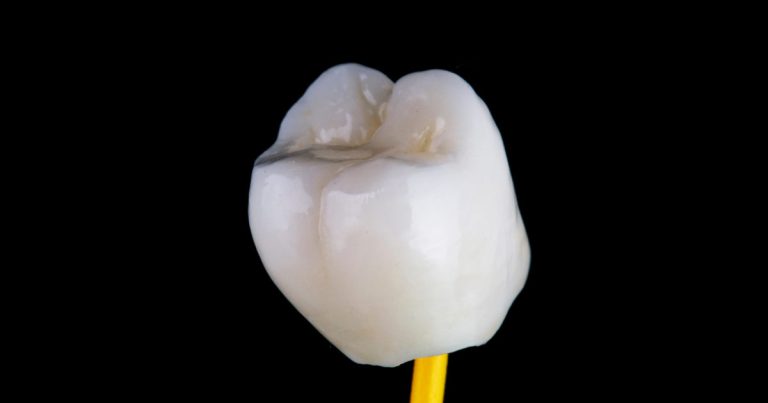
Dental Bonding

WHAT IS DENTAL BONDING?

When it comes to improving the look of your teeth, bonding is the easiest and least expensive procedure. Bonding is used when one of your teeth has been chipped, fractured, experienced decay, or is discolored. It can also be used to fill in gaps between your teeth.

TOOTH BONDING PROCEDURE

The procedure for tooth bonding is very simple and you will likely not need any kind of anesthesia for this procedure.

  • Step 1: Preparing the Tooth
    The tooth that is getting the bonding will be roughened so that the resin can adhere to the tooth. This will be done with a dental tool that acts as a small sander. If the tooth is sensitive your dentist may numb it prior to working on the tooth.  While the tooth is being prepared, the resin will be created to match the color of your natural teeth.
  • Step 2: Applying the Resin
    The resin is applied to the tooth and is sculpted to fix the problem. This includes shaping the tooth, filling in cracks, chips, or covering the tooth due to discoloration.
  • Step 3: Keeping the Resin in Place
    Once the tooth has been fixed, the dentist will use a special light on the resin to harden the material and keep it in place.
  • Step 4: Adjustments
    After the resin has hardened on your tooth, the dentist will make any necessary adjustments, like polishing, shaping, or trimming till the tooth is perfect.
    Bonding is an easy procedure that your dentist may recommend to keep your teeth healthy. In most cases, you will only need one visit for your procedure and the procedure is quite painless. It is important to remember that this information gives you a general overview of the bonding procedure. For the most accurate overview of your procedure, consult with your dentist.

Related Post

Ceramic Braces
Ceramic Braces

Ceramic Braces

What Are Ceramic Braces? Ceramic braces are a type of orthodontic appliance used to straighten teeth. They work much like traditional braces but use brackets made from clear or tooth-colored ceramic (porcelain) instead of metal. An archwire threaded through these brackets applies gentle, constant pressure to shift teeth into the desired position over time. Because the brackets and often the ties are designed to blend with your enamel, ceramic braces are sometimes called “clear braces” or “tooth-colored braces” – they are far less noticeable than shiny metal brackets. They can treat a wide range of alignment issues (crooked teeth,

Read More »
Orthodontic Retainers
Retainers

Retainers

What Are Orthodontic Retainers? Orthodontic retainers are custom-made devices designed to hold your teeth in their new positions after braces or clear aligners. When your orthodontic treatment is finished and the braces come off (or you finish your aligner series), a retainer is made specifically for your mouth. It fits snugly over or behind your teeth to keep them aligned. In essence, retainers ensure that all the hard work of straightening your teeth isn’t undone – they “retain” your smile’s new alignment. Retainers can be made of plastic, acrylic, and/or thin metal wires, depending on the type. Each retainer

Read More »
VELscope-oral-cancer-detection
VELscope

VELscope for Oral Cancer Detection

Oral cancer screening is a routine (and important) part of most dental checkups. In addition to the standard visual and tactile exam under white light, some dental offices use light-based technology such as VELscope to help identify tissue changes that may not be obvious to the naked eye. VELscope is not a substitute for a dentist’s exam or a biopsy—it’s considered an adjunctive tool that can help the dentist decide whether an area needs closer evaluation or referral.   Key takeaways VELscope uses blue light to make healthy vs. suspicious oral tissue look different by highlighting changes in natural

Read More »

Related Post

Ceramic Braces
Ceramic Braces
cem

Ceramic Braces

What Are Ceramic Braces? Ceramic braces are a type of orthodontic appliance used to straighten teeth. They work much like traditional braces but use brackets made from clear or tooth-colored ceramic (porcelain) instead of metal. An archwire threaded through these brackets applies gentle, constant pressure to shift teeth into the desired position over time. Because the brackets and often the ties are designed to blend with your enamel, ceramic braces are sometimes called “clear braces” or “tooth-colored braces” – they are far less noticeable than shiny metal brackets. They can treat a wide range of alignment issues (crooked teeth,

Read More »
Orthodontic Retainers
Retainers
cem

Retainers

What Are Orthodontic Retainers? Orthodontic retainers are custom-made devices designed to hold your teeth in their new positions after braces or clear aligners. When your orthodontic treatment is finished and the braces come off (or you finish your aligner series), a retainer is made specifically for your mouth. It fits snugly over or behind your teeth to keep them aligned. In essence, retainers ensure that all the hard work of straightening your teeth isn’t undone – they “retain” your smile’s new alignment. Retainers can be made of plastic, acrylic, and/or thin metal wires, depending on the type. Each retainer

Read More »
VELscope-oral-cancer-detection
VELscope
cem

VELscope for Oral Cancer Detection

Oral cancer screening is a routine (and important) part of most dental checkups. In addition to the standard visual and tactile exam under white light, some dental offices use light-based technology such as VELscope to help identify tissue changes that may not be obvious to the naked eye. VELscope is not a substitute for a dentist’s exam or a biopsy—it’s considered an adjunctive tool that can help the dentist decide whether an area needs closer evaluation or referral.   Key takeaways VELscope uses blue light to make healthy vs. suspicious oral tissue look different by highlighting changes in natural

Read More »
Skip to content