
Endodontics

What Topic Are You Looking For?

Endodontics: Understanding Root Canal Treatment & Pulp Health

Endodontics is the dental specialty focused on the inner tissues of the tooth—specifically the pulp, nerves, and root canal system. When the pulp becomes inflamed, infected, or damaged, endodontists use advanced techniques to relieve pain, eliminate infection, preserve natural teeth, and restore long-term oral health.

While many people associate endodontics with “root canals,” the field includes a wide range of procedures that help save teeth that might otherwise need to be extracted. Modern endodontic techniques are highly effective, comfortable, and designed to keep your natural teeth functional for many years.

What Do Endodontists Treat?

Endodontists specialize in diagnosing and treating problems involving the tooth pulp and the tissues surrounding the root of a tooth. Conditions commonly treated include:

  • Deep tooth decay affecting the pulp
  • Dental infection or abscess
  • Cracked, fractured, or injured teeth
  • Trauma to the tooth (sports injuries, accidents)
  • Persistent toothache or lingering sensitivity
  • Failed or incomplete previous root canal therapy
  • Internal root resorption or inflamed pulp tissues

By treating these conditions promptly, endodontists can stop pain, prevent spread of infection, and preserve natural teeth.

Signs You May Need Endodontic Treatment

Many people seek endodontic care due to:

  • Severe tooth pain—especially when chewing or biting
  • Sensitivity to hot or cold that lingers
  • Swelling or tenderness in the gums
  • A pimple-like bump on the gums
  • Darkening or discoloration of a tooth
  • A cracked or injured tooth
  • Deep decay that reaches the pulp

Early diagnosis is crucial—delaying treatment allows infection to worsen and increases the risk of tooth loss.

Common Endodontic Procedures

Below are the core and supplemental procedures that fall under endodontics. As your site expands, these will serve as a hub linking to detailed articles for each treatment.

Root Canal Therapy

The most common endodontic procedure. The infected or inflamed pulp is removed, the inside of the tooth is cleaned, disinfected, shaped, and sealed. A crown is typically placed afterward to restore the tooth’s strength and function.

Apicoectomy (Endodontic Surgery)

A surgical procedure performed when a previous root canal has not fully resolved infection. The endodontist removes the tip of the tooth’s root (the apex) and seals the root end to prevent further infection.

Regenerative Endodontics

An innovative treatment—primarily for younger patients—designed to help the body regenerate pulp tissue, stimulate continued root development, and strengthen immature teeth. This may involve disinfection, stem-cell stimulation, and placement of biocompatible materials.

Vital Pulp Therapy

Preserves and protects the healthy portion of the pulp when only part of it is affected. Procedures include:

  • Pulpotomy: Removing the infected portion of the pulp while leaving the healthy portion intact
  • Pulpectomy: Removing all pulp tissue (often a first stage before a full root canal)
  • Indirect pulp capping: Removing decay and placing medication to encourage the pulp to heal
  • Direct pulp capping: Applying a protective biocompatible material to exposed pulp

Traditionally performed on children, modern techniques now allow selective pulp preservation in adults as well.

Internal Bleaching

Used to whiten a tooth that has darkened due to trauma or a previous root canal. Whitening agents are placed inside the tooth to lighten it from within, restoring a uniform appearance.

Endodontic Retreatment

When a tooth that previously had a root canal develops new infection or fails to heal properly, endodontists may reopen the tooth, remove old filling material, disinfect the canals, and reseal it.

Cracked Tooth Treatment

Endodontists are experts at diagnosing and treating cracked teeth, which can be difficult to detect. Treatment may include bonding, root canal therapy, or specialized stabilization techniques.

Traumatic Dental Injury Treatment

Tooth trauma may involve fractures, displacement, or even avulsion (a knocked-out tooth). Endodontists can:

  • Reposition displaced teeth
  • Perform root canal therapy if the pulp is damaged
  • Treat root resorption
  • Stabilize teeth with splinting

Early intervention is critical to saving injured teeth.

Management of Internal & External Root Resorption

Resorption occurs when tooth structure is lost from within (internal) or from surrounding tissues (external). Endodontists diagnose and manage these complex cases using advanced imaging and treatment techniques.

Post and Core Placement

If a tooth has lost significant internal structure, a post may be placed inside the root canal to help support the final crown restoration.

Advanced Endodontic Imaging

Many endodontists use 3D CBCT imaging to visualize the internal anatomy of teeth, detect fractures, and plan precise treatment.

Microscope-Assisted Endodontics

Operating microscopes allow endodontists to treat tiny canal systems with exceptional accuracy, improving both comfort and outcomes.

Bioceramic Sealing Materials

Modern sealers and filling materials—such as MTA or bioceramic cements—offer superior healing properties and long-term sealing effectiveness.

Why Endodontic Care Matters

Endodontics plays a vital role in modern dentistry. By preserving your natural teeth, endodontic treatment helps:

  • Avoid tooth extraction
  • Maintain natural bite and chewing function
  • Support overall oral health
  • Reduce the need for future, more extensive dental work
  • Prevent the spread of infection to the jaw or bloodstream

Saving natural teeth is nearly always the best choice when possible, and endodontic therapy makes that possible in many cases.

Find an Endodontist Near You

If you are experiencing tooth pain, have been told you need a root canal, or are exploring options for saving a damaged tooth, use our Dentist Directory to find an endodontist in your area. You can read patient reviews, compare services, and choose a provider with confidence.

FAQ: Endodontics

Are root canals painful?

Modern root canal therapy is very comfortable—often no more uncomfortable than getting a filling. Most patients experience relief from pain immediately afterward.

How long does a root canal last?

With proper care and a final crown, a treated tooth can last decades or even a lifetime.

What happens if I avoid or delay a root canal?

The infection can spread, causing severe pain, swelling, bone loss, or even systemic health complications. In many cases, the only alternative becomes extraction.

How do I know if I need an endodontist instead of a general dentist?

Endodontists have advanced training to handle complex anatomy, persistent infections, failed root canals, traumatic injuries, and challenging cases.

Are there alternatives to root canal treatment?

If the tooth is infected or abscessed, the alternative is usually extraction. Endodontics aims to save the natural tooth whenever possible.

Featured Posts

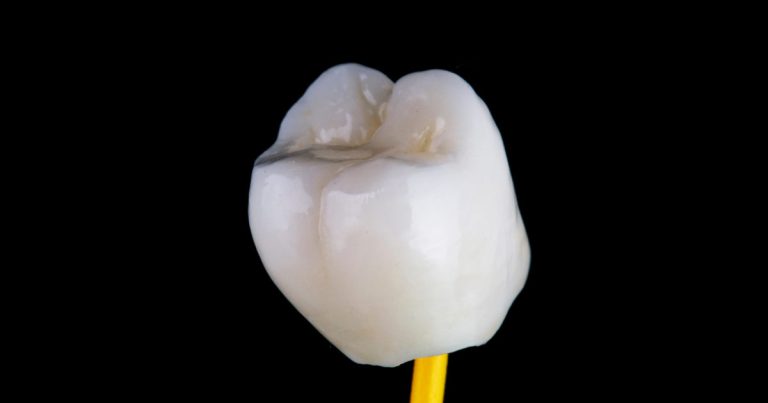
Zirconia Crown
Zirconia Crowns

Zirconia Crowns

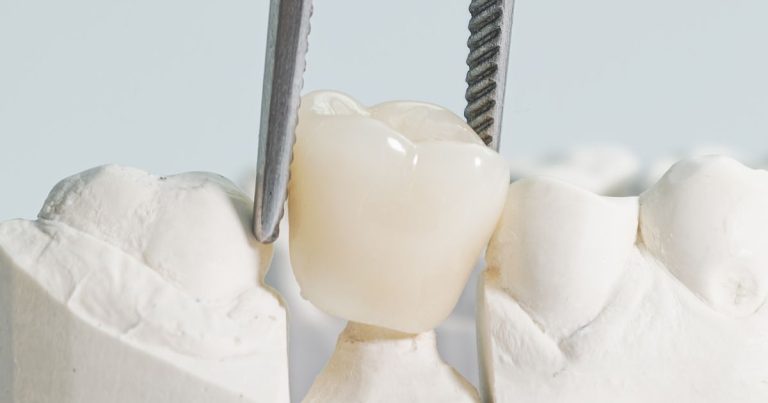
Introduction Zirconia crowns are one of the most common tooth-colored crown options patients hear about today. A dentist may recommend one for a cracked molar, a tooth with a large old filling, a tooth that has had root canal treatment, a worn-down tooth, or a back tooth that needs a strong restoration but still needs to look natural. Patients often ask simple-sounding questions: Is zirconia better than porcelain? Is it stronger than ceramic? Will it look fake? Is it safe? Will it wear down the tooth that bites against it? Is it worth the extra cost? The honest answer


Read More »
Flipper
Flipper

Flippers

A flipper is a type of removable dental prosthetic that is commonly used to replace one or more missing teeth. It is a lightweight, inexpensive, and relatively simple alternative to other types of dentures, such as traditional full or partial dentures.   What is a flipper? A flipper is a removable dental prosthetic that is designed to replace one or more missing teeth. It is typically made of a flexible plastic material and is shaped to fit over the remaining teeth. Flippers are held in place by the natural suction of the mouth, or by a small wire or

Read More »
Porcelain Crown
Porcelain Crowns

Porcelain Crowns

Introduction A porcelain crown is one of the most common options patients ask about when they need a tooth restored and still want it to look natural. Maybe a tooth broke. Maybe an old filling is too large to repair again. Maybe a root-canal-treated tooth needs more protection. Or maybe a front tooth is dark, worn, misshapen, or covered by an old crown that no longer blends in. “Porcelain crown” sounds simple, but it can mean several different things in modern dentistry. Some crowns are porcelain fused to metal. Some are all-ceramic. Some are zirconia. Some are lithium disilicate.

Read More »
Skip to content