Introduction
What Is a Water Flosser? A water flosser—also known as an oral irrigator or dental water jet—is a handheld dental device that cleans between and around your teeth with a targeted stream of water. It pulses water to dislodge food debris and remove plaque (the sticky bacterial film) from between teeth and below the gumline. Regular use of a water flosser can improve gum health by reducing plaque and bacteria that lead to gingivitis (early gum disease). In essence, it’s like “pressure washing” your teeth and gums gently to clean areas your toothbrush can’t reach.
What Is Waterpik? Waterpik is the brand name of the first and most widely known water flosser device. In fact, “Waterpik” is often used generically to refer to any water flosser, much like “Kleenex” for tissues. The Waterpik was invented in 1962 by a dentist and an engineer, and it pioneered the concept of at-home oral irrigation. Today, Water Pik, Inc. produces a range of water flossers, and many models carry the American Dental Association (ADA) Seal of Acceptance for safety and effectiveness. While Waterpik is a leading brand, there are other brands of water flossers on the market, but all serve the same basic function.
How Does Water Flossing Differ from Traditional Flossing? Traditional flossing involves threading a thin string between your teeth and scraping up and down to physically remove plaque and food particles. In contrast, a water flosser uses a pressurized stream of water aimed at the gumline and between teeth to flush out plaque and debris. Many people find water flossers easier to use than string floss because there’s no need to maneuver a strand between tight teeth – you simply point the water stream and let it do the work. Water flossing is less technique-sensitive; for example, you don’t need to master the “C-shape” motion required with floss, making it a convenient option for those who struggle with proper flossing technique. However, it’s important to note that water flossers clean differently than string floss. String floss can scrape off sticky plaque from the tooth surface, whereas a water flosser rinses and dislodges particles and bacteria with water pressure. Ideally, the two methods can complement each other. In fact, many dentists recommend using both: brush and floss to physically remove plaque, and use a water flosser to flush out loosened debris and massage the gums for optimal oral hygiene.
What Are Water Flossers Used For?
Water flossers are used to clean between teeth and along the gumline as part of a daily oral hygiene routine, much like traditional floss. Here are the key uses and situations where water flossers shine:
- Removing Food Debris and Plaque: The primary use of a water flosser is to remove bits of food and plaque from areas that your toothbrush can’t reach – namely between teeth and under the gumline. The pulsating water jets physically flush out trapped food particles and disturb the plaque biofilm that can lead to tooth decay and gum disease. This helps prevent the buildup of tartar (hardened plaque) and reduces the risk of cavities and gum inflammation.
- Reaching Difficult Areas: Water flossers excel at cleaning tricky spots that can be hard to manage with string floss. For example, closely spaced teeth or teeth with tight contact points can be challenging to floss, but a thin stream of water can often sneak into those narrow gaps and rinse them clean. They also make it easier to clean the very back molars, which are often neglected due to their location. In essence, the water jet can navigate nooks and crannies in your mouth with precision, targeting areas that might be “impossible to clean with string floss” alone.
- Braces and Orthodontic Appliances: If you have braces or other orthodontic devices, a water flosser can be a game-changer for oral hygiene. Braces create many tiny spaces where food gets trapped around brackets and wires. Traditional flossing with braces is time-consuming and requires threading floss under wires for each tooth. A water flosser, on the other hand, can blast away food particles around braces effortlessly, keeping teeth and brackets cleaner. Orthodontic patients often find water flossing much easier and faster than using floss threaders, and it helps prevent plaque buildup around brackets that could cause white spots or cavities during orthodontic treatment.
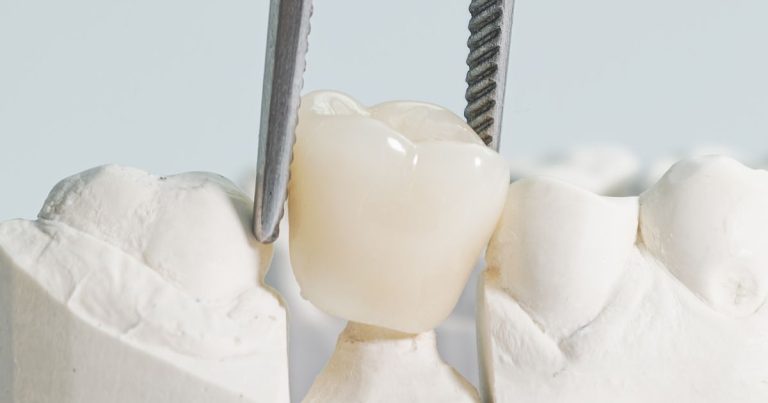
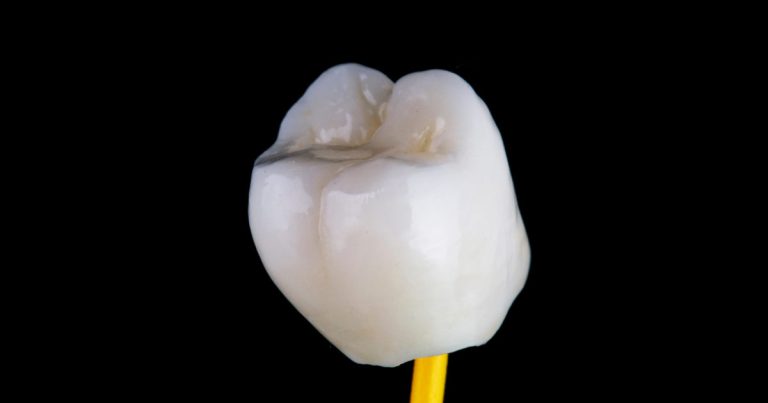
- Dental Implants, Crowns, and Bridges: Water flossers are very useful for people with dental work such as implants, crowns, bridges, or fixed retainers. These devices and restorations can create awkward angles or tight spaces where floss might not adequately clean. For instance, implants and crowns need careful cleaning at the gumline to prevent inflammation or infection (such as peri-implantitis around implants). A water flosser can gently yet thoroughly clean around implant posts and crown margins, helping to protect these investments in your smile. Similarly, if you have a fixed bridge (which replaces a missing tooth and is anchored to neighboring teeth), traditional floss can’t easily reach under the false tooth – but a water flosser’s stream can reach under bridges and around retainers with ease, flushing out food debris that would otherwise be trapped. Many dental professionals recommend oral irrigators for patients with such dental work to maintain gum health around those areas.
- Periodontal (Gum) Health and Disease: Maintaining gum health is another crucial use for water flossers. If you have gum inflammation (gingivitis) or more advanced gum disease (periodontitis), using a water flosser can help clean out the periodontal pockets (the small gaps that form between the teeth and gum in gum disease). The pulsating water can reach about 90% of a 6mm deep gum pocket, which means it can flush out bacteria hiding below the gumline in mild to moderate periodontal pockets. Deep gum pockets require special attention – the water flosser’s stream penetrates these areas and helps reduce bacterial buildup, which supports your gum treatment alongside professional care. While a water flosser is not a substitute for professional periodontal therapy, it is an excellent daily tool for managing gum health. Many dentists and periodontists incorporate water flossing as part of home care instructions for patients with periodontal disease, since it can reduce bleeding and inflammation when used consistently.
- People with Dexterity Issues or Who Dislike Flossing: Water flossers can be a fantastic option for people who struggle with conventional floss due to limited hand dexterity or other difficulties. For example, individuals with arthritis, carpal tunnel syndrome, or other conditions that make handling a thin floss string and reaching all teeth challenging often find water flossers much easier to manage. It’s a one-handed operation and doesn’t require the finger dexterity that string floss does. The ADA notes that water flossers are a good option for people who have trouble flossing by hand. Additionally, anyone who finds flossing unpleasant or who “dreads flossing” may be more likely to stick with daily water flossing – turning a chore into a quick, even enjoyable, task. In short, compliance can improve, because many patients find water flossing easier and more inviting than traditional floss. The best cleaning method is one you will actually use every day, so a water flosser can make daily interdental cleaning more feasible for some people.
Benefits to Patients
Using a water flosser as part of your oral care routine offers several notable benefits for patients. It’s not just about convenience – there are real health advantages too:
- Improved Gum Health: Perhaps the biggest benefit is healthier gums. By removing plaque and bacteria from along the gumline and between teeth, water flossers help prevent gum inflammation. In fact, water flossers with the ADA Seal of Acceptance have been proven to be safe and effective at eliminating plaque and reducing gingivitis (early gum disease) throughout the mouth. Some studies have shown that water flossers can reduce bleeding and gum inflammation even more than string floss in certain cases. For example, one clinical study found a water flosser achieved significantly greater plaque reduction and lower bleeding scores compared to traditional floss. This means if you use a water flosser correctly and consistently, you can expect less gum bleeding, reduced swelling, and improved overall periodontal health. Many users also report that the gentle water massage feels good on the gums – it can stimulate blood circulation in the gum tissue, which may contribute to gum health. Over time, you’ll likely notice your gums look pinker and bleed less during brushing or flossing, indicating reduced inflammation.
- Easy to Use – Patient-Friendly: Water flossers are generally very easy to use, even for those who find regular floss tricky. There’s a shorter learning curve with a water flosser. You simply point the tip along your gumlines and in between teeth; it’s less technique-sensitive than string flossing. You don’t have to wrap anything around your fingers or struggle to reach the back teeth. This makes it a great option for people with limited finger dexterity, as mentioned, or for children and teenagers who may not have the patience or skill to floss properly. In fact, even kids as young as 6 have been able to use water flossers effectively (with supervision) because it’s that straightforward. For many patients, using a water flosser turns interdental cleaning from a tedious chore into something almost fun – it can be oddly satisfying to flush out debris and feel your mouth cleaner. Because it’s often less painful and gentler on the gums (especially if you have sensitive or bleeding-prone gums), users are more likely to stick with daily water flossing. This improved compliance is a huge benefit: the best oral care method is one you’ll do consistently, and water flossers often help people maintain daily cleaning where they might have skipped flossing.
- Great for Braces and Dental Work: As noted earlier, one of the big patient benefits is how well water flossers work for those with braces, bridges, implants, or other dental hardware. If you fall into these categories, a water flosser can significantly improve your oral hygiene by reaching spots that brushes and floss can’t. Patients with braces often have less plaque and healthier gums at checkups when they’ve been water flossing versus those who attempt string flossing inconsistently. Likewise, implant patients who use water flossers can reduce their risk of peri-implantitis by keeping the implant site cleaner. Overall, using a water flosser can mean fewer surprises at your dental visits: less tartar buildup, fewer cavities between teeth, and better gum check scores.
- Gentle and Customizable Cleaning: Water flossers allow you to tailor the experience to your comfort, which is a benefit for sensitive users. Most models have adjustable pressure settings (typically ranging from a gentle low setting to a more powerful high setting). This means if you have sensitive gums or painful areas, you can start on a low, gentle pressure and gradually increase as your gums get healthier or as needed. The water temperature is also under your control – using lukewarm water can prevent sensitivity shocks that cold water might cause. For those who find flossing painful or who have had gums that bleed with floss, water flossing can be a less abrasive alternative. It cleans without the forceful scraping action. As long as you use it correctly, it shouldn’t hurt; in fact, many find it soothing. And if you have trouble with floss cutting into your fingers or causing discomfort in your mouth, a water flosser avoids all that. Additionally, water flossers can be used with special tips (attachments) for specific needs – for example, orthodontic tips for braces or periodontal tips that can deliver antibacterial rinses deeper into gum pockets. These options give patients a versatile, customizable cleaning tool that can adapt to different oral health needs.
- ADA Seal of Acceptance: A noteworthy benefit to mention is the ADA Seal of Acceptance on many water flossers (especially Waterpik models). The ADA Seal is like a gold standard in dental products – it means the product has been rigorously tested by the American Dental Association and found to do what it claims safely and effectively. Waterpik Water Flossers were the first powered interdental cleaners to earn the ADA Seal, back in 2017. Today, several models of water flossers carry the Seal. For patients, this provides reassurance that using an ADA-accepted water flosser will genuinely help remove plaque and help prevent gum disease when used as directed. In other words, the leading dental authority has given water flossers a thumbs-up as a beneficial oral care tool. This is important because for many years, some people questioned if “water flossing” was just an gimmick – but the ADA’s endorsement confirms that these devices can be a real asset to your oral health, not just a fancy gadget.
How to Use a Water Flosser Correctly
Using a water flosser is straightforward, but following some simple steps will ensure you get the best results (and avoid splashing water everywhere!). Here is a step-by-step guide on how to use a water flosser properly:
- Fill the Reservoir: Begin by filling your water flosser’s reservoir (water tank) with lukewarm water. Tip: Using warm water instead of cold can make the experience more comfortable, especially if you have sensitive teeth or gums. You can also mix in a little mouthwash with the water (no more than 50% mouthwash, per Waterpik’s guidelines) if you want a fresh taste or antimicrobial boost, but plain water is typically sufficient.
- Select the Right Tip and Pressure: Attach the desired flosser tip to the handle. Most people will use the standard jet tip at first. If your device came with special tips (like an orthodontic tip or a periodontal tip), use them as directed for those specific needs. Next, adjust the pressure setting on your water flosser. Start on a low pressure setting, especially if it’s your first time or if you have sensitive gums. You can always increase the pressure gradually as you get comfortable. Using too high a pressure right away isn’t necessary and could irritate your gums.
- Position Yourself and the Tip: Lean over the sink to prevent a mess (this is important – water will be flowing out of your mouth). Place the tip of the water flosser in your mouth before turning it on. Close your lips most of the way to minimize splashing, but allow enough space for water to run out into the sink. Aim the tip at a 90-degree angle to your gumline – basically, where your tooth meets your gums. It’s usually best to start with the back teeth and work your way forward.
- Activate and Floss Along the Gumline: Turn the unit on while the tip is in your mouth. Start cleaning by following the gumline of each tooth. Trace each tooth’s edge with the water stream, pausing briefly between teeth to flush out those gaps. Glide the tip along the outer and inner sides of your teeth (spending a couple of seconds between each pair of teeth). Don’t forget to irrigate just below the gumline gently – the water will pulsate into the sulcus (the shallow space between tooth and gum) to help remove hidden debris and bacteria. Remember to breathe and go slowly; there’s no need to rush. If your reservoir has enough capacity, try to continue until you’ve thoroughly cleaned all areas, top and bottom, inside and out. Most countertop water flossers have a reservoir that provides about 60–90 seconds of flossing time, which is generally sufficient to cover the whole mouth. For cordless models with smaller tanks, you might need to refill once to get a full session, aiming for roughly 1–2 minutes of water flossing total for a complete job.
- Spit and Repeat as Needed: As your mouth fills with water and loosened debris, let it dribble out into the sink (spitting intermittently if necessary). The process is continuous: water in, debris out. Continue until you have cleaned between all teeth. If the water stream ever feels painful, turn the pressure down a notch or adjust your angle – it should be stimulating but not hurtful.
- Turn Off and Clean Up: Once done, switch off the device before removing it from your mouth (to avoid spraying water around). Empty any remaining water from the reservoir – it’s not a good idea to let water sit in the tank between uses, as it can grow bacteria or get stale. Rinse the reservoir and tip with clean water. If your tip is removable, you can eject it and store it. It’s also wise to periodically clean the device per the manufacturer’s instructions (for example, some recommend soaking the tips in a vinegar solution monthly to prevent mineral deposits or bacteria growth). Lastly, allow the device to air dry if possible, especially the tank, to keep it hygienic.
How Often and When to Use: For best results, use your water flosser at least once per day, just as you should with regular flossing. Many people prefer to water floss at night before bedtime. Flossing at night ensures you go to sleep with a clean mouth, and it removes the day’s accumulated plaque and food debris so bacteria have less to feast on overnight. (Also, if you brush with fluoride toothpaste after flossing, you won’t rinse that fluoride away—unlike if you flossed after brushing.) Some like to water floss in the morning to start the day feeling fresh, which is fine too; the key is daily use. Consistency is more important than timing, so choose a time that you can stick with every day. If you have gum disease or are prone to rapid plaque buildup, your dentist may even recommend water flossing twice a day, but for most people, once daily is enough to maintain oral health.
Extra Tips for Success: Always use a gentle, systematic approach – for example, start at the upper back teeth, sweep the top arch, then the bottom arch. Leaning over the sink and slightly closing your lips will prevent water from splattering on the mirror or countertop. If you’re new to water flossing, you might experience a little gum bleeding initially (just as with regular floss) especially if your gums are inflamed. This should improve as your gum health improves. If bleeding persists after a couple of weeks of daily use, mention it to your dentist. Also, remember to never point the jet directly into the gum tissue with force or into your cheeks or throat – always aim along the gumline. And don’t share your water flosser tips with others, to prevent spreading germs. Each family member should use their own tip. With these steps and pointers, you’ll quickly become a pro at water flossing. Many first-time users are amazed (and maybe a bit grossed out) by the bits of food that rinse out – but that’s proof you’re cleaning what brushing alone leaves behind!
Effectiveness and Safety
Is water flossing effective? Numerous studies and dental experts affirm that water flossers are an effective tool for oral hygiene. When used properly, a water flosser can remove plaque and reduce gum inflammation comparable to traditional floss – and some research even shows superior results in certain aspects. For example, a comprehensive review of studies found that water flossers tend to outperform string floss in reducing bleeding and gum inflammation (gingivitis). In one well-known study, a Waterpik water flosser resulted in a 74% reduction in plaque overall, compared to 58% with string floss – and a particularly impressive reduction in plaque between teeth (over 80% reduction) compared to about 64% with floss. While results can vary by individual and technique, these findings suggest that water flossers are not just “spraying water” with no benefit – they are legitimately helping to clean your teeth and gums. The American Academy of Periodontology has stated that adding water irrigation to your routine does improve gum health: even simply rinsing along the gumline (supragingival irrigation) can reduce gingival inflammation beyond what brushing alone achieves. In plain terms, brushing alone often isn’t enough, and a water flosser can give you that extra level of cleaning that leads to healthier gums.
How do water flossers achieve this? The effectiveness of water flossing comes from the combination of water pressure and pulsation. The gentle pressure dislodges food particles and disrupts plaque biofilm, while the pulsating action creates a sort of hydrodynamic flushing that cleans out bacteria from gum pockets and between teeth. Research shows that pulsating water can penetrate deep into gum pockets (up to 90% of the depth of a 5-6 mm pocket) without harming the tissue. And contrary to a common misconception, water flossing does not simply push bacteria further under the gums. In fact, it removes bacteria from the pockets effectively, rather than forcing them in. As a result, water flossers have been shown to reduce periodontal pathogens and reduce signs of periodontitis when used consistently, especially when used in addition to normal brushing. Many dentists observe that patients who water floss regularly have less bleeding and better gum check-ups than those who don’t.
ADA and Dental Organizations’ Position: The dental community recognizes water flossers as a valuable oral care tool. The ADA’s Seal of Acceptance on water flossers (like many Waterpik models) is based on evidence that these devices are safe and effective at removing plaque and helping prevent gum disease. The ADA encourages daily cleaning between teeth – whether with floss, a water flosser, or another interdental cleaner – as a critical part of maintaining oral health. In other words, the consensus is that something to clean between your teeth daily is necessary, and a water flosser can fulfill that role. The American Academy of Periodontology, as noted, also supports water irrigation as a helpful adjunct for reducing gum inflammation. Many dental hygienists now recommend water flossers to patients, especially those who struggle with floss, because there is “plenty of research supporting the safety and effectiveness of water flossers” as a routine recommendation. So if you’ve ever heard a dentist dismiss water flossers as ineffective, that view is outdated – current evidence and endorsements suggest that water flossers are a beneficial addition to oral hygiene for most people.
Safety Considerations: Water flossers are generally very safe to use. The water pressure is strong enough to clean but not enough to damage healthy gum tissue. Studies have shown that even relatively high pressures (up to 90 PSI) are safe on gums, and typical home devices max out around that range. The pulsating water does not harm the gum lining or tooth enamel when used correctly. In fact, even individuals with gum inflammation can use water flossers at a lower pressure (50–70 PSI) comfortably without causing trauma. The incidence of bacteria entering the bloodstream (bacteremia) from water flossing is about the same as that from toothbrushing or traditional flossing, meaning it’s no more risky in that regard than normal oral care. This is important for people with certain heart conditions or other concerns – basically, water flossers are as safe as floss in terms of not causing infections.
Precautions and Best Practices: While safe, there are a few precautions to ensure optimal use of a water flosser:
- Use Appropriate Pressure: As mentioned, start at a low pressure and only increase to a level that is comfortable for you. Using an extremely high setting right away doesn’t guarantee better cleaning but could irritate your gums unnecessarily. Find a pressure that effectively removes debris but feels gentle on your gums.
- Don’t Aim at Injury Sites: If you have recent oral surgery or an open wound in your mouth, follow your dentist’s advice on using a water flosser. They might recommend avoiding the area or using a very low setting temporarily. Generally, water flossers are fine to use around recent dental work (like an extraction site or implant surgery) only if your dentist approves.
- One Person per Device (or Tip): Avoid sharing your water flosser with others as this could transfer bacteria. At the very least, each user should have their own tip. As the Mayo Clinic advises, sharing the device can risk cross-contamination of bacteria.
- Keep It Clean: To maintain safety, keep your water flosser clean. Empty and rinse the tank after each use so water isn’t stagnating inside. Clean the tip and handle as directed (many manufacturers suggest periodic cleaning with vinegar or hydrogen peroxide solutions to prevent bacterial growth). Neglecting maintenance could allow mold or bacteria to grow in the device, which you don’t want sprayed into your mouth. So, a quick rinse and occasionally deeper clean will ensure the device stays hygienic.
- Use as Directed: Only use water or dentist-recommended solutions in the flosser. Do not put any liquids in the device that are not approved (like abrasive substances or very hot water). Standard mouthwashes can usually be used diluted, but always check the manual. Also, use the device for its intended purpose – cleaning between teeth. Don’t try to spray other parts of your mouth or body with it inappropriately (it’s not an all-purpose water jet!).
When used correctly, water flossers are extremely safe and can be a gentle addition to daily care. If you ever feel pain or see unusually prolonged bleeding when using one, consult your dental professional – you may need to adjust your technique or pressure. But for the vast majority of users, water flossing is a comfortable, effective, and safe way to keep your smile healthy.
Cost and Availability
Water flossers come in a range of models and prices, making them accessible to most people. Here’s what to know about the cost and where to get one:
- General Cost Range: Water flossers are quite affordable as a long-term investment in your oral health. Basic models (such as simple countertop units or portable cordless flossers) often start around $30-$40 for a no-frills version. Mid-range models with more features (like multiple pressure settings, larger water reservoirs, or extra tip attachments) typically run in the $50-$80 range. High-end models or combination devices (for example, a unit that combines a toothbrush and water flosser, or those with many advanced features) can cost $100 or more. Even the top-of-the-line water flosser brands usually stay under a few hundred dollars; compare that to the cost of dental treatments you might avoid (like deep cleanings or fillings from poor flossing) and it’s a worthwhile purchase. There’s essentially “a model for every budget” when it comes to water flossers. The price you pay may also include a set of interchangeable tips and a warranty. Remember that beyond the initial cost, maintenance expense is minimal – you just need to replace tips every few months (tips usually cost only a few dollars each) and occasionally you might choose to buy a replacement reservoir or hose after years of use, but there are no costly recurring supplies like with electric toothbrushes (no brush heads to replace, for example).
- Where to Buy: Water flossers are widely available both online and in stores. You can find them at major retail stores like pharmacies (CVS, Walgreens, Rite Aid), big-box stores (Walmart, Target), warehouse clubs (Costco, Sam’s Club), and online marketplaces (Amazon, etc.). Many online dental stores or the manufacturer’s own website also sell them. Note that buying directly from the manufacturer (like Waterpik’s official site) may sometimes be pricier than third-party retailers, but could offer perks like warranty registration or bundles. Some dental offices carry water flossers for sale, particularly specialists like orthodontists or periodontists who often recommend them – it can be convenient to buy at your dentist’s office if they stock them, though not all do. If you are unsure which model to get, ask your dentist or hygienist; they might have specific recommendations or even demo units in the office. Additionally, check for the ADA Seal on the packaging, which indicates the product has ADA approval (many Waterpik models will have this on the box).
- Insurance Coverage: Generally, dental insurance does not cover the cost of a water flosser because it’s considered an over-the-counter home care device, not a treatment. Insurance plans typically focus on procedures done in a dental office. However, if you have a Health Savings Account (HSA) or Flexible Spending Account (FSA) as part of your healthcare plan, you might be able to use those funds to purchase a water flosser. In many cases, HSA/FSA funds can be spent on dental care items. In fact, Waterpik notes that their flossers are eligible for reimbursement with HSA/FSA in some plans. You should check your specific plan’s list of eligible expenses or ask your benefits administrator. Even without any insurance help, water flossers are a one-time cost that can save you money in the long run by potentially preventing dental issues. Think of it this way: spending $50 on a device that helps prevent gum disease might save you hundreds of dollars in dental treatments down the road.
- Replacement and Operating Costs: As mentioned, the ongoing costs are low. You’ll use tap water (essentially free) or optionally a bit of mouthwash. The only parts that need periodic replacement are the flosser tips. Most manufacturers recommend replacing the tip every 3-6 months, similar to how often you’d change a toothbrush head, because the tips can wear out or the openings can get clogged with mineral deposits over time. A set of replacement tips is usually inexpensive. The devices themselves typically last for many years with proper care. If it’s electric (most are plug-in or rechargeable), there’s a negligible electricity cost to charge or run them.
In summary, water flossers are widely available and affordable. For the price of a couple of restaurant meals, you can own a tool that markedly improves your oral hygiene. Check local retailers or online reviews to find a model that fits your budget and preferences. Often, you can find good deals, especially around holiday sales or events like Black Friday. Given their benefits, a water flosser is a smart addition to your bathroom that won’t break the bank.
Dentists Share Their Thoughts on Waterpiks
We wanted to get some expert opinions on waterflossers, so we’ve reached out to dentists to answer a couple questions about them.
Brushing and flossing are recommended frequently enough, but some may be wondering about water flossers.
Question: Are water flossers advantageous, either in general, or for people who have specific oral health issues?
“A Waterpik is great for removing food particles from your mouth. However, it does NOT remove plaque which causes decay, gum disease and bad breath.”
 “A Waterpik is great for removing food particles from your mouth. However, it does NOT remove plaque which causes decay, gum disease and bad breath.”
Jerome L. Faist, DDS – Beachwood, OH
 “Water flossers and Waterpiks are good for debriding; i.e. blowing food debris out between teeth, however, they cannot remove bacterial plaque, which is the sticky biofilm that adheres to teeth and is responsible for nearly all dental decay and periodontal disease.”
Richard E. Nichols, DDS – Littleton, CO
 “Water flossers are great for all patients—especially those with orthodontics (like braces) or bridges and crowns. They help clean certain areas of braces or around the margin of crowns and bridges where you might have a hard time reaching with floss. And for all patients, water flossers can also be more effective than dental floss at reducing gingivitis, bleeding, and plaque.”
Steve A. Sato, DDS and hygiene team – Dayton, OH
 “A Waterpik is used to clean out bacterial contamination under the gum tissue. It is more efficient than just brushing and flossing.”
Robert A. Morabito, DDS – Falls Church, VA
 “Water flossers like a Waterpik or the Sonicare Air Flosser are great adjunct tools to brushing and flossing but do not replace the basic brush and floss. Water flossers are a benefit for patients with braces, elderly patients that have a difficult time flossing and patients with fixed prosthetics like bridges. I recommend them to my patients.”
Daniel Florian, DMD – North Royalton, OH
Question: If a person uses a water flosser, does that eliminate the need for traditional flossing?
Jerome L. Faist, DDS – Beachwood, OH
Richard E. Nichols, DDS – Littleton, CO
Yes, you need to floss even when incorporating a water flosser into your daily oral care regimen. A water flosser does not replace brushing or flossing your teeth. Effective flossing with the correct technique wipes away sticky plaque above and below the gumline. The water flosser is an aid, along with brushing and flossing, to help remove food debris that remains in hard to reach areas.
Incorporate a water flosser once a day, on the lowest setting, before brushing. All patients benefit from water flossers. It can be used for children (with supervision), patients with implants, bridges, orthodontics, and anyone who wants to maintain their oral health and overall health.”
 “For a response to this particular question I deferred to my hygiene team in order for them to share their professional knowledge and experience.
Timothy P. Sulken, DDS and hygiene team – Fostoria, OH
Steve A. Sato, DDS and hygiene team – Dayton, OH
Robert A. Morabito, DDS – Falls Church, VA
Daniel Florian, DMD – North Royalton, OH
Alternatives to Water Flossing
Water flossers are one way to clean between your teeth, but they’re not the only way. It’s important to know the alternatives and how they compare, so you can choose what works best for your mouth. Here are the main alternatives to using a water flosser:
- String Dental Floss: The traditional method, dental floss, is a thin strand (usually nylon or Teflon) that you manually insert between each pair of teeth. You curve it in a C-shape around the side of each tooth and scrape up and down to dislodge plaque. Floss is very effective at cleaning the tight contact areas between teeth and under the gums when used correctly. It is also cheap and portable – you can carry a little floss container anywhere. However, flossing requires good technique and finger dexterity. Some people find it difficult to reach all areas (especially the very back teeth or if they have large hands/small mouth). Floss can also sometimes shred or get stuck in tight spots. The consensus among dentists is that any method of cleaning between teeth is better than nothing; if floss works for you and you use it daily without issue, that’s excellent. If you struggle with floss, a water flosser or other tools might be a better choice. It’s not necessarily an either/or – you can floss some days and water floss on others, or even use both (water floss after using string floss to wash away everything).
- Floss Picks and Floss Holders: These are essentially aids for flossing. A floss pick is a small plastic tool with a piece of floss stretched on a tiny frame, making it easy to hold and snap between teeth. A floss holder is a Y-shaped or harp-shaped tool where you can mount a piece of floss; it’s like creating your own floss pick with fresh floss each time. These tools can make flossing easier for those who have trouble handling a long strand of floss. They are particularly handy for reaching back teeth without having to put your whole hand in your mouth. The cleaning mechanism is the same as regular floss (the floss picks are just floss on a stick), so they share floss’s advantages and limitations. One limitation: most floss picks have a fixed segment of floss that you might end up reusing between multiple teeth, which can transfer plaque unless you rinse or use multiple picks. Still, they are a convenient alternative. If someone doesn’t like water flossers, a floss pick can be a good step up from not flossing at all. They’re also great on-the-go or for kids learning to floss.
- Interdental Brushes: An interdental brush (also called a proxy brush or interproximal brush) is a tiny brush, often shaped like a little Christmas tree, that fits between your teeth to scrub the sides. They come in various sizes to match the space between teeth. Interdental brushes are highly effective for people who have slightly larger gaps between teeth, or gum recession that creates more space, or around appliances like bridges and braces. In fact, in some studies interdental brushes remove plaque even better than floss in those who can fit them between their teeth. They physically scrub the tooth surfaces between teeth much like a mini toothbrush. However, they only work if you have the room to get them in – not everyone’s teeth have space for even the smallest brush. If your dentist has told you that you have black triangles (from receding gums) or wider gaps, they may recommend these brushes. If your contacts are very tight, floss or water floss might be better. Some people use a combination (e.g., brush between larger gaps and floss between tight teeth). Interdental brushes are especially good around braces and under bridgework too, similar to water flossers. They are reusable for a little while but need regular replacement.
- Wooden or Plastic Dental Picks/Stimulators: These are like little toothpick-like tools (often flattened on one side, like Stim-U-Dent sticks) that you can slide between teeth to clean debris and stimulate gums. They can help remove food stuck between teeth and massage the gums. They are not as thorough as floss or water flossers for plaque removal, but they can be convenient after meals to dislodge bits. Dentists sometimes recommend soft wooden picks for people with gum disease to use in addition to flossing, as a way to stimulate blood flow in the gums.
- Air Flossers: A relatively newer alternative is an air flosser device (Philips Sonicare AirFloss is an example). Instead of a continuous water stream, these gadgets shoot rapid bursts of air mixed with micro-droplets of water or mouthwash between your teeth. Essentially, you position it between teeth and it “puffs” the debris out. Air flossers have been marketed as a less-messy alternative to water flossers (since they use much less liquid). Some people find them convenient, and they can be effective, though generally reviews suggest they may not remove as much plaque as water flossers do. They’re an option if you want something quick and are averse to the water spray of a water flosser.
In comparing these alternatives to water flossers, it boils down to personal preference and specific needs. Traditional floss and interdental brushes physically scrape or brush the tooth surfaces, which is great for plaque removal, but they require the user to do it correctly. Water flossers wash away debris and can reach deeper into pockets and around hardware easily, but they don’t actually scrape the tooth – they rely on the water action. Many dental professionals say that if you use a water flosser thoroughly every day and brush well, you can achieve equal oral health results to string flossing. If you love flossing and do it well, there’s no need to stop – you could consider adding water flossing for an even more thorough clean (some like to floss first, then water floss to rinse everything out). If you hate flossing or find it too difficult, then a water flosser or another tool is absolutely recommended over doing nothing.
The Mayo Clinic puts it nicely: there are a variety of tools to clean between teeth – pick the one that you will use consistently and that fits your needs. For some, that’s floss; for others, a water flosser is much easier and thus more likely to be used daily. You can also talk to your dentist or hygienist about what’s best for your mouth (for example, if you have a lot of dental work, they might lean towards water flosser; if you have some big gaps, they might add an interdental brush to your routine). The goal is the same: remove the plaque between your teeth every day. How you do it is up to you!
Common Misconceptions about Water Flossers
As water flossers have become popular, a few myths or misconceptions have also made the rounds. Let’s clear up some of the common questions or misunderstandings:
- “Is water flossing enough on its own? Can it replace string floss?” – This is one of the most frequently asked questions. The answer depends on who you ask, but generally: water flossing can effectively serve the purpose of flossing for many people, but dentists often stop short of universally recommending it as a complete replacement in all cases. Traditional flossing is very effective at scraping plaque off, especially in tight spaces, and some dentists worry that water flossers, while good, might miss sticky plaque in certain tight contacts. The best approach is to use both – if you can, floss a few times a week and water floss daily. However, if you know that realistically you won’t floss with string regularly, then using a water flosser every day is an excellent alternative and far better than not flossing at all. In fact, some dental experts say that for patients who consistently water floss well, it’s “completely acceptable to drop flossing from your routine” because the water flosser gets the job done. Others suggest flossing still has an edge in certain areas, so they advocate doing both when possible. Think of it this way: water flossers are extremely effective at removing loose plaque and food debris and reducing gum inflammation. They might not scrape stubborn plaque as a floss strand can, so if you have a specific tight spot that tends to get plaque, you might still floss that area occasionally. But overall, using a water flosser each day will meet the goal of cleaning between your teeth and promoting gum health. Importantly, neither water flossing nor string flossing can replace tooth brushing (more on that next). They complement brushing. So yes, you can consider your water flosser as your main method of flossing if it helps you be consistent. Just remember to get regular dental checkups – your dentist can gauge if your method is working well (if they see plaque between teeth or not) and guide you accordingly.
- “Does a water flosser replace brushing?” – No, absolutely not. You still need to brush your teeth twice a day with a good fluoride toothpaste. Brushing and flossing (or water flossing) do different jobs. Brushing cleans the broad surfaces of your teeth (front, back, top) and the toothpaste delivers fluoride to strengthen the enamel. Water flossers (and other interdental cleaners) clean between the teeth and slightly under the gums, where a brush can’t reach. You can’t swap one for the other – you need both for a complete routine. Think of brushing and flossing as complementary: brushing gets about 60-70% of the tooth surfaces, and flossing/water flossing takes care of the rest in between. The misconception that a water flosser could replace brushing might come from its powerful cleaning feeling, but it won’t scrub the plaque off the flat surfaces of teeth like a toothbrush does. Even Waterpik emphasizes on their site (and dentists agree) that water flossing is in addition to brushing, not instead of it. So, no matter how diligent you are with the water flosser, keep brushing morning and night.
- “Water flossers are too messy or hard to use.” – Some first-time users worry that they’ll spray water all over their bathroom or that using a water flosser is complicated. It’s true that if used improperly, you might splash a bit of water, but this is easily managed with the right technique. As discussed in the how-to section, the key is to lean over the sink, keep your mouth partially closed around the nozzle, and turn the unit off before removing it from your mouth. Do that, and you’ll find it’s not messy at all – the water and debris will neatly flow out of your mouth into the sink. It might take a couple of tries to get the hang of it, but it’s far from a water fight! Compared to the difficulty some have with string floss (which can be awkward, or cause fingers to hurt, etc.), water flossing is quite easy. Modern devices are well-designed to minimize mess; many are cordless and waterproof so you can even use them in the shower if you prefer (which completely solves the mess concern for some users). So, don’t let fear of mess deter you – practice makes perfect, and most people master it after a use or two. As for difficulty of use, water flossers are straightforward: fill, point, and clean. They actually make life easier for many, especially those with braces or limited mobility. In short, the “too messy/hard” myth is busted with simple user tips and a bit of practice.
- “Water flossers don’t really remove plaque; they just rinse your mouth.” – This is a lingering misconception, even among some dental professionals who learned old-school. You might hear someone quip that a water flosser “just gives the plaque a bath without removing it.” However, clinical evidence and expert reviews have refuted this. As we covered, water flossers do remove plaque and disturb the plaque biofilm effectively. The pulsating water has enough force to dislodge plaque from the tooth surface and flush it out. It’s not just water swishing around; it’s directed, pressurized irrigation. Studies where dental plaque levels were measured before and after using a water flosser showed significant reductions in plaque, comparable to or better than floss in many cases. Of course, like any tool, effectiveness is tied to proper use – quickly splashing water around for 10 seconds won’t magically eliminate all plaque. You need to methodically trace along each tooth. But when used correctly, a water flosser is far more than a mouth rinse. It’s a targeted cleaning device that can physically remove soft plaque and food bits. It’s true that neither floss nor a water jet can remove hardened tartar (only a dental cleaning can), so once plaque calcifies, you’ll need a pro to scrape it off. The goal is to remove plaque before it turns to tartar, and water flossers are proven to help do that. So, if someone tells you water flossing is useless, they’re not up to date with the current science.
- “It’s too expensive to get a water flosser.” – We touched on cost earlier, but as a myth, some assume these devices are very costly or a luxury item. In reality, basic models are quite affordable (often $30-$50), and even high-end ones are usually under $100, which for a one-time purchase that lasts years is not bad. Considering the potential benefits to your oral health (and the potential savings from avoiding dental problems), many find it a worthwhile investment. There are models for every budget, and you don’t necessarily need the fanciest version to reap the benefits. Also, think of it like this: even the cost of a mid-range water flosser might equal the co-pay of one dental filling or a round of special mouthrinse, etc. Preventive care always pays off in the long run.
- “Water flossing will make my gums hurt or bleed.” – If used correctly, water flossing should not hurt. In fact, as noted above, many people with sensitive gums find it gentler than string floss. If your gums bleed when you first start (either with floss or water floss), it’s often a sign of inflammation and should improve with regular cleaning. Always start on a lower pressure if you have tender gums and use warm water. Over time, as your gums get healthier, bleeding should subside and they’ll actually feel better. If high pressure is used improperly, yes it could irritate your gums, but there’s no need to blast at maximum power – moderate settings work well. So, minor initial bleeding can be normal (just like when you start flossing after not doing it for a while), but it’s temporary and should be gone after a week or two of daily use. Consistent water flossing actually reduces gum bleeding overall by improving gum health.
In summary, don’t let myths dissuade you from trying a water flosser. They have been vetted by research and dental authorities, and with proper technique they are easy, not messy, and very effective. If you have any concerns, ask your dentist or hygienist – you might be surprised that many are quite enthusiastic about patients water flossing now, especially if it means you’ll clean between your teeth regularly.
Future Developments in Water Flossing
Home oral care technology, including water flossers, is continuously evolving. Looking ahead, here are some innovations and trends in water flossing and oral care that are either already emerging or on the horizon:
- “Smart” Water Flossers with Apps: Just as electric toothbrushes have gotten smart (with Bluetooth connectivity, apps, and timers), water flossers are also joining the smart gadget world. For example, Waterpik has introduced a Water Flosser Companion App that guides users through their first two weeks of flossing to help establish proper technique and habit. The idea is to use your smartphone to coach you on using the device effectively and track your usage, which can be motivating for some. Other companies are exploring integrating water flossers into oral care apps that remind you to floss and possibly even sense if you’ve covered all areas. Don’t be surprised if the next generation of water flossers connect to your phone to give you feedback or send usage data to your dentist! The goal of these smart features is to improve user compliance and technique, making sure you get the most benefit from the device.
- Water Flossers with Cameras or Visual Guidance: A particularly high-tech innovation is the addition of small cameras in oral care devices. There are concept products (and at least one on the market, like the CleanEze Visual Water Flosser) that feature a built-in HD camera and LED light on the flosser tip. This allows you to actually see, in real-time on a smartphone app, the areas you are cleaning between your teeth. Imagine being able to navigate to a piece of food stuck between molars by watching a live video feed from inside your mouth! While this might sound a bit sci-fi, it’s a reality now – the device connects via Wi-Fi/Bluetooth to your phone, and you can monitor your flossing technique with real-time visuals. This could be especially useful for people who want reassurance they are doing it right or for caregivers assisting someone with oral care. Over time, such visual flossers might even incorporate AI to highlight areas you missed. It’s a glimpse into a future where no plaque can hide because you’ll literally spot it.
- All-in-One Oral Care Devices: Another development is the creation of combination devices that integrate brushing and water flossing in one unit. Waterpik’s Sonic-Fusion is a prime example: it’s essentially a powered sonic toothbrush that doubles as a water flosser at the push of a button. As you brush, you can also activate water flossing through the brush head, allowing you to brush and floss simultaneously or sequentially without picking up a separate device. It’s clinically shown to be effective and offers convenience for those who want a seamless routine (and one less device on the counter). This “flossing toothbrush” concept might expand, with other brands possibly creating their own versions. The advantage is saving time and simplifying the routine – no excuses to skip flossing if it’s built right into your toothbrush!
- Improved Design and Portability: Future water flossers are likely to become more compact, quieter, and travel-friendly. We’ve already seen a trend toward cordless, USB-rechargeable water flossers that are easy to pack and take on the go. Ongoing improvements in battery technology and pump design could yield smaller yet powerful flossers that you can slip into a bag. Also, innovations like collapsible or integrated water tanks might appear, making devices less bulky. Some companies are even designing water flossers that attach to your faucet or shower (eliminating the need for a motorized pump base and giving unlimited water supply). For instance, there are shower attachments that let you floss in the shower with your regular water flow – this isn’t high-tech electronics, but it’s a clever practical innovation that many users with busy schedules appreciate (floss while you shower, saving time and mess).
- Enhanced Tips and Accessories: We can expect to see new types of flosser tips to address specific needs better. Perhaps tips with silicone coatings for ultra-sensitive gums, or specialized tips that can clean around orthodontic wires even more effectively. There might be medicated flossing cartridges – imagine a tip that slowly releases antimicrobial rinse or fluoride as you floss, giving you a therapeutic treatment at the same time. Research is ongoing into using different solutions in water flossers (like chlorhexidine, essential oils, etc.) to see added benefits; in the future, devices might come paired with recommended solutions for conditions like gum disease.
- Integration with Oral Health Monitoring: Looking further ahead, as smart home and health devices grow, water flossers might integrate with oral health monitoring systems. For example, sensors could detect the presence of certain bacteria in the flushed water or measure gum inflammation and send data to an app. While that is speculative at this point, it’s not far-fetched given the direction of health tech – a water flosser could one day double as a diagnostic tool, analyzing what it’s cleaning out and alerting you to potential issues.
- Environmental and User-Friendly Tweaks: Future designs also consider sustainability – maybe models that use less power or are made with recycled plastics. Also, companies are focusing on user experience: quieter motors, easier cleaning of the unit, and even aesthetic design (since these sit on your countertop). The core function (shooting water between teeth) will remain, but everything around it will likely get more refined.
In conclusion, water flossers have come a long way from the simple devices of decades past. They are now well-established in home oral care, and manufacturers are continuously innovating to make them smarter, more effective, and more convenient. For consumers, this means you can look forward to devices that not only clean your teeth but also provide feedback, save you time, and maybe even make the process entertaining (who doesn’t like a gadget with an app?). Regardless of these bells and whistles, the fundamental goal remains: to make it easier for you to take great care of your teeth and gums at home. The future of water flossing looks bright – and it will hopefully lead to even healthier smiles for everyone who takes advantage of these advancements.