Periodontist

What is a Periodontist?

A periodontist is a dentist that specializes in two areas: periodontal disease and dental implants. More specifically, a periodontist is trained to prevent, diagnose, and treat periodontal disease, as well as in how to place dental implants. Periodontists receive three years of additional education after they have completed dental school.

What Does a Periodontist Do?

Periodontal Therapy:
In the trickier cases of periodontal disease, a general dentist will typically refer you to see a periodontist. A periodontist is trained in dealing with more sever cases of gum disease, and cases where the patient has a complex medical history. There are several types of therapy available, including scaling and root planing, laser gum therapy, and surgical options.

Dental Implants:
In addition to treating your gums, a periodontist is specially trained to place dental implants.

Oral Surgery:
Along with providing treatment for periodontal disease and placing dental implants, periodontists may perform several types of oral surgery, including wisdom tooth removal, a sinus lift, a ridge augmentation, tooth extractions, and soft tissue grafting.

Cosmetic Services:
Most periodontists will have options available to improve the cosmetics of your smile. If you suffer from a gummy smile, your periodontist can perform a procedure that removes excess gum tissue from around your teeth, and allows more of your teeth to show. In this procedure, a laser will reshape the gums to enhance your smile. Other cosmetic treatments may be available, like a gum graft or crown lengthening, depending on the periodontist.

It is important to receive treatment for periodontal disease.

If you start to develop gum disease and do not receive treatment, many other health problems can then begin to develop. Gum disease has been linked to many other diseases like diabetes, cardiovascular disease, and more! Gum disease can cause other oral health problems, as well loss of teeth and jaw bone structure.

Related Post

CEREC Same-Day Crown

CEREC Same-Day Crown

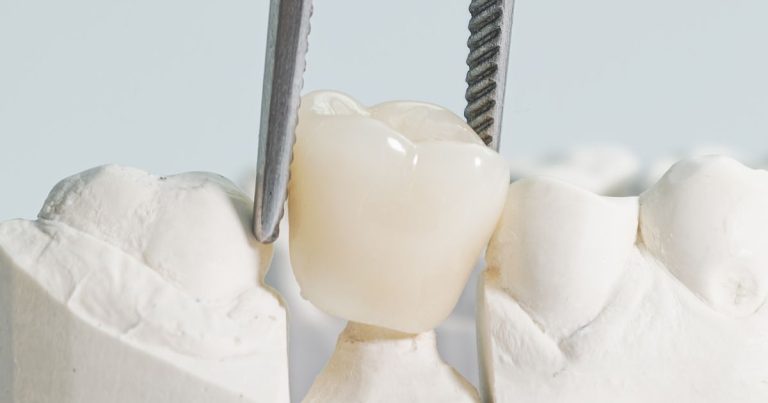
Modern dental technology has introduced convenient options like CEREC same-day crowns for restoring damaged teeth. Unlike traditional crowns that require multiple visits and temporary crowns, a CEREC crown is designed, milled, and placed in a single appointment. In this comprehensive guide, we’ll explain what CEREC crowns are, who might need one, how the procedure works, and what to expect before, during, and after treatment. We’ll also cover the benefits, potential drawbacks, alternatives, costs, and address common misconceptions about same-day crowns.   What Are CEREC Same-Day Crowns? A dental crown is a custom-made “cap” that covers a damaged or weakened

Read More »
Oral Cancer Screening

Oral Cancer Screening

Regular dental check-ups aren’t just about checking for cavities – they also include important preventive measures like oral cancer screenings. Dentists are often the first healthcare professionals to spot early signs of oral cancer during a routine in-office exam. In this article, we’ll explain what an oral cancer screening is, who should get them, what to expect during the exam, and why these quick, painless checks are such an essential part of preventive dental care. We’ll also address common myths, discuss HPV-related oral cancers and the HPV vaccine, and cover how often screenings are recommended and how insurance handles

Read More »
Amalgam Filling
Amalgam Fillings

Amalgam Fillings

What Are Amalgam Fillings? Amalgam fillings – often called “silver fillings” – are a common type of dental filling used to repair cavities caused by tooth decay. They are made from a mixture of metals, including liquid mercury and a powdered alloy of silver, tin, copper, and sometimes zinc. In fact, about 50% of an amalgam filling is elemental mercury by weight, which binds the other metals into a durable, solid filling. Amalgam has been used in dentistry for over 150 years as a safe, strong, and affordable restorative material. These silver-colored fillings are most often placed in back

Read More »

Related Post

CEREC Same-Day Crown
cem

CEREC Same-Day Crown

Modern dental technology has introduced convenient options like CEREC same-day crowns for restoring damaged teeth. Unlike traditional crowns that require multiple visits and temporary crowns, a CEREC crown is designed, milled, and placed in a single appointment. In this comprehensive guide, we’ll explain what CEREC crowns are, who might need one, how the procedure works, and what to expect before, during, and after treatment. We’ll also cover the benefits, potential drawbacks, alternatives, costs, and address common misconceptions about same-day crowns.   What Are CEREC Same-Day Crowns? A dental crown is a custom-made “cap” that covers a damaged or weakened

Read More »
Oral Cancer Screening
cem

Oral Cancer Screening

Regular dental check-ups aren’t just about checking for cavities – they also include important preventive measures like oral cancer screenings. Dentists are often the first healthcare professionals to spot early signs of oral cancer during a routine in-office exam. In this article, we’ll explain what an oral cancer screening is, who should get them, what to expect during the exam, and why these quick, painless checks are such an essential part of preventive dental care. We’ll also address common myths, discuss HPV-related oral cancers and the HPV vaccine, and cover how often screenings are recommended and how insurance handles

Read More »
Amalgam Filling
Amalgam Fillings
cem

Amalgam Fillings

What Are Amalgam Fillings? Amalgam fillings – often called “silver fillings” – are a common type of dental filling used to repair cavities caused by tooth decay. They are made from a mixture of metals, including liquid mercury and a powdered alloy of silver, tin, copper, and sometimes zinc. In fact, about 50% of an amalgam filling is elemental mercury by weight, which binds the other metals into a durable, solid filling. Amalgam has been used in dentistry for over 150 years as a safe, strong, and affordable restorative material. These silver-colored fillings are most often placed in back

Read More »
Skip to content