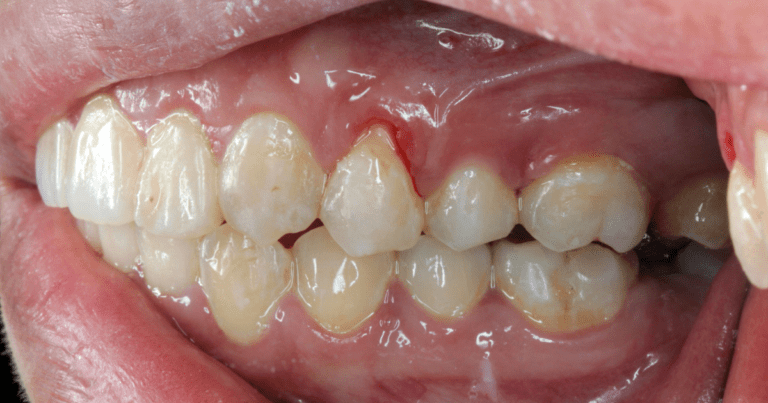
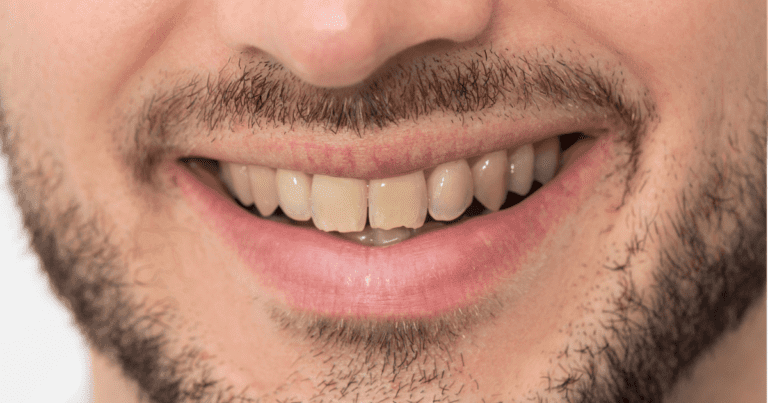
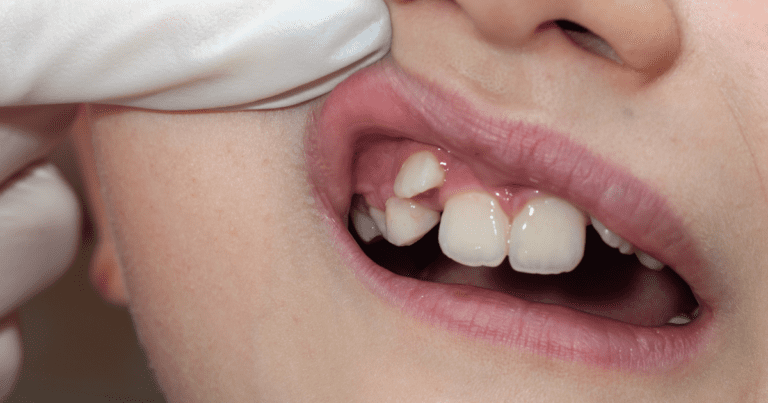
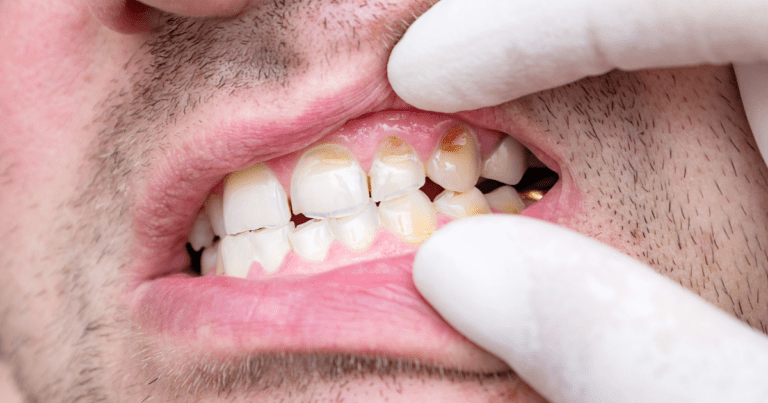
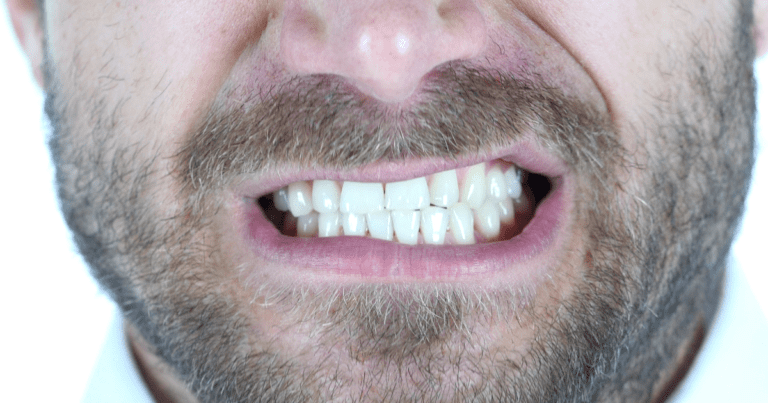
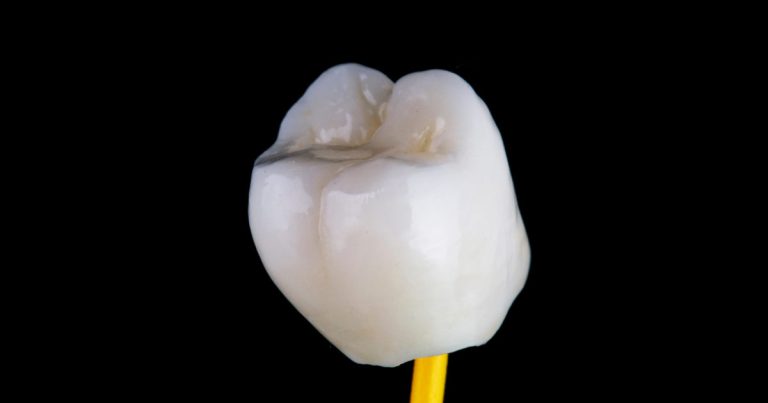
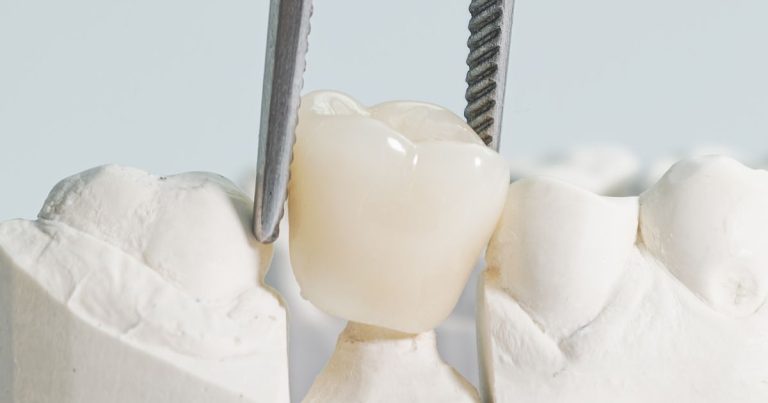
Oral health problems can show up in many different ways. You may notice tooth pain, bleeding gums, bad breath, gum recession, sensitivity, discoloration, or another change in your mouth that does not seem normal. Sometimes the cause is relatively minor. In other cases, it may point to tooth decay, gum disease, infection, enamel damage, or another condition that needs professional attention.
This section of Dentist Near Me Reviews is designed to help you better understand common oral conditions, their possible symptoms, and the kinds of treatments your dentist may recommend. Our goal is to explain these topics in clear, patient-friendly language so you can feel more informed before your next dental visit.
Understanding Oral Conditions
“Oral conditions” is a broad term that includes problems affecting the teeth, gums, bite, and other tissues in the mouth. Some conditions develop gradually over time, while others appear suddenly after an injury, infection, or change in habits. You may first notice a symptom such as pain, sensitivity, swelling, gum bleeding, or changes in the appearance of a tooth.
Because many oral health problems can look similar at first, it is important not to assume that a symptom has a simple cause. For example, tooth sensitivity might be related to worn enamel, gum recession, decay, grinding, or another issue entirely. Bad breath may come from oral hygiene issues, gum disease, dry mouth, or other underlying concerns. The right diagnosis matters, because the best treatment depends on the actual cause.
Why Paying Attention to Symptoms Matters
Small oral health problems can become bigger ones when they are ignored. A minor cavity may progress into deeper decay. Mild gum irritation can develop into more advanced periodontal disease. A chipped or cracked tooth may worsen over time, especially if it is left unprotected. In many cases, earlier treatment is simpler, less invasive, and more affordable than waiting until the problem becomes severe.
Paying attention to changes in your mouth can also help you know when to seek care sooner rather than later. Persistent pain, swelling, bleeding, a bad taste in the mouth, or a sudden change in a tooth’s color or position are all signs that it may be time to contact a dentist.
Explore Common Oral Conditions
Below, you can browse common dental and oral health concerns to learn more about what they are, what symptoms they may cause, and how dentists may diagnose and treat them.
What You May Find in This Section
Some of the topics covered in this section include conditions such as tooth sensitivity, bad breath, gum recession, gum disease, dental erosion, bruised teeth, and other common concerns that can affect comfort, appearance, and oral function. Each article is meant to help you better understand the issue, recognize common warning signs, and learn what kinds of dental care may help.
When to See a Dentist
You should consider contacting a dentist if you have:
- ongoing tooth pain or sensitivity
- bleeding, swollen, or receding gums
- persistent bad breath
- visible damage such as a chipped, cracked, or discolored tooth
- swelling, drainage, or signs of infection
- symptoms that are getting worse instead of improving
A dentist can examine the area, identify the cause, and recommend appropriate treatment. While educational resources can help you understand common possibilities, they cannot replace an in-person diagnosis.
Learn More About Your Oral Health
Use the articles in this section to explore common oral conditions, understand what your symptoms may mean, and learn about possible treatment options. The more you know about your oral health, the easier it becomes to ask questions, recognize warning signs, and take the next step toward protecting your smile.