Tooth Brushing

What’s the Best Way to Brush My Teeth?

You should brush at least twice a day, for about 2 minutes each time.
To brush properly:

  • Hold the brush at a 45-degree angle to your gums.
  • Move the brush gently back and forth in short strokes.
  • Be sure to brush the entire surfaces of your teeth—the outer surfaces, the inner surfaces, the chewing surfaces, and even the backs of those hard-to-reach molars.
  • For the inside surfaces of your front teeth, tilt your brush vertically and brush with up-and-down strokes.
  • Don’t brush too hard! Plaque only needs to be brushed gently to be removed, and too much force can hurt your enamel.


Some other important factors:

  • Be sure to use a brush with soft bristles. Hard bristles can wear down your tooth enamel, causing it two weaken.
  • You should replace your toothbrush every 3 to 4 months.
  • Use a toothpaste with fluoride.

Here’s a video from the American Dental Association to show you how it’s done.

Caring for Your Toothbrush

Brushing and flossing properly is crucial to good oral health, but caring for your toothbrush is something that often goes overlooked, even though it’s important as well. If your toothbrush is not properly taken care of it can spread more germs into your mouth and not clean your teeth properly. For proper toothbrush care, be sure to keep the following in mind:

Rinse off the toothbrush
After you brush your teeth, make sure you rinse off your toothbrush completely with water. You should also allow it to air-dry. If you store your toothbrush in a container, the moisture can create an environment that allows microorganisms to grow.

Do not share your toothbrush
Sharing a toothbrush can lead to an increased risk of infection.

Replace your toothbrush
It is recommended that you replace your toothbrush every 3-4 months. The bristles become worn and less effective over time.

What Kind of Toothbrush Should I Use?

There are a lot of choices out there when it comes to toothbrushes, but the big question may come down to whether you should use an electric or a traditional toothbrush.

The short answer is that either type, when used with proper technique for the appropriate amount of time, can effectively clean your teeth. However, electric toothbrushes tend to make doing it properly a lot easier.

So, the real divider is ease.

With a manual brush, diligence is key. It is recommended that in order to maintain a healthy smile, brushing your teeth for two minutes twice a day is key. Regular toothbrushes have the benefits of being inexpensive, travel-friendly, and don’t require batteries or to be charged before use.

Electric toothbrushes have gained popularity for their ability to do all of the work for the user. With the option of different style brush heads and modes, like whitening, sensitivity, and deep cleaning, it makes a thorough teeth cleaning simple. Some electric options are even equipped to time how long the user is spending brushing one area and alerts the user to move to a different quadrant through vibrations.

Additionally, electronic toothbrushes are ideal for those for whom brushing can be troublesome. For people with issues such as coordination problems, arthritis, orthodontic brackets, or gum disease, electric toothbrushes can make it easier for them to reach every area of their teeth. Children can benefit from electric toothbrushes as well, as kids find them more interesting and they help do some of the brushing for them.

The ADA suggests that the real deciding factor is the person doing the brushing (and how they brush) more than the toothbrush itself. Link: Ultimately, the choice is yours, but for most people, an electric toothbrush can help make cleaning your teeth a little bit easier.

Related Post

Porcelain Crown
Porcelain Crowns

Porcelain Crowns

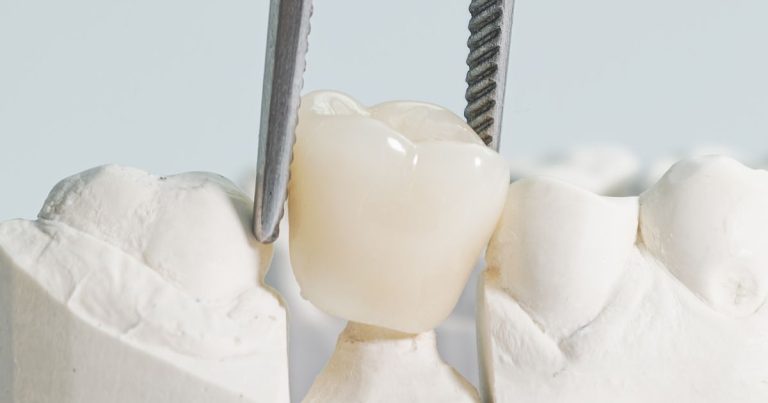
Introduction A porcelain crown is one of the most common options patients ask about when they need a tooth restored and still want it to look natural. Maybe a tooth broke. Maybe an old filling is too large to repair again. Maybe a root-canal-treated tooth needs more protection. Or maybe a front tooth is dark, worn, misshapen, or covered by an old crown that no longer blends in. “Porcelain crown” sounds simple, but it can mean several different things in modern dentistry. Some crowns are porcelain fused to metal. Some are all-ceramic. Some are zirconia. Some are lithium disilicate.

Read More »
Nightguards
Nightguards

Nightguards

Introduction Many people first hear about nightguards after a dentist points out worn teeth, cracked fillings, chipped enamel, sore jaw muscles, or damage to expensive dental work. Others search for nightguards because they wake up with jaw pain, headaches, tooth sensitivity, or because a partner hears them grinding their teeth at night. A nightguard can be a helpful protective appliance, but it is often misunderstood. It does not necessarily “cure” grinding. It does not automatically fix every jaw problem. It is not the same as a sports mouthguard. It is not the same as a sleep apnea oral appliance.

Read More »
snap-on smile
Snap-On Smile

Snap-On Smile

Introduction Snap-On Smile is one of those dental topics that can sound almost too good to be true. Patients often find it while searching for a fast way to improve their smile without drilling, shots, braces, veneers, crowns, implants, or a long treatment plan. That interest is understandable. Many people feel embarrassed about stained teeth, gaps, chips, missing teeth, worn teeth, old dental work, or a smile that no longer looks the way they want. Others are anxious about dental treatment, worried about cost, or not ready to commit to permanent cosmetic dentistry. Snap-On Smile may be a helpful

Read More »

Related Post

Porcelain Crown
Porcelain Crowns
cem

Porcelain Crowns

Introduction A porcelain crown is one of the most common options patients ask about when they need a tooth restored and still want it to look natural. Maybe a tooth broke. Maybe an old filling is too large to repair again. Maybe a root-canal-treated tooth needs more protection. Or maybe a front tooth is dark, worn, misshapen, or covered by an old crown that no longer blends in. “Porcelain crown” sounds simple, but it can mean several different things in modern dentistry. Some crowns are porcelain fused to metal. Some are all-ceramic. Some are zirconia. Some are lithium disilicate.

Read More »
Nightguards
Nightguards
cem

Nightguards

Introduction Many people first hear about nightguards after a dentist points out worn teeth, cracked fillings, chipped enamel, sore jaw muscles, or damage to expensive dental work. Others search for nightguards because they wake up with jaw pain, headaches, tooth sensitivity, or because a partner hears them grinding their teeth at night. A nightguard can be a helpful protective appliance, but it is often misunderstood. It does not necessarily “cure” grinding. It does not automatically fix every jaw problem. It is not the same as a sports mouthguard. It is not the same as a sleep apnea oral appliance.

Read More »
snap-on smile
Snap-On Smile
cem

Snap-On Smile

Introduction Snap-On Smile is one of those dental topics that can sound almost too good to be true. Patients often find it while searching for a fast way to improve their smile without drilling, shots, braces, veneers, crowns, implants, or a long treatment plan. That interest is understandable. Many people feel embarrassed about stained teeth, gaps, chips, missing teeth, worn teeth, old dental work, or a smile that no longer looks the way they want. Others are anxious about dental treatment, worried about cost, or not ready to commit to permanent cosmetic dentistry. Snap-On Smile may be a helpful

Read More »
Skip to content