Orofacial Pain: Understanding Chronic Facial Pain, TMD, Headaches & Jaw Disorders
Orofacial Pain is the specialty focused on diagnosing, managing, and treating chronic or acute pain conditions involving the face, jaws, mouth, head, and related structures. Because these conditions can be complex, overlapping, and difficult to diagnose, Orofacial Pain specialists receive advanced training in neurology, pain medicine, physical medicine, psychology, and dentistry to identify the cause and help patients find relief.
Pain in the facial region may come from nerves, muscles, joints, teeth, soft tissues, or even systemic conditions, and often requires specialized evaluation to determine the correct diagnosis and treatment plan.
This page will help you understand what Orofacial Pain includes, common conditions, and the many evidence-based treatment options available.
What Is an Orofacial Pain Specialist?
Orofacial Pain is one of the newest specialties recognized by the American Dental Association (ADA). These specialists undergo extensive post-doctoral training in:
- Temporomandibular disorders (TMD)
- Neuropathic facial pain
- Headaches related to oral or jaw structures
- Sleep-related oral pain
- Musculoskeletal disorders of the head and neck
- Behavioral and psychological aspects of chronic pain
Patients often see an Orofacial Pain specialist when other medical or dental providers have been unable to pinpoint the cause of persistent or unexplained pain.
Common Signs & Symptoms of Orofacial Pain Disorders
People seek evaluation for a wide range of symptoms, including:
- Jaw pain or clicking
- Chronic headaches or facial pressure
- Pain when chewing or talking
- Facial burning, tingling, or electric-shock sensations
- Ear pain without infection
- Neck pain or stiffness
- Pain triggered by stress, clenching, or grinding
- Unexplained toothaches
- Sleep disturbance related to pain
- Limited jaw opening
Because many conditions present with similar symptoms, accurate diagnosis is essential.
Common Orofacial Pain Conditions
Below are the primary categories of disorders treated within Orofacial Pain.
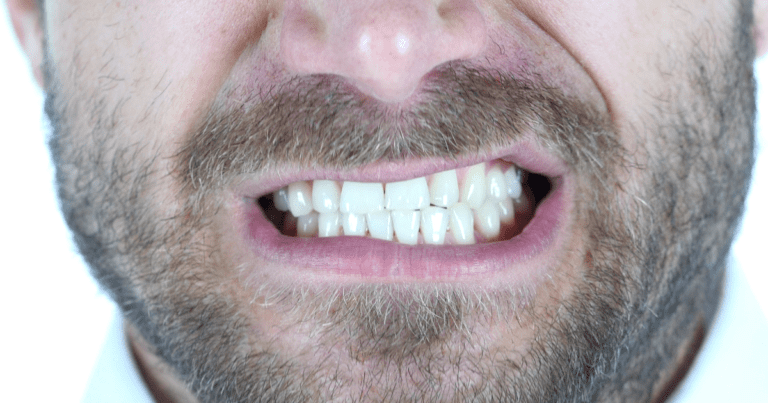
Bruxism (Teeth Grinding & Clenching)
Bruxism can occur while awake or during sleep and may result in:
- Facial or jaw muscle pain
- Worn or fractured teeth
- Headaches
- TMJ strain
- Tooth sensitivity
Treatments may include nightguards, stress management, physical therapy, behavioral approaches, or therapeutic injections.
Temporomandibular Disorders (TMD / TMJ Disorders)
TMD refers to dysfunction or inflammation involving the temporomandibular joint (TMJ), surrounding muscles, or ligaments.
Common symptoms:
- Clicking, popping, or grinding in the jaw
- Pain around the TMJ
- Limited opening or locking of the jaw
- Ear pain or ringing
- Headaches
Treatments for TMD may include:
- Oral appliances (stabilization splints)
- Muscle therapy or physical therapy
- Therapeutic injections (trigger-point injections, Botox®, anesthetics)
- Medications to reduce inflammation or relax muscles
- Jaw exercises
- Stress management or cognitive behavioral therapy
- Cold/heat therapy
Craniomandibular Disorders
A broader category that includes TMD and muscular imbalances affecting chewing, speech, and head posture. Treatment may involve multidisciplinary care with dentistry, physical therapy, and sleep medicine.
Neuropathic Orofacial Pain
Orofacial Pain specialists diagnose and treat several nerve-related pain disorders that can mimic dental problems.
Trigeminal Neuralgia
A severe, electric-shock-like pain affecting branches of the trigeminal nerve. Commonly triggered by touching the face, chewing, or speaking.
Post-Traumatic Trigeminal Neuropathy (PTTN)
May occur after dental injections, extractions, trauma, or surgery.
Burning Mouth Syndrome
Chronic burning or tingling sensation without an identifiable cause.
Glossopharyngeal Neuralgia
Sharp pain affecting the throat, ear, or tongue.
Atypical Odontalgia (“Phantom Tooth Pain”)
Persistent tooth pain without dental pathology—often misdiagnosed.
Treatment varies from medications (anticonvulsants, antidepressants) to nerve blocks and psychosocial therapies.
Headache Disorders Related to Orofacial Structures
Orofacial Pain specialists also treat headaches caused or influenced by oral and facial anatomy.
Tension-Type Headaches
Often linked to muscle tension, bruxism, or posture issues.
Migraine Associated With TMJ Dysfunction
TMJ inflammation and muscle fatigue can aggravate migraine frequency.
Cluster & Neuralgiform Headaches
Severe and episodic; require specialized diagnostic evaluation.
Referred Tooth or Jaw Pain
Pain from the neck, sinuses, or jaw muscles can feel like a toothache.
Systemic Conditions With Orofacial Pain Symptoms
Fibromyalgia
Many patients with fibromyalgia experience facial pain, jaw stiffness, headaches, and TMD symptoms.
Arthritis (Rheumatoid or Osteoarthritis)
Can affect the TMJ, leading to chronic pain and limited motion.
Autoimmune Disorders
Conditions such as Sjögren’s syndrome may cause dry mouth, burning, or neuropathic pain.
Orofacial Pain specialists often coordinate care with rheumatologists, neurologists, and other medical providers to manage these complex conditions.
Treatment Approaches in Orofacial Pain
Because facial pain has diverse causes, treatment plans are highly individualized. The following categories represent commonly used methods.
Oral Appliances & Splints
Custom-made appliances help reduce bruxism, stabilize the jaw, or reposition it to decrease muscle strain.
Therapeutic Injections
Used to relax tense muscles, block pain, or reduce inflammation.
May include:
- Trigger-point injections
- Botox® for chronic muscle tension
- Local anesthetic blocks
- Steroid injections
- Nerve blocks for neuropathic pain
Medications
Dependent on the diagnosis, these may include:
- Anti-inflammatory medications
- Muscle relaxants
- Neuropathic pain medications (e.g., anticonvulsants, TCAs)
- Topical analgesics
- Short-term use of pain relievers
Physical Therapy & Jaw Exercises
Improves joint mobility, reduces pain, and retrains muscles. May include:
- Stretching
- Posture correction
- Myofascial release
- Ultrasound therapy
- Jaw strengthening or relaxation exercises
Behavioral & Psychological Approaches
Pain specialists often incorporate:
- Cognitive Behavioral Therapy (CBT)
- Stress and anxiety management
- Sleep hygiene improvement
- Habit awareness training
Many orofacial pain disorders worsen during stress, making psychological tools essential for long-term relief.
Lifestyle & Self-Care Strategies
Patients may be guided to:
- Apply heat or cold packs
- Avoid hard or chewy foods
- Practice jaw relaxation techniques
- Adjust posture (especially for computer users)
- Improve sleep positioning
- Use mindfulness or relaxation exercises
Advanced Interventions When Needed
For severe or persistent cases:
- Radiofrequency ablation for nerve pain
- Surgical TMJ interventions (rare and performed by oral surgeons)
- Collaboration with neurologists, pain clinics, or rheumatologists
Orofacial Pain specialists emphasize conservative, evidence-based treatment before considering more invasive methods.
Why Orofacial Pain Evaluation Matters
Facial pain often has overlapping symptoms, and misdiagnosis is common. Treating the wrong source of pain—such as performing dental work on a tooth that isn’t the real cause—can worsen the condition and delay relief.
A specialist evaluation helps:
- Identify the true cause of pain
- Avoid unnecessary dental procedures
- Create a targeted, evidence-based treatment plan
- Address the emotional and psychological aspects of chronic pain
- Improve long-term comfort and quality of life
Find an Orofacial Pain Specialist Near You
If you’re experiencing facial pain, chronic headaches, jaw discomfort, or unexplained toothache, our Dentist Directory can help you locate an Orofacial Pain specialist near you. Patient reviews and detailed profiles help you choose the right provider for your needs.
FAQ: Orofacial Pain
Is Orofacial Pain the same as TMD?
No. TMD is one category of orofacial pain. Orofacial Pain specialists treat TMD and neurological, musculoskeletal, and systemic conditions that cause facial pain.
What causes chronic facial pain?
Common causes include jaw joint disorders, nerve pain, bruxism, injuries, arthritis, muscle tension, stress, and systemic conditions like fibromyalgia.
Can a dentist diagnose headaches?
Orofacial Pain specialists can evaluate whether jaw, teeth, or facial structures contribute to headaches and develop appropriate treatment.
Is surgery ever required?
Most orofacial pain conditions are treated conservatively. Surgery is rarely needed and is typically reserved for severe structural TMJ problems.
Will a nightguard help my jaw pain?
For many patients, yes—but not all. A specialist evaluation ensures the treatment matches the underlying cause.