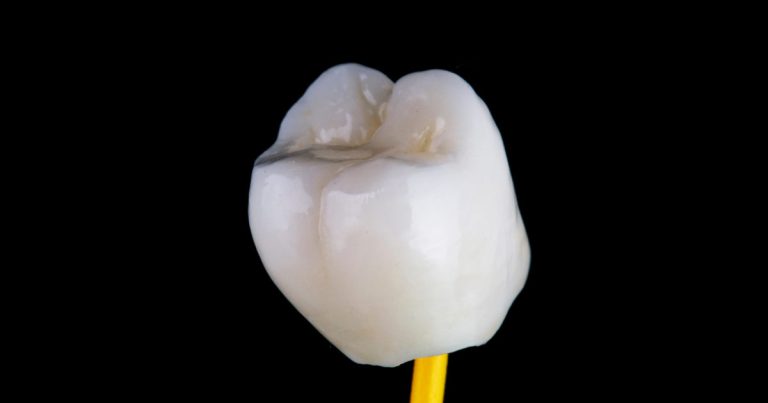
Chipped Tooth

Whether due to excessive force or regular wear and tear, occasionally the enamel of a tooth can chip. Depending on the location and severity of the chip, it can be more than a cosmetic issue, resulting in pain or sensitivity to hot or cold temperatures.

Chipped teeth differ from cracked teeth in that the tooth has broken in such a way that a large or small piece of enamel has fragmented off.

What causes teeth to chip?

Common causes of chipped teeth include:

  • Biting on hard food or other substances
  • Accidents of falls, including sports injuries
  • Teeth grinding
  • Misaligned bite
  • Tongue or mouth piercings

Teeth enamel is one of the strongest substances in the body, but teeth can be weakened by a number of things, making them more prone to chipping. Some things that can put you at greater risk of chipping a tooth include:

  • Tooth decay
  • Large fillings
  • Worn enamel due to bruxism
  • Eating acidic foods
  • Eating foods high in sugar (which causes acid to form in the mouth)
  • Acid reflux
  • Normal enamel wear over time

What are the symptoms of a chipped tooth?

It’s entirely possible to not realize that you have a chipped tooth if the chip is minor or not somewhere you can easily see. Here are some possible signs you may encounter, however:
– Noticing a jagged surface with your tongue—tongue irritation from rubbing the surface
– Gums may become irritated around the chipped tooth
– There can be pain when biting on the tooth if the chip exposes the nerves of the tooth

What treatment options are available for chipped teeth?

If you suspect you may have a chipped tooth, contact your dentist for an exam. If you are experiencing no major pain or issues with eating, this may not be an emergency, but it’s a good idea to have it addressed in a timely way so as to prevent the enamel damage from getting worse or an infection from developing, depending on the nature of the chip the tooth.

Reattachment
In the event that you can save the tooth fragment, there is a possibility that it can be cemented back into place. If this is the case, place the tooth fragment in a glass of milk to help keep it moist.

Tooth Contouring
This method is used for shallow chips. The dentist will remove a small amount of the tooth’s enamel, smoothing out the surface of your tooth and making it look as though nothing ever happened.

Dental Bonding
Dental bonding is a typical treatment option for addressing a chip in a tooth. Bonding uses a tooth-colored composite resin to fill in the chipped area and restore the tooth to its original shape.

Veneers
Depending on the visibility and extent of the tooth damage, a veneer is another possible treatment option. Veneers cover the entire front-facing portion of the tooth with a thin layer of porcelain, giving the tooth a completely new appearance.

Onlays
Onlays can be used to replace a chipped portion of the surface of a molar. These are a type of restoration partway between a filling and a crown that is custom-made to replace the damaged portion of the tooth, such as a broken cusp.

Related Post

Porcelain Crown
Porcelain Crowns

Porcelain Crowns

Introduction A porcelain crown is one of the most common options patients ask about when they need a tooth restored and still want it to look natural. Maybe a tooth broke. Maybe an old filling is too large to repair again. Maybe a root-canal-treated tooth needs more protection. Or maybe a front tooth is dark, worn, misshapen, or covered by an old crown that no longer blends in. “Porcelain crown” sounds simple, but it can mean several different things in modern dentistry. Some crowns are porcelain fused to metal. Some are all-ceramic. Some are zirconia. Some are lithium disilicate.

Read More »
Nightguards
Nightguards

Nightguards

Introduction Many people first hear about nightguards after a dentist points out worn teeth, cracked fillings, chipped enamel, sore jaw muscles, or damage to expensive dental work. Others search for nightguards because they wake up with jaw pain, headaches, tooth sensitivity, or because a partner hears them grinding their teeth at night. A nightguard can be a helpful protective appliance, but it is often misunderstood. It does not necessarily “cure” grinding. It does not automatically fix every jaw problem. It is not the same as a sports mouthguard. It is not the same as a sleep apnea oral appliance.

Read More »
snap-on smile
Snap-On Smile

Snap-On Smile

Introduction Snap-On Smile is one of those dental topics that can sound almost too good to be true. Patients often find it while searching for a fast way to improve their smile without drilling, shots, braces, veneers, crowns, implants, or a long treatment plan. That interest is understandable. Many people feel embarrassed about stained teeth, gaps, chips, missing teeth, worn teeth, old dental work, or a smile that no longer looks the way they want. Others are anxious about dental treatment, worried about cost, or not ready to commit to permanent cosmetic dentistry. Snap-On Smile may be a helpful

Read More »

Related Post

Porcelain Crown
Porcelain Crowns
cem

Porcelain Crowns

Introduction A porcelain crown is one of the most common options patients ask about when they need a tooth restored and still want it to look natural. Maybe a tooth broke. Maybe an old filling is too large to repair again. Maybe a root-canal-treated tooth needs more protection. Or maybe a front tooth is dark, worn, misshapen, or covered by an old crown that no longer blends in. “Porcelain crown” sounds simple, but it can mean several different things in modern dentistry. Some crowns are porcelain fused to metal. Some are all-ceramic. Some are zirconia. Some are lithium disilicate.

Read More »
Nightguards
Nightguards
cem

Nightguards

Introduction Many people first hear about nightguards after a dentist points out worn teeth, cracked fillings, chipped enamel, sore jaw muscles, or damage to expensive dental work. Others search for nightguards because they wake up with jaw pain, headaches, tooth sensitivity, or because a partner hears them grinding their teeth at night. A nightguard can be a helpful protective appliance, but it is often misunderstood. It does not necessarily “cure” grinding. It does not automatically fix every jaw problem. It is not the same as a sports mouthguard. It is not the same as a sleep apnea oral appliance.

Read More »
snap-on smile
Snap-On Smile
cem

Snap-On Smile

Introduction Snap-On Smile is one of those dental topics that can sound almost too good to be true. Patients often find it while searching for a fast way to improve their smile without drilling, shots, braces, veneers, crowns, implants, or a long treatment plan. That interest is understandable. Many people feel embarrassed about stained teeth, gaps, chips, missing teeth, worn teeth, old dental work, or a smile that no longer looks the way they want. Others are anxious about dental treatment, worried about cost, or not ready to commit to permanent cosmetic dentistry. Snap-On Smile may be a helpful

Read More »
Skip to content