Bruxism (Teeth Grinding and Clenching)

What is Bruxism?

Bruxism is a common dental condition characterized by clenching or grinding of the teeth. It often occurs unconsciously, particularly during sleep, but can also occur during waking hours. Bruxism can cause a range of oral health problems, including tooth damage, jaw pain, and headaches.

What can cause a person to clench or grind their teeth?

The exact cause of bruxism is unknown, but it is believed to be related to stress, anxiety, and tension. Some people may also grind their teeth due to sleep disorders, such as sleep apnea, or as a result of an irregular bite or misaligned teeth. Certain medications, alcohol and drug use, and caffeine consumption may also be contributing factors.

Are there any symptoms of bruxism to look out for?

Some of the common symptoms of bruxism include tooth sensitivity, jaw pain, headaches, and a dull, persistent toothache. You may also notice that your teeth are worn down, flat, or chipped. If you grind your teeth while you sleep, your partner may be able to hear the grinding or clenching sounds.

How can I tell if my teeth grinding is serious? When should I contact a dentist?

If you are experiencing any of the symptoms of bruxism, it is important to contact the dentist for an evaluation. Your dentist can determine the severity of your condition and recommend the appropriate treatment. In severe cases, bruxism can cause tooth damage and jaw problems, so it is important to seek treatment as soon as possible.

How can a dentist help? What types of treatment are available for Bruxism?

Treatment for bruxism will depend on the underlying cause and the severity of your condition. Your dentist may recommend a custom-fit mouthguard or splint to wear at night to protect your teeth from grinding. If stress or anxiety is contributing to your bruxism, the dentist may also refer you to a therapist or counselor. In severe cases, your dentist may recommend medication to help control muscle contractions.

What could happen if Bruxism is left untreated?

If left untreated, bruxism can cause significant tooth damage, jaw pain, and headaches. Over time, it can also lead to a temporomandibular joint (TMJ) disorder, which is a condition that affects the jaw joint. If you suspect that you have bruxism, it is important to seek treatment as soon as possible to prevent further damage to your teeth and jaw.

Can anything be done to prevent teeth grinding and clenching in the first place?

To prevent bruxism, it is important to manage stress and anxiety, avoid caffeine, and limit alcohol and drug use. Good sleep habits, such as avoiding naps and establishing a regular sleep schedule, can also help prevent bruxism.

Links
Stress

Sleep Apnea

Related Post

Porcelain Crown
Porcelain Crowns

Porcelain Crowns

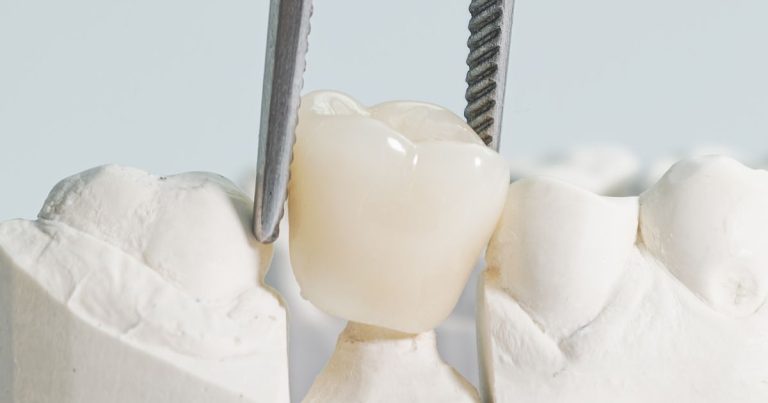
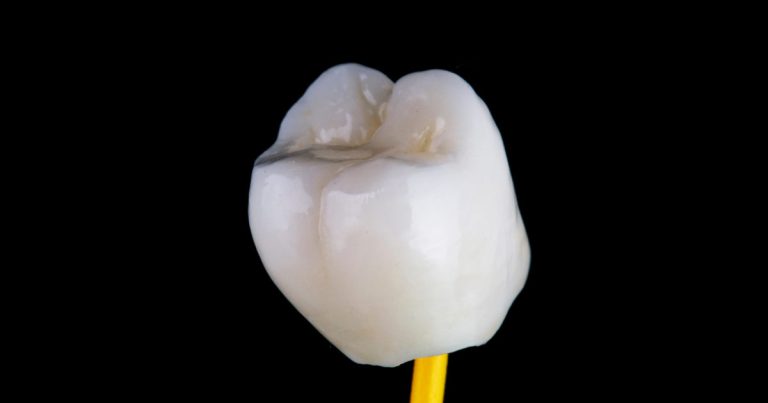
Introduction A porcelain crown is one of the most common options patients ask about when they need a tooth restored and still want it to look natural. Maybe a tooth broke. Maybe an old filling is too large to repair again. Maybe a root-canal-treated tooth needs more protection. Or maybe a front tooth is dark, worn, misshapen, or covered by an old crown that no longer blends in. “Porcelain crown” sounds simple, but it can mean several different things in modern dentistry. Some crowns are porcelain fused to metal. Some are all-ceramic. Some are zirconia. Some are lithium disilicate.

Read More »
Nightguards
Nightguards

Nightguards

Introduction Many people first hear about nightguards after a dentist points out worn teeth, cracked fillings, chipped enamel, sore jaw muscles, or damage to expensive dental work. Others search for nightguards because they wake up with jaw pain, headaches, tooth sensitivity, or because a partner hears them grinding their teeth at night. A nightguard can be a helpful protective appliance, but it is often misunderstood. It does not necessarily “cure” grinding. It does not automatically fix every jaw problem. It is not the same as a sports mouthguard. It is not the same as a sleep apnea oral appliance.

Read More »
snap-on smile
Snap-On Smile

Snap-On Smile

Introduction Snap-On Smile is one of those dental topics that can sound almost too good to be true. Patients often find it while searching for a fast way to improve their smile without drilling, shots, braces, veneers, crowns, implants, or a long treatment plan. That interest is understandable. Many people feel embarrassed about stained teeth, gaps, chips, missing teeth, worn teeth, old dental work, or a smile that no longer looks the way they want. Others are anxious about dental treatment, worried about cost, or not ready to commit to permanent cosmetic dentistry. Snap-On Smile may be a helpful

Read More »

Related Post

Porcelain Crown
Porcelain Crowns
cem

Porcelain Crowns

Introduction A porcelain crown is one of the most common options patients ask about when they need a tooth restored and still want it to look natural. Maybe a tooth broke. Maybe an old filling is too large to repair again. Maybe a root-canal-treated tooth needs more protection. Or maybe a front tooth is dark, worn, misshapen, or covered by an old crown that no longer blends in. “Porcelain crown” sounds simple, but it can mean several different things in modern dentistry. Some crowns are porcelain fused to metal. Some are all-ceramic. Some are zirconia. Some are lithium disilicate.

Read More »
Nightguards
Nightguards
cem

Nightguards

Introduction Many people first hear about nightguards after a dentist points out worn teeth, cracked fillings, chipped enamel, sore jaw muscles, or damage to expensive dental work. Others search for nightguards because they wake up with jaw pain, headaches, tooth sensitivity, or because a partner hears them grinding their teeth at night. A nightguard can be a helpful protective appliance, but it is often misunderstood. It does not necessarily “cure” grinding. It does not automatically fix every jaw problem. It is not the same as a sports mouthguard. It is not the same as a sleep apnea oral appliance.

Read More »
snap-on smile
Snap-On Smile
cem

Snap-On Smile

Introduction Snap-On Smile is one of those dental topics that can sound almost too good to be true. Patients often find it while searching for a fast way to improve their smile without drilling, shots, braces, veneers, crowns, implants, or a long treatment plan. That interest is understandable. Many people feel embarrassed about stained teeth, gaps, chips, missing teeth, worn teeth, old dental work, or a smile that no longer looks the way they want. Others are anxious about dental treatment, worried about cost, or not ready to commit to permanent cosmetic dentistry. Snap-On Smile may be a helpful

Read More »
Skip to content