Dental Emergencies

In the event of a dental emergency, call your dentist as soon as possible and let them know.

Possible dental emergencies include:

Severe cavity – Cavities won’t cause pain until they have gotten to the point where you may be in danger of losing a tooth. For this reason, a cavity that causes a toothache should be treated immediately. Contact your dentist if you find yourself in this situation. Avoid doing anything that may aggravate the tooth (such as exposing it to extreme temperatures). An over-the-counter pain reliever such as Tylenol or ibuprofen may help with the pain in the meantime. Getting fast treatment can help save the tooth and prevent damage to other areas of the mouth.

Cracked Tooth – Teeth can crack due to biting on hard foods, as a result of teeth-grinding, and may even happen over time as a result of aging. While some cracks can be small and harmless, others can damage the root of the tooth or even split the tooth into two or more parts. Cracks should be examined by your dentist as soon as possible in order to determine what form of treatment is required.

Avulsed tooth – If a tooth has been knocked out, you should make sure you handle it by the crown, not the root, in order to avoid damaging it. It’s best to reinsert it into the socket if possible, otherwise, place it in a glass of your own saliva, milk, saline, or a moistened paper towel and bring it with you. Time is crucial when it comes to saving the tooth, so be sure to see the dentist within 30 minutes to an hour if at all possible.

Lost filling – A filling that has fallen out should be replaced as soon as possible to prevent infection of the interior of the tooth.

Abscess – A bacterial infection can cause an abscess at the base or side of the tooth. These can happen because of untreated cavities or injury to the tooth, and they will not go away without treatment. Tylenol or ibuprofen can be taken for the pain, but do not place it directly on the tooth or gums as this may cause damage to the tissue.

Broken jaw – A broken or fractured jaw is a serious injury and should be treated immediately. If you are not able to reach someone at your dentist’s office, go to the ER immediately.

Related Post

Zirconia Crown
Zirconia Crowns

Zirconia Crowns

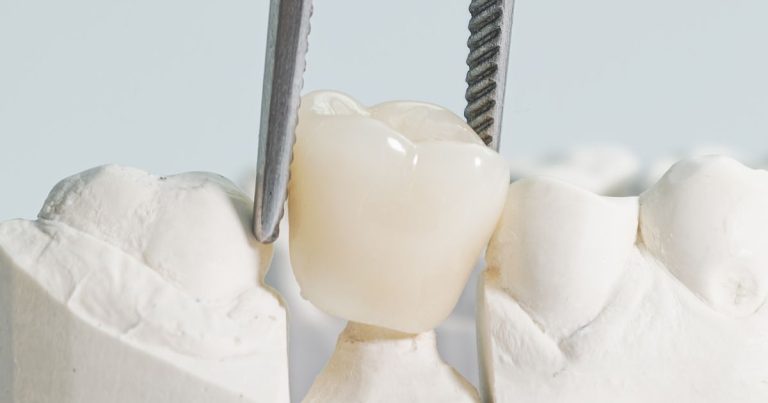
Introduction Zirconia crowns are one of the most common tooth-colored crown options patients hear about today. A dentist may recommend one for a cracked molar, a tooth with a large old filling, a tooth that has had root canal treatment, a worn-down tooth, or a back tooth that needs a strong restoration but still needs to look natural. Patients often ask simple-sounding questions: Is zirconia better than porcelain? Is it stronger than ceramic? Will it look fake? Is it safe? Will it wear down the tooth that bites against it? Is it worth the extra cost? The honest answer

Read More »
Flipper
Flipper

Flippers

A flipper is a type of removable dental prosthetic that is commonly used to replace one or more missing teeth. It is a lightweight, inexpensive, and relatively simple alternative to other types of dentures, such as traditional full or partial dentures.   What is a flipper? A flipper is a removable dental prosthetic that is designed to replace one or more missing teeth. It is typically made of a flexible plastic material and is shaped to fit over the remaining teeth. Flippers are held in place by the natural suction of the mouth, or by a small wire or

Read More »
Porcelain Crown
Porcelain Crowns

Porcelain Crowns

Introduction A porcelain crown is one of the most common options patients ask about when they need a tooth restored and still want it to look natural. Maybe a tooth broke. Maybe an old filling is too large to repair again. Maybe a root-canal-treated tooth needs more protection. Or maybe a front tooth is dark, worn, misshapen, or covered by an old crown that no longer blends in. “Porcelain crown” sounds simple, but it can mean several different things in modern dentistry. Some crowns are porcelain fused to metal. Some are all-ceramic. Some are zirconia. Some are lithium disilicate.

Read More »

Related Post

Zirconia Crown
Zirconia Crowns
cem

Zirconia Crowns

Introduction Zirconia crowns are one of the most common tooth-colored crown options patients hear about today. A dentist may recommend one for a cracked molar, a tooth with a large old filling, a tooth that has had root canal treatment, a worn-down tooth, or a back tooth that needs a strong restoration but still needs to look natural. Patients often ask simple-sounding questions: Is zirconia better than porcelain? Is it stronger than ceramic? Will it look fake? Is it safe? Will it wear down the tooth that bites against it? Is it worth the extra cost? The honest answer

Read More »
Flipper
Flipper
cem

Flippers

A flipper is a type of removable dental prosthetic that is commonly used to replace one or more missing teeth. It is a lightweight, inexpensive, and relatively simple alternative to other types of dentures, such as traditional full or partial dentures.   What is a flipper? A flipper is a removable dental prosthetic that is designed to replace one or more missing teeth. It is typically made of a flexible plastic material and is shaped to fit over the remaining teeth. Flippers are held in place by the natural suction of the mouth, or by a small wire or

Read More »
Porcelain Crown
Porcelain Crowns
cem

Porcelain Crowns

Introduction A porcelain crown is one of the most common options patients ask about when they need a tooth restored and still want it to look natural. Maybe a tooth broke. Maybe an old filling is too large to repair again. Maybe a root-canal-treated tooth needs more protection. Or maybe a front tooth is dark, worn, misshapen, or covered by an old crown that no longer blends in. “Porcelain crown” sounds simple, but it can mean several different things in modern dentistry. Some crowns are porcelain fused to metal. Some are all-ceramic. Some are zirconia. Some are lithium disilicate.

Read More »
Skip to content