A cracked or fractured tooth is a common problem. Teeth can crack due to biting on hard foods, as a result of teeth-grinding, and may even happen over time as a result of aging. The extent of these cracks can range from small and mostly harmless to cracks that can cause the entire tooth to split into two or more parts. In all cases, the crack should be examined as soon as possible by a dental professional in order to determine what form of treatment is required.
Cracks can happen in the crown of the tooth (the part that is above the gum line), or the root of the tooth (the part below the gum line). They can affect only one or all three of the layers of the tooth: enamel, dentin, and pulp. The teeth most likely to develop fractures are the front upper teeth, and the mandibular molars, which are teeth toward the back of your lower jaw. Cavities and/or injuries can increase the likeliness and extent of damage of a tooth fracture.
Symptoms of cracked teeth
While not every crack will result in pain or symptoms, some of the ones that do may result in:
- Pain while biting or chewing
- Toothache that comes and goes
- Sensitivity to temperature changes or sweet foods
- Swelling around the tooth
- Pain around the teeth and gums that is difficult to locate
Types and Treatment
Different types of cracks may require different treatments. This is due to the location and extent of the crack.
Craze Lines
These are very small cracks that do not go past the enamel of the tooth. They are very shallow and cause no pain. Craze lines are common in adults, and usually are no more than cosmetic concerns.
Fractured Cusp
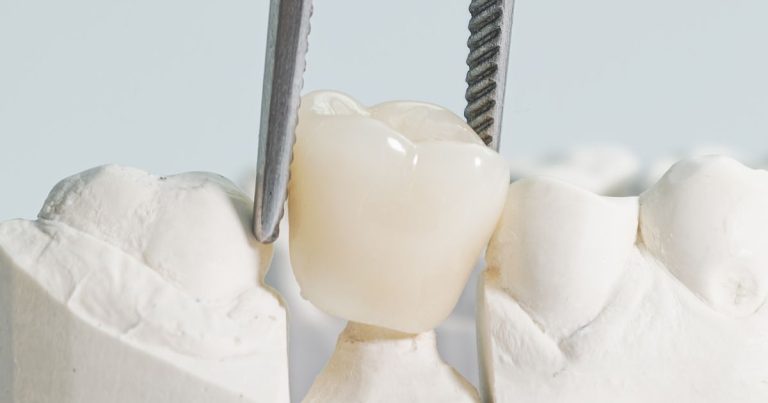
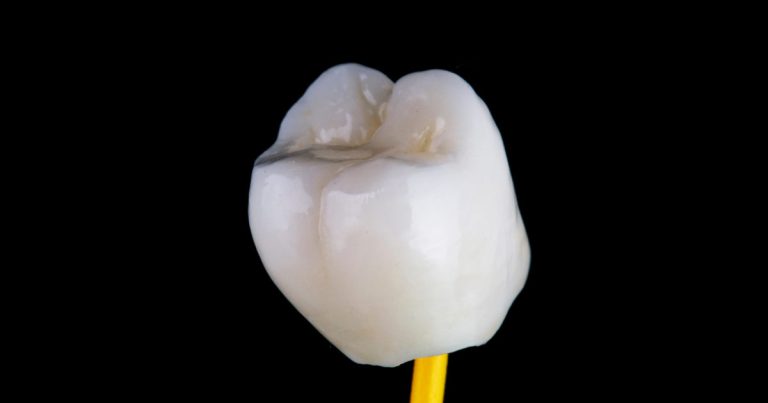
The cusp is part of the chewing surface of the tooth. Cracks here can often happen on teeth that have a filling. Fortunately, these usually don’t damage the pulp of the tooth and aren’t painful. Dental bonding or a new filling can repair the damage, or a crown might be suggested to protect the tooth.
Cracked Tooth
Usually, when a dentist talks about a cracked tooth, they’re referring to a crack that extends vertically from the chewing surface of the crown down toward the root of the tooth. This type of crack is at risk of spreading if not treated early. If the pulp of the tooth is damaged by the crack, saving the tooth may require root canal therapy.
The important thing is addressing the crack before it reaches the root of the tooth. If the crack reaches the root, it may no longer be possible to save the tooth, and an extraction could be recommended.
Split Tooth
Often the result of a cracked tooth that has progressed, a split tooth happens with a fracture that breaks the tooth into distinct parts. The location of the split will determine what parts of the tooth, if any, can be saved. Root canal treatment can sometimes be enough to save part of the tooth.
Vertical Root Fracture
These cracks begin at the root of the tooth and begin spreading up toward the chewing surface. Because of their location, they can easily go unnoticed and may only be discovered when the surrounding tissue becomes infected. Extraction of the tooth is the likely course of treatment, though, in some cases, a portion of the tooth may be saved through root canal therapy.
—
Links:
Tooth Anatomy – layers of the tooth
https://www.mouthhealthy.org/en/az-topics/t/tooth