











Patient Resources

Welcome to the Dentist Near Me Reviews Dental Patient Resources hub — your starting point for learning about dental care, oral health, and the treatment options available today.

Whether you are trying to understand a symptom, compare dental procedures, learn how to care for your teeth at home, or figure out what type of dentist you may need, this section is designed to help you find clear, patient-friendly information in one place. We break down common dental topics in straightforward language so you can feel more informed before your next appointment.

How to Use Our Dental Patient Resources

Everyone arrives here with a different question. Some people are dealing with tooth pain, bleeding gums, or a dental emergency. Others want to learn about cosmetic treatments, braces, dental implants, or newer technology their dentist has recommended. You may also be researching treatment costs, looking for the right kind of specialist, or trying to understand how oral health connects to overall health.

To make that easier, we’ve organized our patient resources into major topic areas. Use the sections below to explore by treatment type, symptom, specialty, or oral health goal.

Explore Our Dental Patient Resource Topics


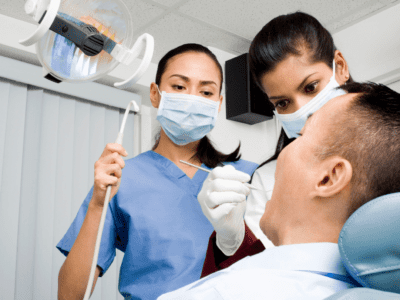
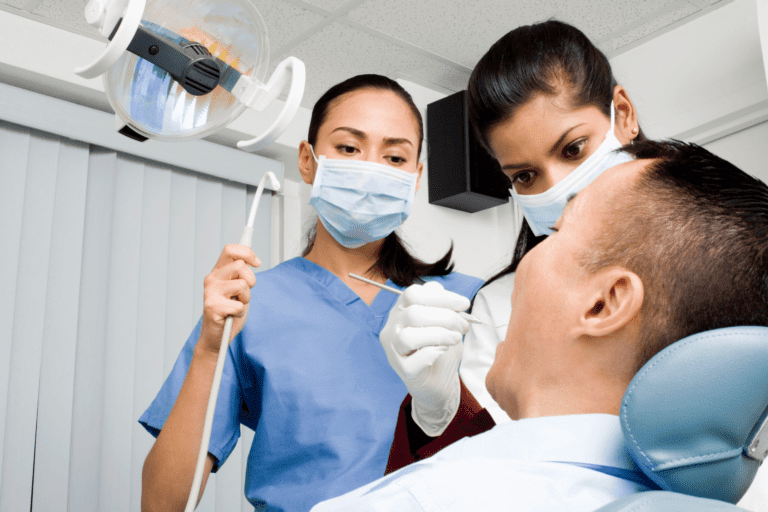
Not all dentists provide the same services. Some focus on general family care, while others specialize in areas such as orthodontics, gum disease treatment, root canals, oral surgery, pediatric dentistry, or facial pain. Our Types of Dentists section explains the differences between common dental specialties so you can better understand who treats what — and when you may need a general dentist versus a specialist.

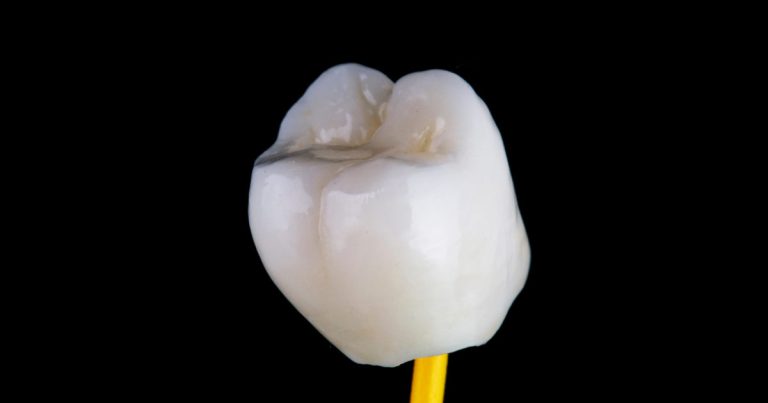
Dental procedures include the treatments dentists use to prevent problems, repair damage, improve appearance, relieve pain, and restore function. In this section, you can explore categories such as preventive care, restorative dentistry, cosmetic dentistry, orthodontics, periodontics, endodontics, pediatric dentistry, oral surgery, orofacial pain, and sleep-related dental care. If you are researching a specific treatment, this is one of the best places to start.

Dental problems do not always happen at convenient times. A severe toothache, a knocked-out tooth, swelling, bleeding, a broken tooth, or a lost crown can quickly become urgent. Our Dental Emergencies section is intended to help you understand what may qualify as a dental emergency, what steps you may be able to take right away, and when you should seek prompt professional care.

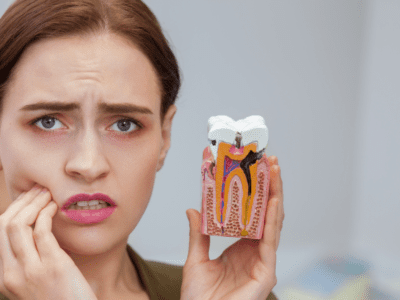
Many people start searching because something feels wrong — tooth sensitivity, gum recession, bad breath, dry mouth, mouth sores, tooth discoloration, bleeding gums, or other unusual symptoms. Our Oral Conditions section covers common dental and oral health problems, what may cause them, and the kinds of treatments or evaluations that may be recommended. It is designed to help you better understand possible concerns, not replace a professional diagnosis.

Your mouth does not exist in isolation from the rest of your body. Research continues to show important connections between oral health and overall health, including links involving inflammation, gum disease, diabetes, cardiovascular health, pregnancy, and more. Our Oral-Systemic Link section explores how conditions in the mouth may relate to the body as a whole, and why preventive dental care can be an important part of supporting general wellness.

Daily habits at home play a major role in protecting your teeth and gums. Brushing, flossing, fluoride, diet, mouthwash, and other home-care choices can affect everything from cavity risk to gum health and bad breath. Our Oral Home Care section focuses on practical guidance to help you build better habits, maintain your smile between dental visits, and understand when home care alone is not enough.

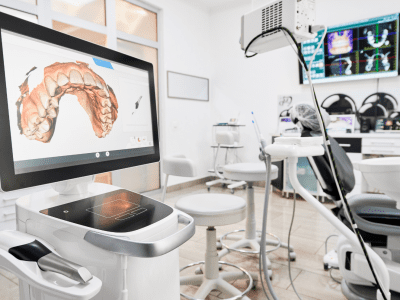
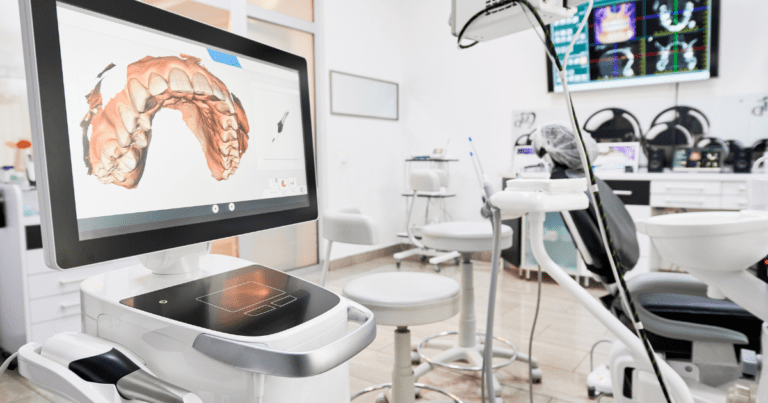
Modern dentistry involves far more than just drills and X-rays. Many dental offices now use advanced tools such as digital imaging, 3D scans, intraoral cameras, laser technology, CAD/CAM same-day restorations, and diagnostic aids that can improve precision, comfort, and treatment planning. Our Dental Technology section explains what these technologies are, how they are used, and what benefits they may offer patients.

Dental costs can vary based on the treatment, materials used, the complexity of the case, your location, and whether insurance is involved. Our Dental Cost Calculator section is designed to help you better understand the factors that may affect pricing and give you a more informed starting point when planning for care. It is a useful resource for patients who want to compare treatments, budget ahead, or prepare questions for the dental office.

There are many professional organizations in dentistry, from broad national groups to specialty-specific associations and state dental societies. These groups may help set standards, provide continuing education, support research, and offer resources for both dentists and patients. Our Dental Associations and Organizations section introduces some of the key groups in dentistry and helps explain why they may matter to you as a patient.

Looking for Something Specific?

You can browse by category above, explore featured articles below, or search our site for a specific topic such as:

  • teeth cleaning
  • dental implants
  • tooth sensitivity
  • root canal
  • braces
  • gum disease
  • dental emergency
  • oral cancer screening
  • sleep apnea dentist

Find a Dentist Near You

Learning about dental care is important, but sometimes the next step is finding the right dental office for your needs. If you are ready to take action, Dentist Near Me Reviews can also help you explore dentists in your area and learn more about the services they provide.

What Topic Are You Looking For?

Featured Posts

Ceramic Braces
Ceramic Braces

Ceramic Braces

What Are Ceramic Braces? Ceramic braces are a type of orthodontic appliance used to straighten teeth. They work much like traditional braces but use brackets made from clear or tooth-colored ceramic (porcelain) instead of metal. An archwire threaded through these brackets applies gentle, constant pressure to shift teeth into the desired position over time. Because the brackets and often the ties are designed to blend with your enamel, ceramic braces are sometimes called “clear braces” or “tooth-colored braces” – they are far less noticeable than shiny metal brackets. They can treat a wide range of alignment issues (crooked teeth,

Read More »
Orthodontic Retainers
Retainers

Retainers

What Are Orthodontic Retainers? Orthodontic retainers are custom-made devices designed to hold your teeth in their new positions after braces or clear aligners. When your orthodontic treatment is finished and the braces come off (or you finish your aligner series), a retainer is made specifically for your mouth. It fits snugly over or behind your teeth to keep them aligned. In essence, retainers ensure that all the hard work of straightening your teeth isn’t undone – they “retain” your smile’s new alignment. Retainers can be made of plastic, acrylic, and/or thin metal wires, depending on the type. Each retainer

Read More »
VELscope-oral-cancer-detection
VELscope

VELscope for Oral Cancer Detection

Oral cancer screening is a routine (and important) part of most dental checkups. In addition to the standard visual and tactile exam under white light, some dental offices use light-based technology such as VELscope to help identify tissue changes that may not be obvious to the naked eye. VELscope is not a substitute for a dentist’s exam or a biopsy—it’s considered an adjunctive tool that can help the dentist decide whether an area needs closer evaluation or referral.   Key takeaways VELscope uses blue light to make healthy vs. suspicious oral tissue look different by highlighting changes in natural

Read More »
Skip to content