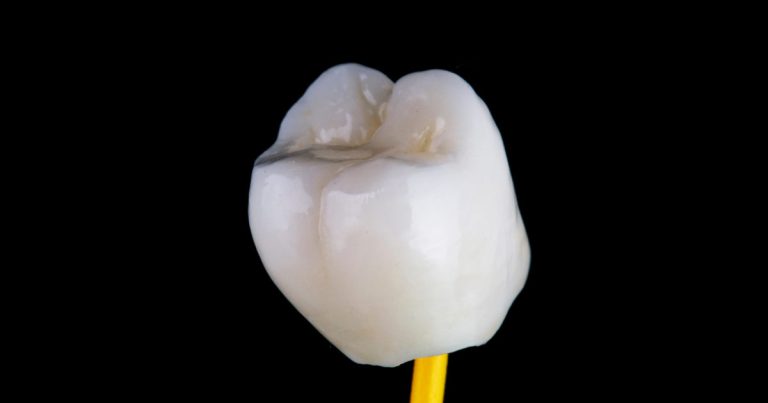
Toothache

A toothache is a type of pain that occurs in or around the teeth or jaws. It can range in intensity from a mild, dull ache to a sharp, stabbing pain. Toothaches can be caused by a variety of factors, and they can be a sign of underlying dental or oral health issues.

What oral conditions might a toothache be an indicator of?

Toothaches can be a sign of a number of different oral conditions, including:

  • Cavities: A cavity is a small hole in the tooth that is caused by tooth decay. Cavities can cause toothaches, especially if the decay reaches the inner part of the tooth, called the pulp.
  • Infection: An infection in the tooth or gum can cause a toothache. Infections can be caused by bacteria, fungi, or viruses, and they may require antibiotics to clear up.
  • Abscess: An abscess is a pocket of pus that forms as the body’s response to an infection. Abscesses can occur in the tooth or gum, and they can cause toothaches, swelling, and fever.
  • Tooth trauma: A toothache may be caused by trauma to the tooth, such as a chip or fracture.
  • Gum disease: Gum disease, also known as periodontitis, is a condition in which the gums become inflamed and infected. It can cause toothaches, as well as other symptoms such as bleeding gums and loose teeth.
  • Grinding or clenching: Grinding or clenching the teeth, also known as bruxism, can cause toothaches and other oral health problems.

When should I be concerned about a toothache?

A toothache is usually a sign of an underlying issue that needs to be addressed. If you have a toothache that persists for more than a few days, or if it is accompanied by other symptoms, such as fever, swelling, or difficulty swallowing, you should see the dentist as soon as possible.

How does the dentist treat a toothache?

The treatment for a toothache will depend on the underlying cause. Some common treatments include:

– Filling a cavity: If the toothache is caused by a cavity, your dentist will remove the decay and fill the hole with a composite filling.

– Treating an infection: If the toothache is caused by an infection, your dentist may prescribe antibiotics to clear up the infection. They may also need to remove the infected tooth or perform a root canal to remove the infected pulp from inside the tooth.

– Repairing tooth trauma: If the toothache is caused by tooth trauma, your dentist may need to repair the tooth with a filling, crown, or another type of dental restoration.

– Treating gum disease: If the toothache is caused by gum disease, the dentist will clean the teeth and gums to remove the bacteria that are causing the infection. They may also recommend medications or procedures to help control the infection and prevent it from recurring.

– Treating grinding or clenching: If the toothache is caused by grinding or clenching the teeth, the dentist may recommend a mouthguard to protect the teeth from further damage. They may also suggest strategies for managing stress and other factors that may contribute to grinding or clenching.

How long can I wait to have a toothache checked out by a dentist?

It is generally a good idea to see your dentist as soon as possible if you are experiencing a toothache. The longer you wait, the more likely it is that the underlying issue will become worse and more difficult to treat. If the toothache is severe or accompanied by other symptoms, such as fever, swelling, or difficulty swallowing, you should make an appointment right away.

Related Post

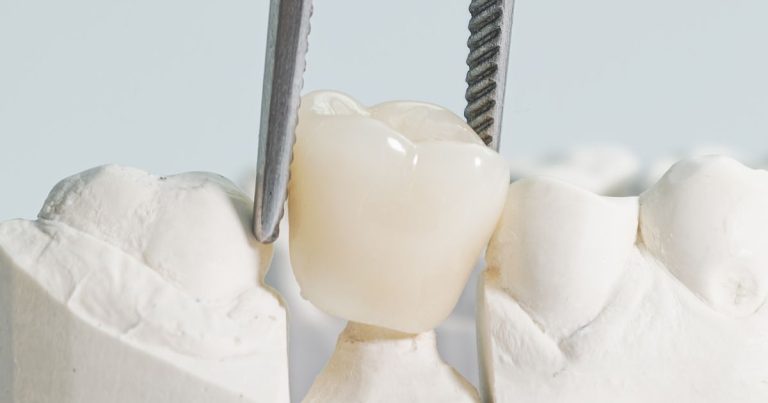
Porcelain Crown
Porcelain Crowns

Porcelain Crowns

Introduction A porcelain crown is one of the most common options patients ask about when they need a tooth restored and still want it to look natural. Maybe a tooth broke. Maybe an old filling is too large to repair again. Maybe a root-canal-treated tooth needs more protection. Or maybe a front tooth is dark, worn, misshapen, or covered by an old crown that no longer blends in. “Porcelain crown” sounds simple, but it can mean several different things in modern dentistry. Some crowns are porcelain fused to metal. Some are all-ceramic. Some are zirconia. Some are lithium disilicate.

Read More »
Nightguards
Nightguards

Nightguards

Introduction Many people first hear about nightguards after a dentist points out worn teeth, cracked fillings, chipped enamel, sore jaw muscles, or damage to expensive dental work. Others search for nightguards because they wake up with jaw pain, headaches, tooth sensitivity, or because a partner hears them grinding their teeth at night. A nightguard can be a helpful protective appliance, but it is often misunderstood. It does not necessarily “cure” grinding. It does not automatically fix every jaw problem. It is not the same as a sports mouthguard. It is not the same as a sleep apnea oral appliance.

Read More »
snap-on smile
Snap-On Smile

Snap-On Smile

Introduction Snap-On Smile is one of those dental topics that can sound almost too good to be true. Patients often find it while searching for a fast way to improve their smile without drilling, shots, braces, veneers, crowns, implants, or a long treatment plan. That interest is understandable. Many people feel embarrassed about stained teeth, gaps, chips, missing teeth, worn teeth, old dental work, or a smile that no longer looks the way they want. Others are anxious about dental treatment, worried about cost, or not ready to commit to permanent cosmetic dentistry. Snap-On Smile may be a helpful

Read More »

Related Post

Porcelain Crown
Porcelain Crowns
cem

Porcelain Crowns

Introduction A porcelain crown is one of the most common options patients ask about when they need a tooth restored and still want it to look natural. Maybe a tooth broke. Maybe an old filling is too large to repair again. Maybe a root-canal-treated tooth needs more protection. Or maybe a front tooth is dark, worn, misshapen, or covered by an old crown that no longer blends in. “Porcelain crown” sounds simple, but it can mean several different things in modern dentistry. Some crowns are porcelain fused to metal. Some are all-ceramic. Some are zirconia. Some are lithium disilicate.

Read More »
Nightguards
Nightguards
cem

Nightguards

Introduction Many people first hear about nightguards after a dentist points out worn teeth, cracked fillings, chipped enamel, sore jaw muscles, or damage to expensive dental work. Others search for nightguards because they wake up with jaw pain, headaches, tooth sensitivity, or because a partner hears them grinding their teeth at night. A nightguard can be a helpful protective appliance, but it is often misunderstood. It does not necessarily “cure” grinding. It does not automatically fix every jaw problem. It is not the same as a sports mouthguard. It is not the same as a sleep apnea oral appliance.

Read More »
snap-on smile
Snap-On Smile
cem

Snap-On Smile

Introduction Snap-On Smile is one of those dental topics that can sound almost too good to be true. Patients often find it while searching for a fast way to improve their smile without drilling, shots, braces, veneers, crowns, implants, or a long treatment plan. That interest is understandable. Many people feel embarrassed about stained teeth, gaps, chips, missing teeth, worn teeth, old dental work, or a smile that no longer looks the way they want. Others are anxious about dental treatment, worried about cost, or not ready to commit to permanent cosmetic dentistry. Snap-On Smile may be a helpful

Read More »
Skip to content