Bad Breath

Bad Breath

Each day, countless individuals around the globe find themselves struggling with a common yet annoying condition: bad breath, also known as halitosis. As a dental care provider, we believe in the power of patient education to bolster oral health. Let’s unpack everything you need to know about bad breath—it causes, symptoms, treatment options, and preventative measures.

Understanding Bad Breath

Halitosis, or as it’s more commonly known – bad breath, is a condition characterized by consistently poor-smelling breath. It’s not just a social inconvenience but often a sign of underlying dental or health issues, asserting the critical need for professional dental evaluation and advice.

The Causes of Bad Breath

Contrary to popular belief, poor oral hygiene is but one of the potential causes of bad breath. The stench most often results from food particles lingering in the mouth, combining with dental bacteria to cause foul-smelling breath.
Other common causes include:
  • Smoking and tobacco consumption
  • Dry mouth (xerostomia), which can be a side effect of certain medications or conditions
  • Certain diets and foods
  • Dental issues such as gum disease, cavities, and oral infections
  • Medical conditions such as diabetes, liver disease, and GERD

Identifying Bad Breath

While it seems simple, recognizing bad breath isn’t always straightforward due to a phenomenon called ‘olfactory fatigue.’ However, common signs beyond the noticeable bad smell may include a dry mouth, taste changes, and a coating on the tongue.

Treatment Options

Effectively treating bad breath starts with a dental exam to pinpoint contributing factors. Depending on the identified causes, we might recommend scaling and polish, fillings, or gum disease treatment. If necessary, we can refer patients to other medical professionals for illnesses outside the dental field.

Prevention Strategies

Bad breath is easier to prevent than treat:
  • Maintain good oral hygiene: brush twice a day, floss daily, and use a mouth rinse.
  • Regular dental check-ups: A professional tooth cleaning every six months helps keep your oral health on track.
  • Quit smoking: Besides bad breath, it improves overall health and reduces the risk of oral cancer.
  • Hydrate frequently: Keeping your mouth moisturized aids saliva production which eases food particle and bacteria removal.
  • Adjust your diet: Limit intake of garlic, onions, spices, and other foods that can cause bad breath.
Living with bad breath can be inconvenient and embarrassing, but with professional dental care, it’s a condition that’s both manageable and preventable. Remember, the first step in solving any problem is understanding it. We hope this comprehensive guide helps you better understand bad breath and how to tackle it head-on.

Related Post

Porcelain Crown
Porcelain Crowns

Porcelain Crowns

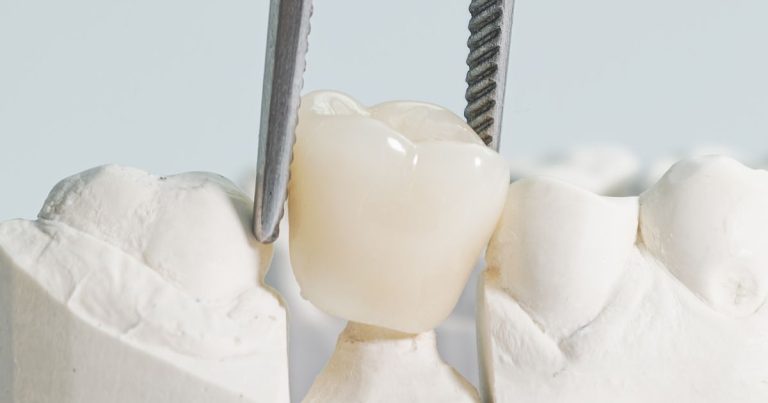
Introduction A porcelain crown is one of the most common options patients ask about when they need a tooth restored and still want it to look natural. Maybe a tooth broke. Maybe an old filling is too large to repair again. Maybe a root-canal-treated tooth needs more protection. Or maybe a front tooth is dark, worn, misshapen, or covered by an old crown that no longer blends in. “Porcelain crown” sounds simple, but it can mean several different things in modern dentistry. Some crowns are porcelain fused to metal. Some are all-ceramic. Some are zirconia. Some are lithium disilicate.

Read More »
Nightguards
Nightguards

Nightguards

Introduction Many people first hear about nightguards after a dentist points out worn teeth, cracked fillings, chipped enamel, sore jaw muscles, or damage to expensive dental work. Others search for nightguards because they wake up with jaw pain, headaches, tooth sensitivity, or because a partner hears them grinding their teeth at night. A nightguard can be a helpful protective appliance, but it is often misunderstood. It does not necessarily “cure” grinding. It does not automatically fix every jaw problem. It is not the same as a sports mouthguard. It is not the same as a sleep apnea oral appliance.

Read More »
snap-on smile
Snap-On Smile

Snap-On Smile

Introduction Snap-On Smile is one of those dental topics that can sound almost too good to be true. Patients often find it while searching for a fast way to improve their smile without drilling, shots, braces, veneers, crowns, implants, or a long treatment plan. That interest is understandable. Many people feel embarrassed about stained teeth, gaps, chips, missing teeth, worn teeth, old dental work, or a smile that no longer looks the way they want. Others are anxious about dental treatment, worried about cost, or not ready to commit to permanent cosmetic dentistry. Snap-On Smile may be a helpful

Read More »

Related Post

Porcelain Crown
Porcelain Crowns
cem

Porcelain Crowns

Introduction A porcelain crown is one of the most common options patients ask about when they need a tooth restored and still want it to look natural. Maybe a tooth broke. Maybe an old filling is too large to repair again. Maybe a root-canal-treated tooth needs more protection. Or maybe a front tooth is dark, worn, misshapen, or covered by an old crown that no longer blends in. “Porcelain crown” sounds simple, but it can mean several different things in modern dentistry. Some crowns are porcelain fused to metal. Some are all-ceramic. Some are zirconia. Some are lithium disilicate.

Read More »
Nightguards
Nightguards
cem

Nightguards

Introduction Many people first hear about nightguards after a dentist points out worn teeth, cracked fillings, chipped enamel, sore jaw muscles, or damage to expensive dental work. Others search for nightguards because they wake up with jaw pain, headaches, tooth sensitivity, or because a partner hears them grinding their teeth at night. A nightguard can be a helpful protective appliance, but it is often misunderstood. It does not necessarily “cure” grinding. It does not automatically fix every jaw problem. It is not the same as a sports mouthguard. It is not the same as a sleep apnea oral appliance.

Read More »
snap-on smile
Snap-On Smile
cem

Snap-On Smile

Introduction Snap-On Smile is one of those dental topics that can sound almost too good to be true. Patients often find it while searching for a fast way to improve their smile without drilling, shots, braces, veneers, crowns, implants, or a long treatment plan. That interest is understandable. Many people feel embarrassed about stained teeth, gaps, chips, missing teeth, worn teeth, old dental work, or a smile that no longer looks the way they want. Others are anxious about dental treatment, worried about cost, or not ready to commit to permanent cosmetic dentistry. Snap-On Smile may be a helpful

Read More »
Skip to content