Dental Erosion

Dental erosion is a type of tooth damage that occurs when acids wear away enamel, the hard outer surface of the tooth. This is a common issue that can affect people of all ages but is particularly prevalent in children and young adults. Dental erosion is differentiated from tooth decay by the source of the acid; with tooth decay, the acid is produced by oral bacteria, while dental erosion is due to acid from other sources.

What Causes Dental Erosion?

There are many different factors that can contribute to dental erosion. Some of the most
common causes include:

  • Consuming acidic foods and drinks: Many common beverages, such as soda and sports drinks, as well as some types of fruit, contain high levels of acid. These substances can soften and weaken the enamel, making it more prone to erosion.
  • Dry mouth: Saliva helps to neutralize acids in the mouth and protect the teeth from erosion. When the mouth is dry, there is less saliva to help neutralize acids, which can increase the risk of erosion.
  • Gastroesophageal reflux disease (GERD): This condition causes stomach acid to flow back into the esophagus and mouth, which can lead to erosion of the teeth.
  • Vomiting or bulimia: These behaviors expose the teeth to stomach acid, which can cause erosion. What are the Symptoms of Dental Erosion? The symptoms of dental erosion can vary depending on the severity of the damage. Some

common signs include:

  • Sensitivity to cold or hot beverages or foods
  • Yellowing or discoloration of the teeth
  • Visible pits or holes in the teeth
  • Thin, transparent edges on the front teeth
  • Worn or flattened biting surfaces on the back teeth

What treatments are available for Dental Erosion?

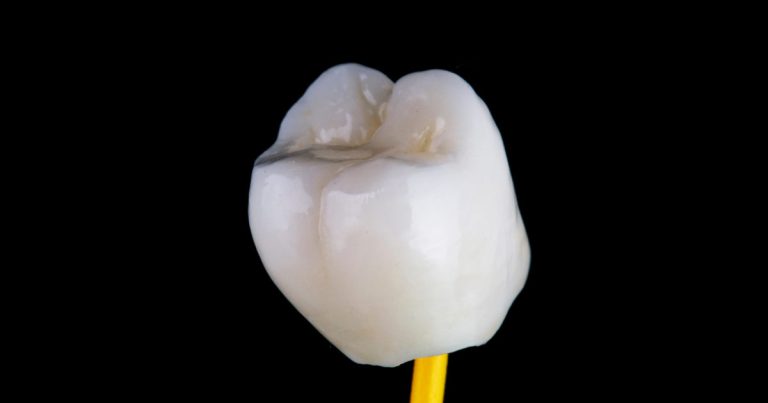
Treatment for dental erosion depends on the severity of the damage. In mild cases, your dentist may recommend using a toothpaste with fluoride to strengthen the enamel and protect the teeth. They may also suggest using a mouthwash or rinse to help neutralize acids in the mouth.  If the erosion is more advanced, your dentist may recommend a dental restoration, such as a filling or crown, to repair the damage. In severe cases, the damaged tooth may need to be extracted and replaced with a dental implant or bridge.

What are the effects of leaving Dental Erosion untreated? If dental erosion is left untreated, it can lead to a number of serious problems. The damaged enamel can make the teeth more prone to cavities and infections, and the teeth may become more sensitive to temperature and pressure changes. In severe cases, the teeth may become so damaged that they need to be extracted. In addition, dental erosion can also affect the appearance of the teeth, making them look yellow or worn.

How can Dental Erosion be prevented?

Prevention of dental erosion typically involves reducing tooth enamel’s exposure to acid.
Consider the following tips:

  • Avoid acidic foods and beverages, particularly between meals. When drinking acidic
    beverages, consider using a straw to help minimize acid exposure.
  • Don’t brush your teeth immediately after consuming acidic food, as can actually accelerate
    dental erosion. Instead, drink water and use it to rinse your mouth after an acidic meal. Allow a
    little time to pass before brushing.
  • Make sure you are using a soft-bristled toothbrush, as harder bristles and aggressive brushing
    can also cause tooth enamel to wear down (known as dental abrasion).
  • As saliva can help protect teeth from acid damage, chewing sugar-free gum can help, as it
    promotes salivary flow.
  • Milk can help neutralize acids, and can be included in meals that include acidic foods.
Related Post

CEREC Same-Day Crown

CEREC Same-Day Crown

Modern dental technology has introduced convenient options like CEREC same-day crowns for restoring damaged teeth. Unlike traditional crowns that require multiple visits and temporary crowns, a CEREC crown is designed, milled, and placed in a single appointment. In this comprehensive guide, we’ll explain what CEREC crowns are, who might need one, how the procedure works, and what to expect before, during, and after treatment. We’ll also cover the benefits, potential drawbacks, alternatives, costs, and address common misconceptions about same-day crowns.   What Are CEREC Same-Day Crowns? A dental crown is a custom-made “cap” that covers a damaged or weakened

Read More »
Oral Cancer Screening

Oral Cancer Screening

Regular dental check-ups aren’t just about checking for cavities – they also include important preventive measures like oral cancer screenings. Dentists are often the first healthcare professionals to spot early signs of oral cancer during a routine in-office exam. In this article, we’ll explain what an oral cancer screening is, who should get them, what to expect during the exam, and why these quick, painless checks are such an essential part of preventive dental care. We’ll also address common myths, discuss HPV-related oral cancers and the HPV vaccine, and cover how often screenings are recommended and how insurance handles

Read More »
Amalgam Filling
Amalgam Fillings

Amalgam Fillings

What Are Amalgam Fillings? Amalgam fillings – often called “silver fillings” – are a common type of dental filling used to repair cavities caused by tooth decay. They are made from a mixture of metals, including liquid mercury and a powdered alloy of silver, tin, copper, and sometimes zinc. In fact, about 50% of an amalgam filling is elemental mercury by weight, which binds the other metals into a durable, solid filling. Amalgam has been used in dentistry for over 150 years as a safe, strong, and affordable restorative material. These silver-colored fillings are most often placed in back

Read More »

Related Post

CEREC Same-Day Crown
cem

CEREC Same-Day Crown

Modern dental technology has introduced convenient options like CEREC same-day crowns for restoring damaged teeth. Unlike traditional crowns that require multiple visits and temporary crowns, a CEREC crown is designed, milled, and placed in a single appointment. In this comprehensive guide, we’ll explain what CEREC crowns are, who might need one, how the procedure works, and what to expect before, during, and after treatment. We’ll also cover the benefits, potential drawbacks, alternatives, costs, and address common misconceptions about same-day crowns.   What Are CEREC Same-Day Crowns? A dental crown is a custom-made “cap” that covers a damaged or weakened

Read More »
Oral Cancer Screening
cem

Oral Cancer Screening

Regular dental check-ups aren’t just about checking for cavities – they also include important preventive measures like oral cancer screenings. Dentists are often the first healthcare professionals to spot early signs of oral cancer during a routine in-office exam. In this article, we’ll explain what an oral cancer screening is, who should get them, what to expect during the exam, and why these quick, painless checks are such an essential part of preventive dental care. We’ll also address common myths, discuss HPV-related oral cancers and the HPV vaccine, and cover how often screenings are recommended and how insurance handles

Read More »
Amalgam Filling
Amalgam Fillings
cem

Amalgam Fillings

What Are Amalgam Fillings? Amalgam fillings – often called “silver fillings” – are a common type of dental filling used to repair cavities caused by tooth decay. They are made from a mixture of metals, including liquid mercury and a powdered alloy of silver, tin, copper, and sometimes zinc. In fact, about 50% of an amalgam filling is elemental mercury by weight, which binds the other metals into a durable, solid filling. Amalgam has been used in dentistry for over 150 years as a safe, strong, and affordable restorative material. These silver-colored fillings are most often placed in back

Read More »
Skip to content