What is Tooth Discoloration?
Tooth discoloration is a common oral health issue that can affect people of all ages, though it tends to be more common in adults. It occurs when the color of the teeth becomes changed or uneven, can affect one or more teeth, and can range from mild to severe.
What causes teeth to become discolred?
Teeth can become discolored for a variety of reasons, including:
- Aging: As we age, the outer layer of the teeth, called the enamel, becomes thinner, which can make the teeth appear more yellow.
- Smoking: Smoking and other tobacco use can cause the teeth to become yellow or brown.
- Certain medications: Some medications, such as antibiotics and antihistamines, can cause tooth discoloration.
- Poor oral hygiene: Poor oral hygiene can lead to the build-up of plaque and tartar, which can cause the teeth to become yellow or brown.
- Consumption of certain foods and drinks: Consuming foods and drinks that are high in acid or sugar can cause the teeth to become discolored over time. This includes drinks such as coffee, tea, and soda, as well as foods such as berries and other acidic fruits.
- Trauma: Teeth may become discolored following an injury that disrupts blood flow to the tooth or causes the nerve to die.
Is tooth discoloration ever a sign of a serious condition?
In most cases, tooth discoloration is not a sign of a serious condition. However, in some cases, it can be a sign of an underlying dental or oral health issue, such as tooth decay or gum disease. It is important to see a dentist if you are experiencing tooth discoloration, as they can help to determine the cause of the discoloration and recommend appropriate treatment.
What kinds of treatments are available for tooth discoloration?
Treatment for tooth discoloration will depend on the underlying cause and the severity of the discoloration. Some common treatments include:
- Teeth whitening: Teeth whitening is a common treatment for tooth discoloration that involves using a bleaching agent to remove stains and brighten the teeth.
- Bonding: Bonding is a procedure in which a tooth-colored resin is applied to the teeth to cover up discoloration and other imperfections.
- Veneers: Veneers are thin, custom-made shells that are placed over the front of the teeth to cover up discoloration and other imperfections.
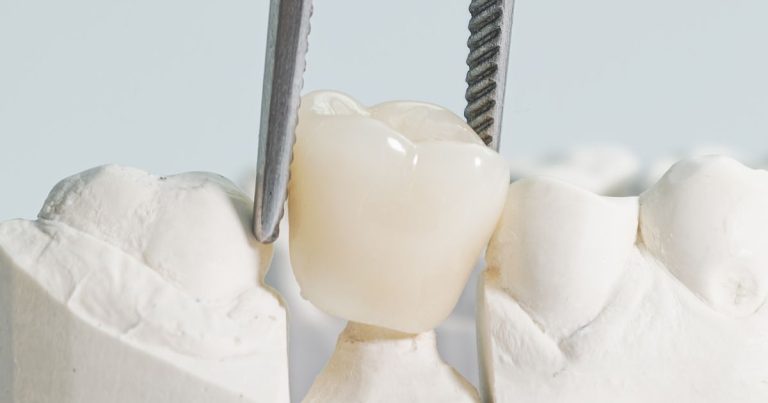
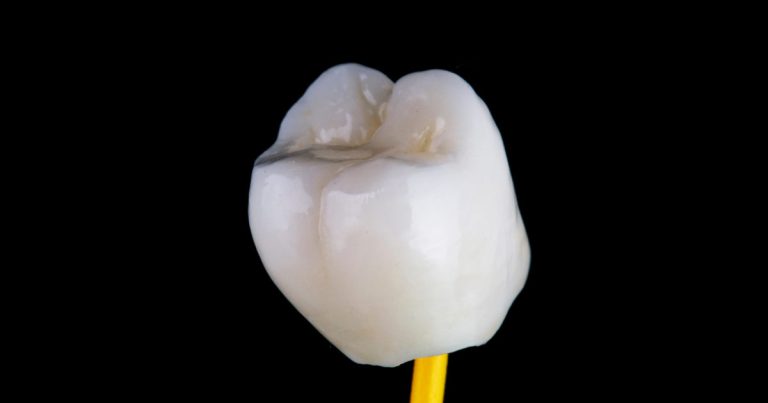
- Crowns: Crowns are custom-made caps that are placed over the teeth to cover up discoloration and other imperfections.
Can anything be done to prevent tooth discoloration?
Good eating and hygiene habits are your best bet for avoiding tooth discoloration. Not smoking, and cutting back on food and drinks that cause stains (such as coffee or tea), can help, and it’s important to maintain good oral hygiene, such as brushing and flossing regularly.