What Is Cosmetic Dentistry?
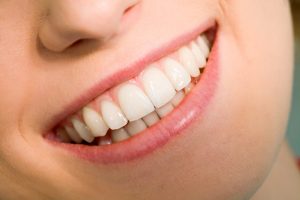
Cosmetic dentistry encompasses dental treatments designed to enhance the appearance of your teeth and smile. These treatments focus on improving the color, shape, alignment, and overall aesthetics of your smile, boosting your self-confidence and quality of life.
Cosmetic dentistry generally refers to any dental work aimed at improving the appearance of teeth, gums, or bite – focusing on aesthetics of color, shape, alignment, and overall smile look. Unlike orthodontics or other specialties, cosmetic dentistry is not recognized as a formal specialty by the American Dental Association (ADA), meaning many general dentists offer these services with additional training, but there is no recognized “Cosmetic Dentist” specialist.
In recent years, demand for cosmetic dental treatments has surged. A study by the American Academy of Cosmetic Dentistry (AACD) found teeth whitening procedures increased over 300% and porcelain veneer placements by 250% in a five-year span. This rise correlates with the high value people place on an attractive smile – 99.7% of Americans consider a smile an important social asset, and about 3 in 4 believe an unattractive smile can hinder career success. Teeth whitening in particular is more popular than ever; up to 19% of Americans have whitened their teeth, and the global teeth-whitening industry is projected to grow from $6.14 billion in 2020 to $8.21 billion by 2026.
Overall, cosmetic dentistry encompasses a wide range of elective procedures that may involve adding materials to teeth (e.g. bonding, veneers), removing tooth or gum structure (enamel or gum contouring), altering tooth color (bleaching), or straightening teeth to enhance smile alignment. Below we outline some of the most common cosmetic dentistry treatments and what they entail:
Common Cosmetic Dental Procedures
Cosmetic dentistry covers a variety of treatments, each designed to address specific aesthetic concerns:
Dental Veneers
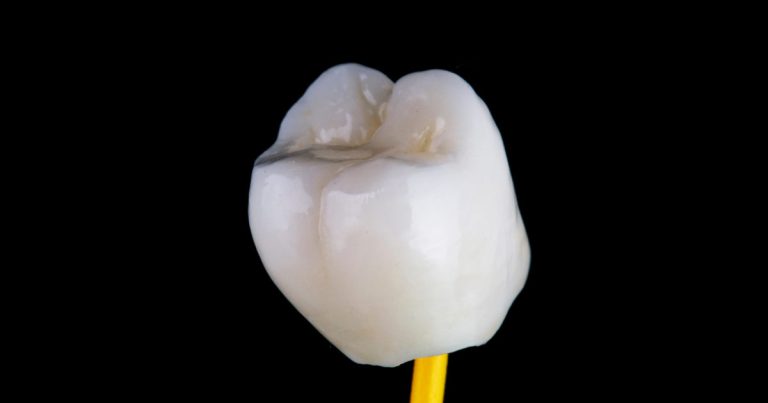
Thin porcelain or composite covers placed over the front teeth to mask imperfections such as chips, gaps, or discoloration. [Learn more →]
Smile Makeover
Combines multiple cosmetic procedures tailored to individual needs to achieve comprehensive smile transformations. [Learn more →]
Benefits of Cosmetic Dentistry
Cosmetic dentistry provides significant advantages, including:
- Enhanced Appearance: Visibly improves tooth color, shape, and alignment, making you look younger and healthier.
- Increased Self-Confidence: Boosts your self-esteem, encouraging you to smile more openly and confidently.
- Improved Oral Health: Cosmetic treatments can encourage better dental hygiene habits, leading to overall improved oral health.
- Long-lasting Results: Many cosmetic solutions offer durable, long-term enhancements that can last years or even decades with proper care.
Considerations for Cosmetic Dental Work
Cosmetic dentistry can produce striking transformations, but patients should approach it with informed expectations and proper planning. First, oral health comes before cosmetics: it’s important to have any underlying dental issues treated prior to cosmetic procedures. Dentists will typically examine for problems like decay or gum disease and address those first, since cosmetic work on unhealthy teeth can be prone to failure. Good candidates for cosmetic treatments are individuals whose teeth and gums are in sound health but who are unhappy with aspects of their smile’s appearance. Additionally, because “cosmetic dentist” is not an ADA-recognized specialty, one should choose an experienced dentist for elective smile enhancements. Look for a provider with specific training in cosmetic techniques and an extensive portfolio of before-and-after cases. As one cosmetic dentist advises, patients should select a dentist who pursues continuing education and can show photos of actual cosmetic cases they’ve done – this helps ensure you’ll receive the best possible outcome for your unique needs.
It’s also important to understand the maintenance and longevity of cosmetic treatments. While these procedures can yield beautiful results, most are not permanent solutions. For example, teeth whitening results can gradually fade over months or years, so periodic whitening touch-ups are often needed to maintain a bright shade. Similarly, dental bonding may stain or chip over time and typically needs repair or replacement after several years, whereas veneers can last a decade or longer but eventually will likely need replacing as well. Proper oral hygiene and care are crucial – diligent brushing, flossing, and regular dental check-ups will help cosmetic work last as long as possible. After any smile makeover or cosmetic procedure, dentists often give specific instructions (such as avoiding certain foods/drinks that stain, wearing a night guard if you grind your teeth, etc.) to protect your new smile. Following these guidelines will prolong your results and safeguard your dental health.
Cost is another consideration, since cosmetic procedures are usually deemed elective. Dental insurance plans usually do not cover purely cosmetic treatments (like whitening or veneers) because they are not medically necessary. Patients should be prepared for out-of-pocket costs and discuss with their dentist about payment options or staged treatment plans if needed. In some cases a procedure that has health benefits (e.g. a crown or orthodontic work that also improves appearance) might receive partial insurance coverage, but elective smile enhancements are primarily a personal investment.
Lastly, the impact on confidence and quality of life should not be underestimated. Cosmetic dentistry, when done appropriately, can be truly life-enhancing – many patients report smiling more often and feeling more self-assured after fixing something that bothered them about their teeth. In fact, surveys by the AACD found that improving self-esteem is a major motivator for patients seeking cosmetic dental care. Whether it’s whitening nicotine stains from a former smoker’s teeth or closing a gap that made someone self-conscious, these treatments often bring a significant boost to one’s self-image. As long as one has realistic expectations and works with a qualified dentist, cosmetic dentistry can provide not just a beautiful smile, but also increased confidence and satisfaction that radiates into everyday life.
When Should You Consider Cosmetic Dentistry?
You might be an ideal candidate for cosmetic dentistry if you have healthy teeth but are dissatisfied with aspects of your smile, such as:
- Stained or discolored teeth
- Chipped, cracked, or worn teeth
- Gaps or minor misalignments
- A gummy smile or uneven gum line
- Misshapen or disproportionately sized teeth
- Outdated dental restorations affecting your smile’s aesthetics
Cosmetic vs. Restorative Dentistry
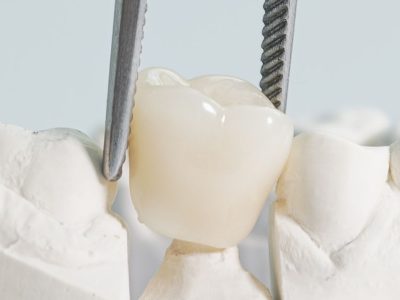
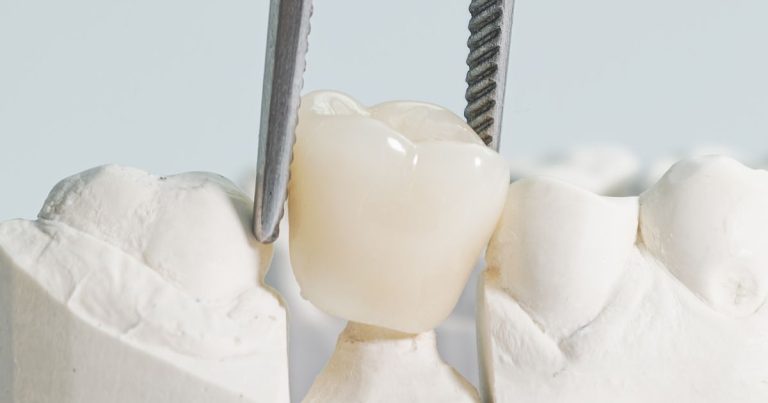
Restorative dentistry repairs damaged or diseased teeth for improved function and oral health. In contrast, cosmetic dentistry focuses solely on appearance enhancements. While restorative treatments like crowns or implants often improve appearance, they primarily address dental health issues. Cosmetic treatments, meanwhile, are elective and usually not covered by dental insurance unless they also have a restorative benefit.
FAQs about Cosmetic Dentistry
Is cosmetic dentistry covered by insurance?
Typically, no. Cosmetic treatments are usually elective, meaning most dental insurance plans do not cover these procedures unless they also offer restorative benefits.
What are the most popular cosmetic dental procedures?
Teeth whitening, dental veneers, dental bonding, and orthodontic treatments like clear aligners are among the most sought-after cosmetic procedures.
Is cosmetic dentistry safe for my teeth?
Yes. When performed by qualified dental professionals, cosmetic procedures are safe. Dentists ensure your oral health is stable before proceeding with aesthetic enhancements.
How long do cosmetic dental results last?
Durability varies by treatment. Whitening can last months to years; veneers and crowns typically last 10–15 years or longer; bonding generally lasts 5–7 years.
Is “cosmetic dentist” a specialty?
No, the ADA doesn’t recognize cosmetic dentistry as an official specialty. Any licensed dentist can provide cosmetic treatments, but some dentists pursue additional training to specialize in aesthetic services.
Enhancing Your Smile – Next Steps
Cosmetic dentistry can transform your smile and boost your confidence significantly. To explore your options, consider consulting a dental professional who specializes in cosmetic treatments. Use our dentist directory to find a cosmetic dentist near you and read patient reviews.
DentistNearMeReviews.com is dedicated to providing accurate, up-to-date information to help you make informed dental healthcare decisions.