Modern dental technology has introduced convenient options like CEREC same-day crowns for restoring damaged teeth. Unlike traditional crowns that require multiple visits and temporary crowns, a CEREC crown is designed, milled, and placed in a single appointment. In this comprehensive guide, we’ll explain what CEREC crowns are, who might need one, how the procedure works, and what to expect before, during, and after treatment. We’ll also cover the benefits, potential drawbacks, alternatives, costs, and address common misconceptions about same-day crowns.
What Are CEREC Same-Day Crowns?
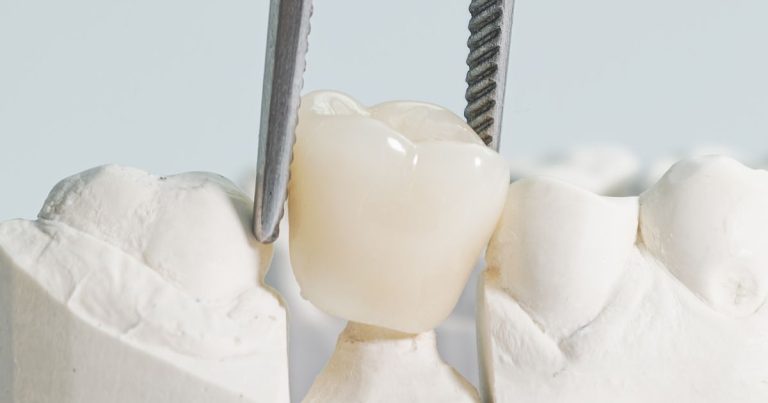
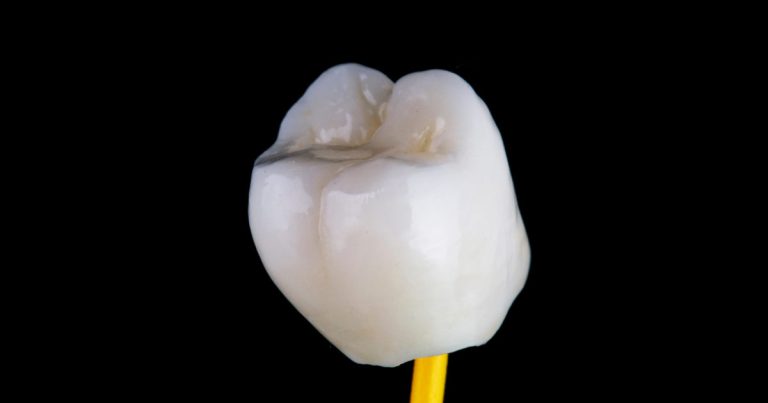
A dental crown is a custom-made “cap” that covers a damaged or weakened tooth to restore its strength, function, and appearance. CEREC crowns are a specific type of crown made using CAD/CAM (computer-aided design/manufacturing) technology right in the dental office. CEREC stands for Chairside Economical Restoration of Esthetic Ceramics – reflecting that it’s an in-office, cost-effective method to create ceramic restorations. With a CEREC system, the dentist can digitally scan your tooth, design the crown on a computer, and mill it from a solid ceramic block, all while you wait. The result is a high-quality, metal-free ceramic crown that closely mimics natural tooth enamel’s look and feel. By the end of one visit (often within a couple of hours), the new crown is bonded onto your tooth, restoring it immediately.
Who Might Need CEREC Same-Day Crowns?
Anyone who needs a dental crown might benefit from the convenience of a same-day CEREC crown. Crowns are typically recommended in situations where a tooth is too damaged for a filling alone. You might need a crown (and therefore potentially a CEREC crown) if you have:
- A Cracked or Broken Tooth: Teeth that are cracked, fractured, or have pieces broken off often require crowns to hold them together and prevent further breakage. A crown can reinforce a weakened tooth after trauma or biting something hard.
- Extensive Decay or a Large Filling: If a tooth has a very large cavity or an old filling that makes up more of the tooth than the natural structure, a crown is usually needed to properly restore and protect it. The crown will cover the remaining tooth after decay removal, providing strength.
- After Root Canal Therapy: Teeth that have had a root canal become more brittle and are prone to cracking. It’s standard to crown a root-canaled tooth to strengthen it. A CEREC crown can be a quick way to finalize the restoration soon after the root canal.
- Worn-Down or Misshapen Teeth: Severely worn teeth (from grinding or acid erosion) or teeth that are misshapen or discolored can be improved with crowns. A crown can rebuild lost tooth structure and enhance appearance in one go.
- Supporting a Bridge or Implant: If you are getting a dental bridge, the teeth on either side of the gap will be crowned to anchor it. Crowns are also the visible part that attaches to dental implants to replace missing teeth. CEREC technology can sometimes be used to fabricate those crowns quickly.
In essence, any adult with a damaged, weakened, or cosmetically compromised tooth could be a candidate for a CEREC crown, as long as their dentist offers this technology. It’s especially helpful for those who prefer not to wear a temporary crown or who have tight schedules that make multiple dental visits difficult.
Common Signs You May Need a CEREC Crown
How can you tell if you might need a crown (whether a same-day crown or a traditional one)? Often, it’s your dentist who will diagnose the need for a crown during an exam. However, here are some common signs and symptoms that a tooth may require a crown:
- Cracked or Fractured Tooth: You may feel a sharp pain when biting down or notice a visible crack. A cracked tooth often needs a crown to keep the crack from worsening and to relieve pain when chewing.
- Piece of Tooth Broke Off: If part of your tooth chips or breaks (for example, a cusp of a molar breaks off), you might feel a rough edge or sudden pain. A crown can cover the broken tooth, restoring its full shape and function.
- Very Large Cavity or Failing Filling: A tooth that has a large hole, dark spot, or a very big filling that is leaking or cracked will likely need a crown after the decay is cleaned out. When more than half the tooth is compromised, a filling isn’t enough – a crown will provide full coverage and strength.
- Tooth Pain When Chewing: Pain or a jolt when you bite down can indicate a cracked tooth or extensive decay under a filling. If the pain is due to a structural issue, a crown may be required to fix the problem so you can bite normally without pain.
- After a Root Canal: If you’ve recently had a root canal on a back tooth, your dentist probably told you a crown is needed. Even if you’re not in pain, that tooth is more fragile now, so getting a crown (possibly a CEREC crown) is the next step to prevent it from fracturing.
- Cosmetic Concerns: A tooth that is severely discolored, misshapen, or has an obvious large filling patch might prompt you to consider a crown to improve its appearance. Same-day ceramic crowns are metal-free and tooth-colored, so they can provide an aesthetic improvement quickly.
Keep in mind that some issues are only caught on a dental exam or X-ray – for example, a large cavity between teeth might not be obvious until your dentist finds it. But if you notice any of the above signs, see a dentist promptly. Addressing the problem early (with a crown or another restoration) can relieve pain and prevent further damage. If a crown is needed and your dentist has CEREC capabilities, you could have the issue fixed in just one visit.
What Happens During a Consultation for CEREC Crowns?
When you visit the dentist with a problem tooth – say it’s broken, painful, or identified as needing a crown – the first step is a consultation and evaluation. Here’s what typically happens:
- Discussion of Symptoms and History: The dentist or assistant will ask about what brought you in. For example, they’ll want to know if you had pain (when it started, what triggers it), or if you broke the tooth biting something. They will also review your dental history and medical history. If you have any particular concerns (e.g. dental anxiety or preferences for materials), you can bring them up now.
- Examination of the Tooth: The dentist will perform a thorough exam of the problem tooth and your overall mouth. They will visually inspect the tooth with a dental mirror and maybe use an explorer tool to check for soft areas or cracks. They’ll also examine the surrounding gums and teeth to assess the overall condition.
- X-Rays or Scans: Dental X-rays are usually taken to see the extent of damage or decay and to check the roots of the tooth. For example, an X-ray can show if the tooth’s nerve is healthy or if there’s an infection, which is important for treatment planning. Some offices might use 3D scanning or imaging for treatment planning as well.
- Diagnosis and Treatment Plan: After the exam and X-rays, the dentist will explain their findings. If a crown is needed, they’ll discuss why a crown is the best solution (for instance, “the crack in your tooth is large, so a filling won’t hold, but a crown will cover and protect it”). If the office offers CEREC same-day crowns, the dentist may recommend this option for convenience. They’ll also discuss the crown material (CEREC crowns are typically high-strength porcelain/ceramic) and how it will look.
- Questions and Informed Consent: You’ll have a chance to ask questions about the procedure, cost, and what to expect. For example, you might ask if the crown will match your tooth color (yes, the dentist will choose a ceramic shade that blends in) or if it will hurt (the procedure is done under anesthesia, so it should be comfortable). The dentist can also explain any risks or alternatives at this time. Once you both agree on the plan, you’ll give consent to proceed.
- Scheduling (or Same-Day Start): One great thing about CEREC crowns is that if the dentist’s schedule allows and you’re ready, they might be able to start the crown procedure right after the consultation – in the same visit. Many times, dentists will block sufficient time to prepare and place the crown immediately. If that’s not possible (e.g. you need to come back due to timing), you’ll schedule a dedicated appointment for the crown. Either way, you won’t need a temporary crown or a second visit after the crown is made – the next step is the procedure itself.
Throughout the consultation, the goal is to ensure you understand why a crown is recommended and how the CEREC same-day process works. The dentist will only proceed once all your questions are answered and you’re comfortable with moving forward. If you’re anxious about dental procedures, let them know – they can explain comfort options (like extra numbing or mild sedation) to help you through the treatment.
What Does the Process for Getting a CEREC Crown Involve?
Getting a CEREC same-day crown is an efficient, step-by-step process that typically all happens in one continuous visit. Here is a step-by-step overview of what you can expect during a CEREC crown procedure:
- Anesthesia (Numbing): Just like any crown procedure, the dentist will start by numbing the tooth and the surrounding gum with local anesthetic so you won’t feel pain. They might first apply a topical numbing gel on the gum, then give a small injection to fully anesthetize the area. Once you’re numb, the rest of the procedure should be pain-free (you may feel pressure or vibration, but no sharp pain). If you’re nervous, some offices also offer nitrous oxide (laughing gas) or other sedation options, but this isn’t usually necessary for most crown preparations.
- Tooth Preparation: With you fully numb, the dentist prepares the tooth for the crown. This involves removing any decayed or damaged portions of the tooth and reshaping the tooth into a proper base for the crown. Using a dental handpiece (drill), the dentist will trim down the chewing surface and sides of the tooth a few millimeters. The goal is to create enough space for the crown to fit over top while also removing weak or decayed tooth structure. If part of the tooth was missing (due to a break or deep cavity), they might build it up with filling material first, then shape it – ensuring there’s a solid foundation for the crown. The dentist is careful to preserve as much healthy tooth as possible while making a uniform shape for the crown. You won’t feel pain during this because of the anesthesia, though you’ll hear the drill and feel some pressure. Water spray and suction will be used to keep the area cool and clear.
- Digital Impression: Once the tooth is fully prepared, the next step is to take an impression of your teeth – but instead of gooey molds, it’s digital. The dentist or an assistant uses an intraoral scanner (a small handheld camera) to capture a precise 3D image of the prepared tooth and your bite. This is quick and comfortable: they’ll move the scanner around your tooth, and you can often see a 3D model building on the screen in real time. The scanner also captures the neighboring teeth and how your teeth bite together, which is crucial for designing a well-fitting crown. No messy putty trays are needed, which is a relief if you have a sensitive gag reflex. The digital impression ensures an accurate model of your tooth without the discomfort of traditional impressions.
- Crown Design (CAD): Now the magic happens on the computer. The digital tooth model is loaded into the CEREC software. Using CAD (computer-aided design), the dentist (or a trained assistant/technician) designs your crown virtually. The software may auto-suggest a crown shape based on your tooth’s anatomy, which the dentist can adjust for perfect fit and aesthetics. They will select a shade of ceramic that matches your surrounding teeth. This design phase usually takes a few minutes to get everything just right – you might even be able to watch on the screen if you’re interested. The dentist ensures the crown’s contours, bite, and contacts (how it touches neighboring teeth) look correct in the digital model.
- Milling the Crown (CAM): Once the design is finalized, the computer sends the plans to the in-office milling machine. This unit holds a small ceramic block in the color chosen for your crown. With precise diamond burs, the machine mills (carves) the block into the exact shape of your new crown. This milling process takes only about 15–20 minutes in many cases. During milling, the machine creates all the external surfaces of the crown (matching your tooth’s shape) and hollows out the inside so it will fit over your prepared tooth. Patients often find this part fascinating – you might hear a gentle humming from the milling unit. You can sit back and relax while it works. In a sense, it’s like 3D-printing your tooth, but through a subtractive process (carving out of a solid ceramic block). By the end, you have a precisely cut porcelain crown ready for finishing.
- Finishing Touches: After milling, the freshly cut crown is removed from the machine. The dentist will test-fit it in your mouth to make sure the fit is accurate and the bite is correct. They will check that the crown seats fully on the tooth and that your upper and lower teeth meet properly with the crown in place. Any slight adjustments can be made at this time – for example, minor polishing of a spot that’s hitting high. Often, additional characterization is done to make the crown look as natural as possible: the dentist can stain or glaze the crown to better match your tooth color, adding realistic touches. Many CEREC offices have a small porcelain oven (kiln) on site; if using a material like certain ceramics that require firing, they will bake the crown briefly to harden it and set the glaze. This step ensures the crown not only fits well but also blends in aesthetically with your smile.
- Cementing (Bonding) the Crown: Once both you and the dentist are happy with the crown’s fit and appearance, it’s time for final placement. The dentist will polish the inside of the crown and prepare your tooth’s surface for bonding. Then they apply a special dental cement inside the crown and place it over your tooth. They’ll press it down and make sure it’s properly positioned, then cure or wait for the cement to set, permanently locking the crown in place. Excess cement is cleaned off, and the dentist will do a final check of your bite and contacts. Just like that, your new crown is securely attached – no temporary crowns, no second visit needed. The dentist will floss around the crown and have you bite on carbon paper to verify everything feels good.
- Final Check and Instructions: The procedure concludes with the dentist confirming that the crown feels comfortable to you. Since you were numbed, your bite might feel a little different once the anesthetic wears off; the dentist will advise you of that and let you know to call if you feel the bite is off. They will also give you some care instructions (covered in detail in a later section). Then, you’re all done – you walk out with your permanent crown on the same day!
Throughout this process, what’s remarkable is that steps that used to be split across weeks are all done in one appointment. Traditionally, a crown would involve sending impressions to a lab and waiting while wearing a temporary crown. With CEREC, by the time you leave, the final crown is already in your mouth. Plan for the visit to last roughly 1.5 to 2 hours in total, though the active dental work is often interspersed with short waiting periods (for example, you get a little break while the crown is milling). Many patients bring headphones or enjoy watching the process as they wait. The efficiency and convenience of this workflow are why same-day crowns are so popular.
How Long Does the Procedure Usually Take?
One of the biggest advantages of CEREC same-day crowns is speed. In most cases, the entire procedure – from tooth preparation to crown placement – is completed in a single appointment lasting about 1 to 2 hours. The exact duration can vary depending on the complexity of your case and how many crowns are being made. For a single crown on an uncomplicated tooth, about 60–120 minutes is typical.
Here’s a rough breakdown of where that time goes:
- Preparation and Imaging: Numbing and tooth prep might take 20–30 minutes (more if old restorations must be removed or the case is complex). The digital scanning is often done in just 5–10 minutes.
- Design and Milling: Designing the crown on the computer could take 5–15 minutes. The milling machine then takes roughly 15 minutes (give or take a few) to carve the crown. During this phase, you’re usually just waiting comfortably. Some offices might even let you watch a movie or use Wi-Fi while you wait.
- Fitting and Cementing: Trying in the crown, possibly adding glaze/stain and final cementation might take another 15–30 minutes.
In total, many patients find they are in and out in about an hour and a half for one crown. In contrast, a traditional crown process requires at least two visits (one for prep and impression, then a second 1–2 weeks later for placement), plus the interim time with a temporary. With a CEREC crown, you save the extra visit and the wait.
Do note that if you were to need multiple crowns made in one day, it will add to the time – each crown has its own design and milling cycle. Dentists will let you know if doing more than one same-day crown is feasible in the same visit or if it’s better to split it up.
Overall, plan for a couple of hours free for your appointment, and you’ll likely be pleasantly surprised at how efficiently everything is completed. Most people appreciate that they don’t have to come back again – it’s all taken care of in one sitting.
Pain Management and Comfort During CEREC Crown Treatment
Dental crown procedures, including CEREC same-day crowns, are generally well-tolerated with minimal discomfort thanks to modern anesthetics and techniques. Here’s how pain and comfort are managed:
- Local Anesthesia: The procedure is performed under local anesthesia, meaning the dentist will thoroughly numb the area around the tooth. You should not feel any sharp pain while the tooth is being drilled and prepared. The numbing injection itself might pinch for a moment, but dentists often use topical numbing gel and slow injection techniques to make this as easy as possible. Once numb, the entire preparation is pain-free – you’ll just be aware of pressure and vibration.
- Comfort During Scanning and Milling: The digital scan is completely non-invasive – it’s just a camera taking pictures of your teeth, so no discomfort there (unlike gagging on impression trays). While the crown is being milled, you’re simply waiting; you can usually sit up, relax, or even use the restroom if needed. There’s no pain at all during this phase.
- No Temporaries = Less Sensitivity: One advantage of same-day crowns is you skip the temporary crown phase. Temporary crowns in traditional procedures can sometimes cause gum irritation or tooth sensitivity (since they may not fit as precisely). With CEREC, since the permanent crown is on immediately, many patients have less post-procedure sensitivity. The permanent crown seals the tooth sooner, reducing exposure of the dentin.
- Sedation Options: If you’re an anxious patient or dread dental procedures, talk to your dentist. Some offices offering CEREC crowns also can provide nitrous oxide (laughing gas) or oral anti-anxiety medication to help you relax. However, because the process is relatively quick and only one visit, many patients find it easier than expected. The familiarity of walking out with the job done can reduce anxiety compared to waiting weeks.
- After the Numbness: As the local anesthesia wears off a few hours later, you might experience mild soreness in the gum area or jaw. This is usually due to holding your mouth open or the injection sites, and not the tooth itself. Over-the-counter pain relievers (like ibuprofen or acetaminophen) are typically sufficient if you feel achy. Most patients do not have significant pain after a crown – perhaps slight tenderness in the gums around the tooth for a day or two.
- Bite and Fit: The dentist will adjust the crown’s bite before you leave, but if you notice any sharp pain when biting once you’re home (after numbness is gone), it could mean the crown is a tad high. This isn’t a severe pain but more of an uncomfortable pressure when you bite. In that case, you’d need to return for a quick adjustment. It’s an easy fix and should relieve any biting discomfort.
In summary, getting a CEREC crown should be a comfortable experience. The critical part – drilling and shaping the tooth – is done under effective anesthesia, so you shouldn’t feel pain. Dentists take care to ensure you’re numb and at ease before starting. If at any point you do feel something, you can signal to your dentist and they can administer more anesthetic. Don’t hesitate to communicate any discomfort – keeping you pain-free is a top priority.
Patients often find that the worst part of a crown procedure is just the sound of the drill or the length of time in the chair, not pain. Bringing headphones or listening to music can help distract you. And remember, with a same-day crown, you’re avoiding the potential discomfort of a temporary crown and a second numbing injection later, which is a big plus. Overall, expect a relatively smooth process with minimal pain, both during and after the procedure.
What Is the Recovery Process Like After a CEREC Crown?
One nice thing about crowns (including CEREC crowns) is that there’s not much “recovery” in the surgical sense. Since getting a crown is a restorative procedure that doesn’t involve incisions or significant healing, you can usually resume normal activities the same day. However, there are a few post-procedure expectations and minor precautions:
- Numbness Wearing Off: Immediately after, the biggest “recovery” aspect is waiting for the local anesthetic to wear off. Your lip, tongue, and cheek on the side of the crown will be numb for a few hours. During this time, be careful not to bite your tongue or cheek accidentally. It’s wise to avoid chewing until feeling returns to avoid injury.
- Minor Soreness or Sensations: As feeling returns, you might notice a bit of soreness where the injection was given or around the gum line of the crowned tooth. The gums might have been slightly irritated during the preparation process. It’s normal to have some mild tenderness in that area for a day or two. You also may have a slight awareness that the crown is present – it can feel a little different or “new” in your bite. This awareness typically fades over a few days as you get used to it. If the tooth had deep decay or was sensitive before, you could have some lingering sensitivity to hot or cold, but it should be minimal and improve with time.
- Bite Adjustment Period: When the numbness is gone, pay attention to how your teeth come together. If the crowned tooth hits first or feels higher than the rest, it could mean the bite needs a tweak. A brief adjustment appointment can resolve that. It’s better to address it than to “just live with it,” since a high spot can cause soreness in that tooth or jaw over time. Ideally, your bite should feel natural, like the crown isn’t even noticeable.
- No Eating Restrictions (After Numbness): Once you’re no longer numb, you can eat and drink normally. The cement used for the crown is usually fully set by the time you leave (or it may be a type that continues to strengthen, but it’s sufficiently hardened to use). Unlike some procedures, there’s no strict dietary limitation beyond using common sense. However, it’s smart to chew a bit carefully on that tooth for the first day, sticking to softer foods until you’re confident the bite is right. Also avoid extremely hard or sticky foods in the first 24 hours, just to be safe (e.g. don’t test your new crown on hard candy or toffee immediately).
- Oral Hygiene and Care: You should continue your normal brushing and flossing routine the same day. Just be gentle around the gum line of the new crown initially if it’s tender. Good hygiene will help the gum tissue recover from any minor irritation and keep the tooth healthy. We’ll cover detailed aftercare in the next section.
- Monitoring for Issues: Significant pain is not expected after a crown. If you were to develop a strong throbbing pain days after the crown, that’s not normal and could indicate a problem (for instance, the tooth’s nerve could be inflamed or infected). This would require a call to the dentist. But most of the time, post-crown discomfort is mild and transient – a little sensitivity or a “full” feeling that improves daily. Over-the-counter pain relievers can be used if needed, but many people don’t find it necessary after the first day or so.
In general, the recovery from a CEREC crown mainly involves adjusting to the new crown in your mouth and ensuring everything feels right. There is no open wound to heal (as there would be with an extraction or implant surgery), so you’re basically getting back to normal function quickly. If your tooth was painful before, having the permanent crown should actually relieve that pain (for example, covering an exposed crack or restoring structure).
Every patient is different – some feel perfectly normal later the same day, while others might take a few days to fully adjust. Take note of any symptoms that persist beyond a week (like lingering sensitivity or discomfort when biting) and follow up with your dentist if needed. But by and large, you can expect a smooth recovery with minimal disruption to your daily life after a same-day crown.
Aftercare Instructions
Taking care of your new CEREC crown is straightforward. A crown doesn’t require any special maintenance separate from your natural teeth, but you’ll want to keep the area clean and adopt habits that protect your dental work. Here are some general aftercare guidelines to ensure your crown stays in great shape:
- Oral Hygiene – Brushing: Continue to brush your teeth twice a day using a non-abrasive fluoride toothpaste and a soft-bristled toothbrush. Gently brush all sides of the crowned tooth. Pay special attention to the gum line area around the crown, as plaque can accumulate at the margins. Good brushing will keep the gum tissue healthy and prevent decay from sneaking under the crown edges.
- Flossing: It’s important to floss around your crown daily to clean where the toothbrush can’t reach. For the first day or two, be a little cautious – if you encounter resistance, don’t “snap” the floss out aggressively near the crown. Instead, slide the floss out to the side to avoid dislodging anything. Once the cement is fully set (usually immediately, but your dentist might give specific advice), you can floss normally. If floss catches on an edge or consistently frays, let your dentist know, as it could indicate a minor gap.
- Dietary Habits: While your crown is strong, certain habits can threaten any tooth or restoration. Avoid chewing extremely hard objects like ice, popcorn kernels, or hard candy with that tooth (really, with any teeth) to prevent cracking the porcelain. Also avoid using your teeth as tools (tearing packages, etc.), as this can damage the crown or the teeth. If you have a craving for very sticky candies or chewing gum, be mindful – although a well-cemented crown should stay put, very sticky substances can sometimes pull at crowns.
- Sensitivity Management: If you experience mild sensitivity to hot or cold in the days after getting the crown, this usually improves. Using a toothpaste for sensitive teeth can help during the adjustment period. Avoiding extremely cold foods and very hot beverages for a few days might also reduce any discomfort, although this isn’t necessary unless you notice sensitivity.
- Mouthguards for Grinding: If you grind or clench your teeth (bruxism), especially at night, a crown can be at risk just like natural teeth. Grinding can wear down or put pressure on crowns. Consider using a nightguard (bite guard) to protect your teeth during sleep. Similarly, if you play contact sports, wear a mouthguard to prevent any impact damage to the crown.
- Regular Dental Visits: Maintain your routine dental check-ups (usually every 6 months). At these visits, the dentist will examine your crown to ensure the margins are sound, the crown is intact, and the supporting tooth and surrounding gums are healthy. They might take periodic X-rays to check that there’s no decay forming under the crown. Regular cleanings will also help keep the area around the crown free of plaque and tartar.
- Long-Term Care: With good care, a CEREC crown can last many years (often 10-15 years or more is expected). To maximize its lifespan, practice the same healthy habits you would for natural teeth: limit sugary snacks and drinks (to protect the edge of the crown and adjacent teeth from decay), do not smoke (smoking can increase gum problems around crowns), and address any dental problems promptly.
In summary, treat your new crown like a natural tooth – brush it, floss it, and don’t abuse it with extremely hard forces. The crown itself cannot get a cavity, but the edge where the crown meets the natural tooth can develop decay if oral hygiene is poor. So keeping that area clean is key.
If your dentist gave you any specific instructions (for example, sometimes they may advise rinsing with a chlorhexidine mouthwash if your gums were inflamed, or avoiding chewy foods for a day), be sure to follow those. But generally, once the crown is in place, you can use it normally and care for it as part of your regular dental routine. Well-made crowns are designed to feel natural and allow you to chew, speak, and smile confidently – taking a little care will ensure it stays that way.
When Should I Call My Dentist After Having a CEREC Crown?
Most new crowns settle in just fine, but it’s important to know the difference between normal post-treatment sensations and signs of a potential problem. Contact your dentist if you experience any of the following after getting your CEREC crown:
- Severe or Prolonged Pain: It’s normal for the tooth to be a bit tender after the procedure, but sharp or throbbing pain that persists or worsens in the days following is a red flag. If you develop a strong toothache, especially one that starts a day or two after the crown placement, notify your dentist. This could indicate that the tooth’s nerve became inflamed or infected (for example, if the decay was very deep, a root canal might become necessary). Don’t ignore intense pain or rely on painkillers for long – it should be evaluated.
- Pain When Biting Down: Once your numbness wears off, pay attention when you bite. If you feel a sharp pain or discomfort on biting, it often means the crown is hitting a bit too high on the opposing tooth. Even a slight “high spot” can cause significant discomfort or make you avoid chewing on that side. The fix is usually simple: the dentist can adjust (grind down) the crown a little to fit your bite perfectly. Call your dentist if you suspect your bite isn’t right – you shouldn’t have to live with bite pain. This adjustment is quick and typically requires no anesthesia.
- Lingering Sensitivity to Temperature: Some sensitivity to cold or heat can be normal right after a crown, but it should gradually diminish. If, however, you experience strong, lingering sensitivity – for instance, a cold drink causes a zinging pain that lasts more than a few seconds – this could mean the tooth’s nerve is irritated. An occasional mild twinge is okay, but intense hot or cold sensitivity that doesn’t improve over a couple of weeks warrants a check. The dentist might need to apply a desensitizing treatment or, in rare cases, evaluate for possible nerve issues.
- Crown Feels Loose or Comes Off: A permanently cemented CEREC crown coming off is uncommon, but it can happen if something went wrong with the bonding or if you chewed on it before the cement fully set. If your crown feels wiggly, loose, or (worst-case) actually pops off, keep the crown safe and contact the dentist immediately. They will need to re-cement it or, if it got damaged, make a new one. Do not try to glue it back yourself with household glues. In the meantime, avoid chewing on that spot and keep it clean.
- Cracked or Chipped Crown: Porcelain crowns are strong, but a sudden hard bite on something like a bone or a crack from grinding could potentially chip it. If you notice a new rough spot, crack line, or a piece of the crown broke, call your dentist. A small chip can sometimes be smoothed or repaired with composite, while a large fracture might mean the crown needs replacement. It’s important to address because a crack can compromise the seal or irritate your tongue/cheek.
- Gum Irritation or Swelling: Mild soreness of the gum is normal, but if you see significant swelling, redness, or a pimple-like bump on the gum near the crowned tooth, or if you have a bad taste or discharge, these could be signs of infection (abscess) under the tooth. Though a crown itself doesn’t cause infection, the tooth’s nerve could die off and abscess sometimes after crown work (especially if the tooth was borderline). Also, an ill-fitting crown could irritate the gum. In either case, you should be evaluated promptly. Signs of infection might include swelling of the face or jaw, or fever – those would be urgent reasons to call.
- Allergic Reaction (Very Rare): CEREC crowns are ceramic and generally biocompatible. Allergic reactions are exceedingly rare (more common with metal crowns). Still, if you experienced something odd like a rash in your mouth, itching, or other systemic symptoms after the crown, inform your dentist. They can determine if any component could be causing an issue.
- It Just Doesn’t Feel Right: Trust your instincts. If a couple of weeks have passed and the tooth still feels off – maybe there’s a dull ache, or you’re avoiding chewing on it because it’s uncomfortable – it’s reasonable to have the dentist take a look. Sometimes a little further adjustment or a minor procedure (like checking the nerve vitality or applying a protective liner if the tooth was sensitive) can resolve lingering issues. Don’t be shy about coming back; dentists expect a few cases might need follow-up tweaks, and it’s usually easier to address them sooner than later.
The bottom line is, most CEREC crowns settle with no complications, and you’ll likely forget it’s even there. But if something feels wrong, it’s better to call your dentist and get reassurance or an adjustment visit. They want your restoration to function perfectly. Quick intervention can mean the difference between a simple adjustment and a bigger problem, so use the above points as a guideline for what’s normal vs. what’s not. When in doubt, give your dental office a call – they can advise if you should come in to be seen.
Follow-Up Appointments
One of the conveniences of a same-day crown is that you eliminate the built-in follow-up visit that traditional crowns require (since traditionally you’d return to have the permanent crown placed). With a CEREC crown, after it’s cemented, there’s usually no special immediate follow-up appointment needed beyond your routine dental check-ups. Here’s what to expect going forward:
- Routine Dental Check-Ups: Continue seeing your dentist for regular cleanings and exams (typically every 6 months). At each visit, the dentist will examine the crown as part of your exam. They’ll check the margins (edges) for any gaps or decay, ensure the crown is intact and not cracked, and ask how it’s feeling. They may periodically take X-rays which can show if decay is starting around or under the crown (catching it early is important). Essentially, the crowned tooth just becomes part of the list of things to monitor at your recalls, just like your other teeth.
- Bite Adjustments if Needed: If you contacted your dentist with a concern shortly after getting the crown (for example, a high bite or some persistent sensitivity), they will have you come in for a short follow-up to address it. In a bite-adjustment visit, the dentist might file down a high spot on the crown, polish it, or apply a desensitizing agent. These fixes are usually quick (often 10-15 minutes) and can often be done without needing to numb you. Once that issue is resolved, typically no further special visits are needed.
- Multiple Crowns or Complex Cases: If you had multiple restorations done at once or a particularly deep restoration near the nerve, your dentist might schedule a check in a few weeks just to ensure everything is settling well. This is more common if there was any uncertainty about the tooth’s health (for instance, the dentist was watching to see if a borderline tooth might need a root canal). In such a follow-up, they might test the tooth’s pulp vitality or take an X-ray to confirm all is well. If you don’t hear otherwise, assume no news is good news – most dentists will tell you if they want to see you for a specific follow-up.
- Maintaining the Crown: Long term, the crown will eventually need replacement like any dental work (nothing lasts forever), but many crowns last a decade or much longer with good care. There’s no set timeline for replacement – your dentist will let you know if they see signs of wear or if the crown is nearing the end of its life. Sometimes, if a crown reaches 15-20+ years, small issues like a bit of looseness or marginal staining might prompt a proactive replacement. Otherwise, it’s simply monitored over time.
- If Issues Arise: Outside of regular check-ups, if you notice a problem with the crown down the line (pain, looseness, chipping, etc.), schedule a visit promptly (don’t wait until your next cleaning). Quick attention can often repair or salvage a situation before it worsens. For example, a minor chip might be smoothed without needing a whole new crown if addressed early.
- No Additional Procedures: Unlike some treatments (e.g. implants that require multiple stages, or braces that need monthly adjustments), a crown is a definitive treatment in one step. Once it’s on and feels good, you’re done. Just keep up daily care and regular dentist visits to ensure it stays trouble-free.
In summary, after a CEREC crown is placed, you mostly just return to normal dental maintenance. There’s usually no need to see the dentist again specifically for that crown unless something isn’t right. Your next appointment will likely just be your next cleaning or exam, where they’ll include the crown in the check-up. This is one reason patients love same-day crowns – it streamlines the process with no extra interim visits. Of course, if you have any worries, you can always call your dentist for peace of mind. But if it feels good and your dentist gives the okay, you can treat the tooth as fixed and enjoy your restored smile.
What Are the Advantages of CEREC Crowns?
CEREC same-day crowns offer several attractive benefits compared to the traditional crown process. Here are some of the key advantages:
- One-Visit Convenience: Perhaps the biggest draw is that you get everything done in a single appointment. You walk in with a damaged tooth and walk out a short time later with a permanent crown in place. There’s no need to schedule a second visit weeks later to insert the crown because it’s made on-site. This saves you time off work or school and eliminates the hassle of multiple injections and trips to the office. For busy individuals, the time saved is invaluable.
- No Temporary Crown: With traditional crowns, after the first visit you’d wear a temporary plastic/acrylic crown for a couple of weeks. Those temporaries can be uncomfortable, may not look great, and can even pop off at inconvenient times. With CEREC, you skip the temporary phase entirely. You leave with the final crown bonded on, so you avoid the risk of a temp crown falling off or causing sensitivity. This means better comfort and peace of mind during the treatment process.
- Immediate Restoration: Beyond convenience, there’s a dental health advantage to restoring the tooth immediately. The tooth gets its permanent protection the same day it’s prepared, reducing the chance for bacteria to leak in or for the tooth to crack further (which could happen with a fragile tooth in a temporary). Essentially, your tooth is back to full strength by the end of the visit.
- Digital Precision (High Accuracy): CEREC uses digital impressions and CAD design, which can result in extremely precise fits. The computer-guided milling can achieve very tight tolerances, and there’s no risk of distortion that sometimes can happen with physical impressions. A well-fitted crown means less chance of issues like gaps or high spots. Patients often find the resulting bite is very accurate, and adjustments are minimal. The digital process also preserves more of your healthy tooth by guiding an optimal shape.
- No Messy Impressions: Many people find traditional dental impressions unpleasant (the goo in the mouth that can trigger gagging). With CEREC’s intraoral scanning, you avoid that discomfort. The digital scan is quick and comfortable, which improves the overall patient experience.
- Aesthetic, Metal-Free Material: CEREC crowns are typically made from high-quality ceramic (such as lithium disilicate, e.g. IPS e.max, or newer ceramics). These materials are tooth-colored and metal-free, providing excellent aesthetics. Because there’s no metal substructure, you won’t see any dark line at the gumline that can sometimes occur with porcelain-fused-to-metal crowns. The ceramic is translucent like natural enamel, giving a very lifelike appearance. Light passes through similar to a natural tooth, which means the crown can be virtually indistinguishable from your other teeth. This is great for visible front teeth but also nice for back teeth if you prefer no metal in your mouth.
- Strength and Durability: Despite being done in one day, CEREC crowns are made of strong, modern ceramics. Research has shown that crowns made with the CEREC process can be very reliable restorations. The materials used (like zirconia or lithium disilicate) are known for their durability and resistance to wear. In fact, these ceramics are as hard as or harder than natural enamel in many cases. With proper care, they can last as long as traditional crowns – often a decade or more without issues. They also won’t corrode or cause metal allergies since they’re all-ceramic.
- Comfort and Fit: Because the crown is milled and placed on the same day, any needed fit adjustments are made on the spot. You don’t have to live with any rough edges or fit issues – the dentist can adjust and polish immediately for comfort. Patients often report that their CEREC crowns feel natural quite quickly. Plus, only having to get numbed once is a comfort bonus (one less injection compared to the two-visit process).
- Preservation of Tooth Structure: CEREC technology can be used not only for full crowns but also for more conservative restorations like onlays or partial crowns when appropriate. This means if your tooth doesn’t need a full coverage crown, the dentist can digitally design a smaller restoration to fit the cavity, preserving more of your healthy tooth. The precision of the system allows for these alternatives that remove only the damaged portion.
- Reduction of Error and Remakes: With lab-made crowns, sometimes issues like a bad impression or lab errors can lead to a crown that doesn’t fit, and you’d have to have a remake (meaning a third visit). With CEREC, any fitting issue is noticed immediately when they try the crown in. If something were off, they could adjust the design and re-mill a new crown the same day. No need to send it back and wait weeks. This immediate feedback loop tends to result in a successful outcome on the first try.
- Avoiding Additional Decay: Temporaries can leak or pop off, and if that happens, your tooth can be exposed to bacteria or you might delay getting it fixed, which could allow decay to progress. By finalizing the crown the same day, you reduce the window of opportunity for new decay to start on the prepared tooth before final sealing.
- Patient Involvement and Satisfaction: Some patients really enjoy seeing the technology in action. You can actually observe the 3D model of your tooth and the design of your crown. This can be educational and reassuring – you get to see how the crown will restore your tooth. Watching a crown being milled is pretty fascinating and gives a sense of how modern dentistry works. This involvement can increase satisfaction, as you know exactly what’s happening at each step.
Overall, CEREC same-day crowns combine convenience with high-quality results. You get a beautiful, functional crown faster and with potentially less discomfort than the traditional route. For many, the avoidance of a temporary crown and second appointment alone is reason enough to choose a same-day crown. When you add the digital precision and excellent aesthetics, it becomes clear why so many dentists and patients are embracing this technology.
Are There Any Disadvantages or Risks with CEREC Crowns?
While CEREC crowns have many benefits, it’s important to consider the potential drawbacks or limitations as well. Here are some disadvantages or risks associated with same-day crowns to be aware of:
- Availability of the Technology: Not every dental office has a CEREC or similar CAD/CAM system. The equipment is expensive and requires training to use. So depending on where you live or which dentist you see, you might not have the option of a same-day crown. If your dentist doesn’t offer it, you’d either have to seek out one who does or go the traditional route. The flip side is many offices are adopting this tech, but it’s not as universal as the lab-made method yet.
- Slightly Higher Cost (Sometimes): CEREC crowns can cost a bit more in some practices. The difference isn’t usually huge, but dentists may charge a premium for the convenience and investment in technology. For example, if a traditional crown would have been, say, \$1,100, a CEREC crown might be \$1,200. This varies by region and office – in some places the cost is about the same as a lab crown, in others it’s a few hundred dollars more. We’ll detail costs in the next section, but be aware that you could pay a little extra for the one-visit approach. Many patients feel the time saved is worth it, but cost can be a factor if you’re on a tight budget.
- Not Ideal for Every Case: There are situations where a traditional lab-fabricated crown might be preferable. For example, if a tooth is severely broken below the gum line, it can be hard for the scanner to capture the margin, and a lab technician might need to fabricate the crown with special techniques. Also, if you have a very tight space or an unusual bite alignment, sometimes the dentist may choose to use a lab where additional customization is possible. Similarly, some types of restorations aren’t doable in one visit – for instance, if you needed a porcelain-fused-to-metal crown or a custom shade matching that requires layering porcelain, a lab might be necessary. In general, most routine crowns can be done with CEREC, but extremely complex cases might be sent to a lab. Your dentist will recommend what’s best for your specific situation.
- Material Limitations: CEREC crowns are typically made of all-ceramic materials (porcelain, lithium disilicate, or composite resin blocks). While these are very strong, they might not be as tough as a metal-based crown in certain high-stress situations. For example, a porcelain-fused-to-metal (PFM) crown or a full gold crown is historically considered the gold standard for durability (gold especially for people who grind heavily). CEREC does have options like zirconia, which is extremely strong, but zirconia crowns often need to be sintered in an oven for several hours unless the office has a special fast-sintering oven. In early days, some dentists felt lab crowns lasted longer, but current evidence shows CEREC all-ceramic crowns have comparable longevity in many cases. Still, if someone insists on a gold crown for a back molar due to personal preference (gold can last decades and is gentle on opposing teeth), that cannot be milled in a one-day appointment – it requires a lab. So the range of materials is slightly narrower with CEREC: primarily ceramics.
- Aesthetics in Complex Cases: A skilled dentist with CEREC can achieve excellent aesthetics for most crowns, especially with staining and glazing. However, there are some cases (like a front tooth crown in a very high-demand cosmetic case) where a lab technician layering porcelain might achieve an even more nuanced, lifelike result than a monolithic (single block) ceramic crown. For instance, if you have a front tooth with multiple shading gradations or translucency, a lab tech can layer different porcelains by hand. CEREC crowns are typically one uniform shade with surface staining. Many times they look fantastic and most people can’t tell, but extremely discerning eyes might notice a difference compared to a multi-layered lab crown. This is a minor point, as technology and materials keep improving – there are now ceramic blocks that have gradient shading, and staining kits that produce very natural outcomes. But in terms of a drawback: some cosmetic dentists might prefer lab-made for the absolute highest level of aesthetics in front teeth.
- Learning Curve & Operator Skill: The quality of a CEREC crown is somewhat dependent on the dentist’s skill with the software and system. Designing a perfect crown takes practice. If a dentist is relatively new to CEREC, there might be a bit more time involved or a higher chance they need to remill the crown if the first design isn’t perfect. In contrast, with a lab you rely on a technician’s expertise. Essentially, with same-day crowns the dentist is both the clinician and the lab technician. Most who offer CEREC have taken the necessary training and become very proficient, but it’s true that not all dentists have extensive experience with the technology. This isn’t a risk per se, just a consideration: the outcome can be technique-sensitive. Choosing a dentist who is experienced in CEREC (or who has good results documented) can mitigate this.
- Insurance Coding Quirks: Generally, insurance covers a crown whether it’s CEREC or lab-made, as the procedure code is the same. However, some insurance plans may not reimburse any extra charge for same-day convenience. If a dentist charges more for CEREC, the patient might have to pay the difference out-of-pocket. It’s worth checking with your insurance if they have any policies regarding CAD/CAM crowns versus traditional.
- Longer Single Visit: While it’s one visit instead of two, that one visit is longer than a typical single crown prep visit. If you have difficulty sitting for a long time or have TMJ issues that make holding your mouth open uncomfortable, a 1.5-2 hour visit might be challenging (versus two shorter visits). Most people prefer one longer visit to two separate ones, but it’s something to consider if you have medical conditions or anxiety that make longer appointments tough. The dental team can always give you breaks during the appointment – for example, you get a natural break while the crown is milling.
- Tech Failures (Rare): On rare occasions, technology can act up – if the CEREC machine or software has an issue (say the scanner malfunctions or the milling unit breaks down mid-process), it could cause a delay. The dentist might then have to place a temporary and bring you back if they can’t get the crown milled that day. This is an uncommon scenario, but worth noting that as with any high-tech equipment, there’s a small risk of a technical hiccup. Reassuringly, most offices maintain their units well and these systems are quite reliable.
- Need for Tooth Health: This is not so much a disadvantage of CEREC but of crowns in general: if your tooth has underlying problems (like gum disease or root issues), those need addressing either way. Sometimes a dentist might start a CEREC process and then realize, for example, that the tooth’s nerve is not healthy. In such cases, a root canal might be needed before crowning, which could alter the same-day plan. It’s a reminder that the tooth has to be a good candidate for a crown first – CEREC doesn’t change that, but thorough evaluation is key. If a surprise arises (like the tooth is too badly decayed to save), the procedure could be halted. This is true for any crown procedure, not CEREC-specific, but patients should know a crown is only placed if the tooth is deemed restorable.
- Comparative Durability Debate: Some sources note that traditional crowns (especially those with a metal base) have a long track record of durability, while all-ceramic crowns had early critiques of being brittle. However, the ceramics used in modern CEREC crowns (like lithium disilicate or zirconia) have proven high survival rates and are continually improving. The gap in durability has significantly closed, if not closed entirely, for most scenarios. Still, if one were to be extremely cautious, they might say a PFM crown could edge out a porcelain crown in longevity in certain very heavy bite cases. The risk of a CEREC crown cracking exists, but it’s relatively low if properly designed and if you follow precautions (like wearing a nightguard if you grind). In summary, while older myths about same-day crowns being weaker persist, evidence shows they hold up well – but one can’t claim any crown is 100% risk-free from fracture or issues.
In weighing these drawbacks, it’s clear that for the majority of typical crown situations, CEREC crowns perform excellently and patient satisfaction is high. The disadvantages are either situational (not applicable to everyone) or minor trade-offs. A well-informed dentist will only recommend a same-day crown if it’s appropriate for you. They’ll also explain if any of the above factors apply in your case (for example, if you have a particular scenario where a lab crown might be better, a good dentist will tell you).
Ultimately, knowing these points helps you have a balanced perspective. Most patients who get a CEREC crown feel the benefits outweigh these cons, but it’s wise to understand both sides. If you have concerns about any of these factors, discuss them with your dentist – they can advise based on their experience and your specific needs.
Are There Alternatives to CEREC Crowns to Consider?
Yes. When deciding on a treatment for a damaged tooth, it’s worth considering the alternatives to see what best fits your situation. Alternatives to a CEREC same-day crown generally include other methods of crowning the tooth, or in some cases, different types of restorations altogether. Here are the main alternatives:
- Traditional Lab-Made Dental Crowns: The most direct alternative is the conventional crown process. Instead of being made in-office, the crown is fabricated by a dental laboratory. The dentist will prepare your tooth and take an impression (physical mold or sometimes a digital scan) and send that to the lab. You’ll wear a temporary crown and return in about 1–2 weeks to have the permanent crown cemented. Materials: Lab crowns can be made of porcelain fused to metal, full gold, zirconia, or other ceramics. If, for example, you desire a gold crown or a specific type of porcelain that CEREC doesn’t handle, the traditional route would be the way. Pros: Lab crowns can sometimes offer slightly more customized aesthetics for front teeth (as discussed) and have a long track record. If not having CEREC available, this is the default. Cons: It requires two visits and a temporary crown, and you wait longer for the result. Cost is usually similar (sometimes a tad less) than a CEREC crown. This is the route you’d take if your dentist doesn’t have CAD/CAM capabilities or if your case is one of the exceptions not suited for same-day.
- Other Chairside CAD/CAM Systems: While CEREC is the most famous brand, some dentists use similar one-visit crown systems (like E4D, Planmeca PlanScan, etc.). From a patient perspective, these are equivalent to CEREC in that you get a same-day crown; the difference is just the equipment used. The alternatives in this category still give you a one-day turnaround. The choice of system is up to the dentist, but the outcome for you is similar – a ceramic crown in one visit.
- Dental Fillings or Onlays/Inlays: If the tooth’s damage is not too extensive, one alternative to a full crown is a less aggressive restoration. For instance, a large filling (either composite or amalgam) could be placed if enough healthy tooth remains. However, dentists often recommend crowns when fillings would be too big. A middle-ground is an onlay or inlay, which is like a partial crown. It covers or fills just the damaged portion of the tooth. Interestingly, onlays/inlays can also be made with CAD/CAM and done same-day in many cases – essentially milled ceramic fillings. They preserve more tooth structure than a full crown. Pros: More conservative, cheaper than a crown typically, and sufficient for smaller cavities or cracks. Cons: Not suitable if the tooth is severely weakened (in which case a full crown is needed for strength). Your dentist will determine if a large filling or onlay is possible or if a crown is the safer bet.
- Dental Veneers: If the issue is primarily cosmetic (like a mildly misshapen or discolored tooth with no large decay), sometimes a porcelain veneer could be an alternative. A veneer is a thin porcelain layer that covers just the front of a tooth. It’s less invasive than a crown (only front surface is shaved slightly). However, veneers are only for cosmetic enhancement – they won’t help a structurally compromised tooth (for example, a cracked tooth needs a crown, not a veneer). In some cases, CEREC technology can also be used to make same-day veneers. Pros: Very conservative of tooth structure, great for aesthetics on front teeth. Cons: Not useful for broken or heavily filled teeth; they’re more limited in application.
- Doing Nothing / Temporary Fix: If cost or time is an issue, one could delay treatment or do a temporary fix (like a small filling to get by). This isn’t a long-term solution – a compromised tooth left without a needed crown could crack further or decay more, potentially leading to worse problems (pain, infection, tooth loss). But it’s an alternative in the sense that a patient might choose to postpone a crown. Generally, this is not recommended unless advised by the dentist (and even then, the dentist would warn of risks). The best practice is to restore a tooth before it deteriorates more.
- Extraction and Replacement: In some extreme cases, the “alternative” to a crown might be to remove the tooth and consider replacements like an implant or bridge. This usually comes up if the tooth’s prognosis is questionable – for example, a tooth with a very large crack or decay below the gum might have a guarded outlook even with a crown. If a dentist believes a crown won’t reliably save the tooth, they might discuss extracting the tooth and then using a dental implant with a crown on it, or a bridge, as a solution. Obviously, this is a more involved and costly alternative, and is typically a last resort if the tooth is not salvageable. But it’s worth mentioning: the main goal is tooth preservation, so if a crown can preserve the tooth, that’s preferable to extraction. Alternatives like implants or bridges are separate procedures if a crown isn’t an option.
- Different Crown Materials via Lab: If your main hesitation about CEREC is, say, you want a gold crown or a specific type of porcelain, the alternative is to have a crown made in the traditional manner using that material. Gold crowns and some specialized ceramics cannot be milled in-office or are not commonly done same-day. Gold requires casting in a lab. So an alternative is simply opting for a gold or PFM crown for durability reasons – you just have to accept the two-visit process for that.
- Orthodontics or Other Solutions: Occasionally, what seems like a need for a crown might have other solutions. For example, if a tooth is misshapen or slightly broken but intact, one might consider orthodontic adjustment or bonding instead of a crown, especially for younger patients. Or if multiple teeth are worn, some patients might undergo bite adjustment or other reconstructive approaches beyond individual crowns. These are more comprehensive alternatives in special cases.
When considering alternatives, discuss with your dentist what the pros and cons of each option are in your specific case. CEREC vs. traditional crown is often the primary decision – both will ultimately give you a crown, just via different pathways. If the tooth can be restored with a less invasive option, your dentist will usually present that upfront (dentists don’t jump to crowns if a filling will suffice). Likewise, if the tooth’s condition calls for a crown, alternatives like “just fill it again” may not be viable for long-term success.
In summary: Yes, there are alternatives, but they depend on the condition of your tooth. The most common alternative is the conventional crown process or different materials. For smaller issues, onlays or fillings could be considered; for primarily cosmetic issues, maybe a veneer. The key is ensuring the chosen treatment protects the tooth and restores function. Many patients, once they learn about same-day crowns, prefer it over the traditional alternative due to convenience, assuming it’s appropriate for their case.
If you’re unsure, you can also seek a second opinion. And if you’re set on a one-day crown but your local dentist doesn’t offer it, you might explore finding a dentist who does (for instance, using our directory to search for providers with CEREC technology). That way you can compare and choose the option you’re most comfortable with.
How Much Does a CEREC Crown Usually Cost?
The cost of a CEREC same-day crown can vary based on a number of factors, but generally it is in the same ballpark as a traditional crown. On average in the United States, a dental crown (of any type) typically ranges from around \$800 to \$2,000 per tooth. CEREC crowns fall within this range. Many dentists charge roughly \$1,000 to \$1,500 for a CEREC crown, which is similar to what a lab-fabricated porcelain crown would cost out-of-pocket in their office.
Here’s a breakdown of cost considerations:
- Geographic Location: Dental costs vary by region and city. Big cities or regions with higher living costs often have higher dental fees. For example, a crown in a major metropolitan area might be \$1,500, whereas in a smaller town it might be \$1,000. CEREC crown pricing will follow the local trends.
- Dentist’s Pricing Structure: Some dentists might price CEREC crowns slightly higher than traditional because of the investment in technology and convenience factor. For instance, if their usual crown fee is \$1,100, they might charge \$1,200 for same-day. However, many dentists charge the same for CEREC and lab crowns, considering it a crown either way. It really depends on the practice. It’s worth asking your dentist if there’s a price difference.
- Insurance Coverage: In terms of insurance, there is typically no distinction in coverage between a CEREC crown and any other crown. Dental insurance usually covers a crown as a major restorative procedure – often about 50% of the cost, after you’ve met your deductible, up to your annual maximum (these details depend on your plan). So if you have insurance and the crown is deemed medically necessary (not cosmetic), insurance should pay their portion whether it’s made in-office or by a lab. However, be aware that if a dentist’s fee for a crown exceeds the insurance plan’s “allowed amount”, you’re responsible for the difference. Some insurance plans have set maximums they’ll consider reasonable for a crown (say \$1,000). If your dentist charges \$1,300, you might pay a bit more out-of-pocket. Always check with your insurer. The dentist’s office can usually provide a pre-estimate if needed.
- Factors Affecting Cost: The complexity of your case might add cost. For example, if you need buildup (a large filling to build the tooth up before the crown) or gum treatment (like laser recontouring if decay is below gum), those might be separate charges. The crown itself is one fee. CEREC crowns typically include all the CAD/CAM work in that fee – you’re not billed per scan or anything, just one crown fee.
- Consultation and X-Rays: The initial exam or X-rays that determined you needed a crown might be billed separately if they were not part of a routine check-up. If you have insurance, exams and X-rays are often covered at high percentages. Just something to note when tallying total costs.
- Comparison to Traditional Crown Cost: As mentioned, same-day crowns are comparable in price to traditional crowns. The national average for any crown is in the \$1,100-\$1,300 range. So you shouldn’t expect, say, a \$500 crown just because it’s done in one day; nor should you expect to pay \$3,000 – it’s generally not astronomically different. If a dentist is significantly more expensive, it likely has to do with their practice pricing, not the CEREC specifically.
- Payment Plans: If the cost is high for you, talk to the dental office. Many provide financing options or payment plans to spread out the cost of a crown. There are third-party financing companies (like CareCredit) that offer interest-free periods for healthcare expenses. Some offices also have in-house membership plans or discounts if you don’t have insurance.
- Insurance and Necessity: One thing to be mindful of – insurance will usually only cover crowns that are medically necessary, not purely cosmetic. If you wanted a crown solely to make a tooth look better (say a slightly misshapen but otherwise healthy tooth), insurance might deny it as not necessary. Most crowns, though, have a restorative need (cracks, decay, etc.), which is covered. Always, as the healthline source suggests, check if your plan has any exclusions or waits for major work. Some plans have a waiting period for major procedures if you are a new enrollee.
To summarize: expect somewhere around a thousand dollars out-of-pocket for a CEREC crown, give or take, if you don’t have insurance. If you have insurance, your out-of-pocket could be a few hundred, depending on coverage (after insurance pays their share). The convenience of one visit doesn’t typically add a prohibitive premium – it’s a modest difference at most.
It’s always wise to request a quote from your dental office beforehand. They can tell you the fee for the crown and give an estimate of what your insurance would cover. This way, there are no surprises. Remember that maintaining good oral hygiene and attending regular check-ups can prevent the need for such expensive procedures in the first place – but if you do need a crown, it’s an investment in saving your tooth and relieving pain, which is usually worth the cost.
Cost example: If Dentist A charges \$1,200 for a CEREC crown and your insurance covers 50%, you would owe \$600 (plus any deductible or remaining max considerations). Without insurance, you’d pay the full \$1,200. In another office, the crown might be \$1,000 – then it’s \$500 with insurance or \$1,000 without. These figures are illustrative; your actual costs may differ, but they provide a sense of the range.
Finally, consider the value of your time as well: A same-day crown means you only take off work once, drive to the office once, and get numb once. For many, that time saved is equivalent to money saved (less missed work, less travel expense, etc.). That’s an indirect cost/benefit factor sometimes overlooked.
Common Misconceptions or Controversies about CEREC Crowns
As with any newer technology, CEREC same-day crowns have attracted a few myths and misconceptions. Let’s clear up some of the common ones:
- Myth: “Same-Day Crowns Are Less Durable or Don’t Last as Long.”
Fact: This is a holdover from decades past when all-ceramic crowns were newer. Modern same-day crowns made of materials like lithium disilicate or zirconia are highly durable. Research and clinical data have shown that all-ceramic CEREC crowns have a comparable lifespan to traditional crowns. Many can last 10-15 years or longer with proper care – which is about the same as the average for any crown. Of course, the longevity of a crown also depends on factors like your oral hygiene, grinding habits, and the tooth’s condition, but a CEREC crown isn’t inherently short-lived. In fact, eliminating the temporary phase and human error from impressions may even increase success in some cases. So, same-day crowns can go the distance. They are not flimsy “quick fixes,” but solid, permanent restorations. - Myth: “CEREC Crowns Don’t Look as Natural.”
Fact: A well-made CEREC crown can be virtually indistinguishable from your natural teeth. Because they are metal-free and made of tooth-colored ceramic, they avoid the dark metal edge that sometimes shows on older crowns. The ceramic blocks come in many shades, and dentists can customize the color with tints and glazes. In skilled hands, the aesthetics of a CEREC crown are excellent. It’s true that a master ceramist in a lab can do custom layering for a very individualized tooth – which might be beneficial in rare cases – but for the vast majority of crowns, patients report that their CEREC crowns look and feel completely natural. Unless you tell someone, they won’t know you have a crown. In fact, friends or family might not realize which tooth was restored because it blends so well. The myth that one-visit crowns look fake is outdated. Advances in ceramic quality and software design have made these crowns match your tooth anatomy and color very closely. - Myth: “They Will Cost Way More Because of the Fancy Technology.”
Fact: As discussed in the cost section, same-day crowns generally cost about the same as traditional crowns – maybe slightly more in some offices, but not dramatically so. Some people assume that because a high-tech machine is involved and you’re getting speedy service, the price must be double. Not true. The fee is still primarily for the crown itself, whether a lab tech makes it or a machine mills it. Many dentists actually pass on the efficiency savings to patients. Plus, you save on things like a second visit, which can indirectly save money (less gas, less time off work). Always check with your dentist about cost, but don’t let a fear of exorbitant pricing steer you away – in many cases the difference is negligible, and insurance typically covers either type the same. - Myth: “Any Dentist Can Push a Button and Get a Crown – It’s All Automated, So Skill Doesn’t Matter.”
Fact: While CEREC technology is very advanced, it’s not completely automatic. The dentist’s skill and expertise are still critical. They must properly diagnose the need for a crown, prepare the tooth correctly (which is an art in itself), and use the software to design a crown that fits your bite. The machine aids in fabrication, but what the crown looks like and how it fits largely depends on the dentist’s inputs and adjustments. Training and experience with CEREC are important – there is a learning curve to mastering the CAD/CAM system. So, while any dentist could buy the machine, the quality of outcomes will reflect their proficiency. In other words, CEREC is a tool, not a replacement for skill. The vast majority of dentists offering same-day crowns are well-trained in it, but the notion that it’s “just pressing a button” underestimates the professional’s role. - Myth: “Not Many Dentists Offer Same-Day Crowns – It’s a Rare, Gimmicky Thing.”
Fact: CEREC technology has been around for decades (since the 1980s) and has continually improved. It’s not experimental or unproven at this point. Thousands of dental offices worldwide use chairside CAD/CAM routinely. While it’s true not every dentist has invested in it (some due to cost or personal preference), it’s becoming increasingly common. If your current dentist doesn’t offer it, that doesn’t mean it’s “gimmicky” – it might just be that their practice hasn’t adopted it. Many top-rated restorative dentists embrace same-day crowns as a way to provide better service to patients. So if you value that convenience, you can often find a reputable dentist who provides it. (On our site, you can search for dentists who list “same-day crowns” or “CEREC” among their services.) It’s not limited to specialists either; general dentists can use CEREC for crowns, inlays, veneers, etc. So, this is not a fringe or rare service – it’s mainstream enough that you likely have access to it if you seek it out. - Myth: “CEREC Crowns Can’t Be Used on Molars/Back Teeth” (or other specific areas).
Fact: Early on, some dentists were cautious about using all-ceramic crowns on very load-bearing molars, preferring metal-based crowns in those spots. However, with the advent of very strong ceramics (like e.max and especially zirconia), same-day crowns can absolutely be used on molars with great success. Dentists commonly use CEREC for any tooth that needs a crown – front or back. The system can mill small crowns, big crowns, multiple unit bridges, etc. There might be rare cases (like extremely short tooth stumps) where a metal crown might be chosen for its thinner strength, but generally, if you need a molar crown, a CEREC crown is on the menu and expected to hold up to chewing forces. The key is using the right material (sometimes a dentist might choose a monolithic zirconia block for a patient who grinds heavily, for extra strength). - Myth: “If It’s Done So Fast, the Quality Must Be Lower.”
Fact: Speed does not equate to lower quality in this context. The quick turnaround is achieved by digital efficiency, not by cutting corners on the crown’s fabrication. The milling machine and design software are incredibly precise – often more precise than handmade models. Traditional labs often work quickly too (some can make a crown in a day as well; the long wait usually is due to shipping and queue times). With CEREC, the entire process is under the dentist’s control in real time, which actually can improve quality control because the dentist can immediately verify the fit and aesthetics, and make adjustments on the spot. So while it seems counterintuitive, the final product of a same-day crown can be as high quality as any lab crown, sometimes even better-fitting due to digital accuracy. The “fast equals cheap” myth doesn’t hold here – think of it like baking a cake in a high-tech oven that cooks faster but just as thoroughly. You still get a fully baked cake, just sooner.
In summary, CEREC same-day crowns are a proven, modern solution in dentistry, but as with anything new, misconceptions can linger. It’s important to rely on up-to-date information and consult with knowledgeable dental professionals. If you ever encounter conflicting opinions (say one person swears by their same-day crown and another had a concern), consider that individual experiences can vary, but the general track record of CEREC crowns is very positive.
Hopefully, addressing these myths has provided clarity. Same-day crowns are not a fad – they represent how digital technology can enhance patient care by making treatment faster and more comfortable without sacrificing quality. As always, make sure to have a thorough discussion with your dentist about any treatment. They can explain how these points apply to you specifically, and together you can make the best decision for your oral health.
Bottom line: Don’t let misconceptions deter you from considering a CEREC crown if you need a restoration. Many of the concerns (durability, appearance, cost) have been debunked by both research and clinical experience, showing that same-day crowns are a reliable and beneficial option for many patients.