Toothache

A toothache is a type of pain that occurs in or around the teeth or jaws. It can range in intensity from a mild, dull ache to a sharp, stabbing pain. Toothaches can be caused by a variety of factors, and they can be a sign of underlying dental or oral health issues.

What oral conditions might a toothache be an indicator of?

Toothaches can be a sign of a number of different oral conditions, including:

  • Cavities: A cavity is a small hole in the tooth that is caused by tooth decay. Cavities can cause toothaches, especially if the decay reaches the inner part of the tooth, called the pulp.
  • Infection: An infection in the tooth or gum can cause a toothache. Infections can be caused by bacteria, fungi, or viruses, and they may require antibiotics to clear up.
  • Abscess: An abscess is a pocket of pus that forms as the body’s response to an infection. Abscesses can occur in the tooth or gum, and they can cause toothaches, swelling, and fever.
  • Tooth trauma: A toothache may be caused by trauma to the tooth, such as a chip or fracture.
  • Gum disease: Gum disease, also known as periodontitis, is a condition in which the gums become inflamed and infected. It can cause toothaches, as well as other symptoms such as bleeding gums and loose teeth.
  • Grinding or clenching: Grinding or clenching the teeth, also known as bruxism, can cause toothaches and other oral health problems.

When should I be concerned about a toothache?

A toothache is usually a sign of an underlying issue that needs to be addressed. If you have a toothache that persists for more than a few days, or if it is accompanied by other symptoms, such as fever, swelling, or difficulty swallowing, you should see the dentist as soon as possible.

How does the dentist treat a toothache?

The treatment for a toothache will depend on the underlying cause. Some common treatments include:

– Filling a cavity: If the toothache is caused by a cavity, your dentist will remove the decay and fill the hole with a composite filling.

– Treating an infection: If the toothache is caused by an infection, your dentist may prescribe antibiotics to clear up the infection. They may also need to remove the infected tooth or perform a root canal to remove the infected pulp from inside the tooth.

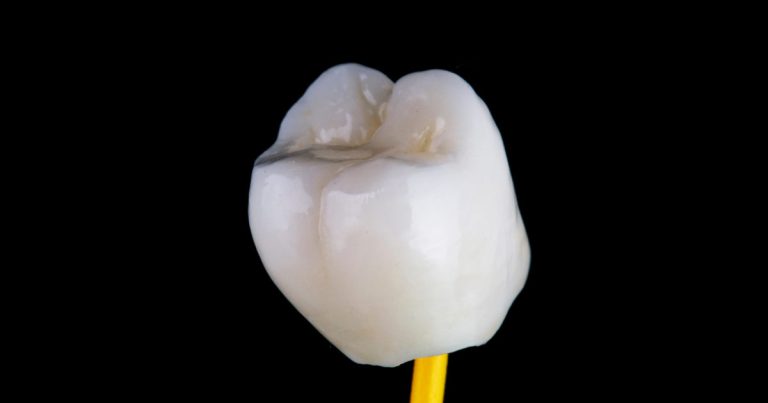
– Repairing tooth trauma: If the toothache is caused by tooth trauma, your dentist may need to repair the tooth with a filling, crown, or another type of dental restoration.

– Treating gum disease: If the toothache is caused by gum disease, the dentist will clean the teeth and gums to remove the bacteria that are causing the infection. They may also recommend medications or procedures to help control the infection and prevent it from recurring.

– Treating grinding or clenching: If the toothache is caused by grinding or clenching the teeth, the dentist may recommend a mouthguard to protect the teeth from further damage. They may also suggest strategies for managing stress and other factors that may contribute to grinding or clenching.

How long can I wait to have a toothache checked out by a dentist?

It is generally a good idea to see your dentist as soon as possible if you are experiencing a toothache. The longer you wait, the more likely it is that the underlying issue will become worse and more difficult to treat. If the toothache is severe or accompanied by other symptoms, such as fever, swelling, or difficulty swallowing, you should make an appointment right away.

Related Post

CEREC Same-Day Crown

CEREC Same-Day Crown

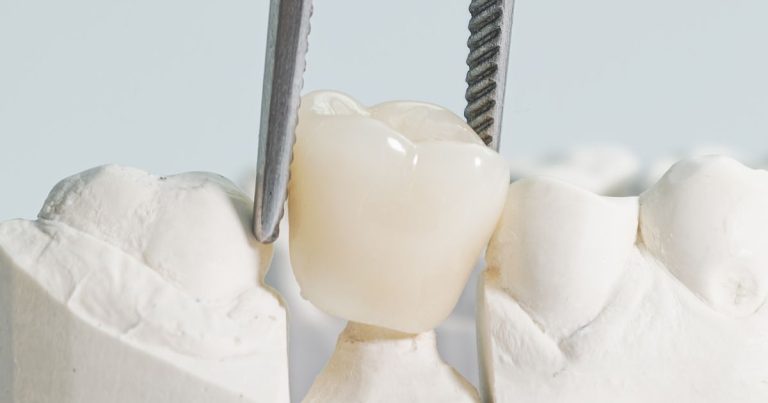
Modern dental technology has introduced convenient options like CEREC same-day crowns for restoring damaged teeth. Unlike traditional crowns that require multiple visits and temporary crowns, a CEREC crown is designed, milled, and placed in a single appointment. In this comprehensive guide, we’ll explain what CEREC crowns are, who might need one, how the procedure works, and what to expect before, during, and after treatment. We’ll also cover the benefits, potential drawbacks, alternatives, costs, and address common misconceptions about same-day crowns.   What Are CEREC Same-Day Crowns? A dental crown is a custom-made “cap” that covers a damaged or weakened

Read More »
Oral Cancer Screening

Oral Cancer Screening

Regular dental check-ups aren’t just about checking for cavities – they also include important preventive measures like oral cancer screenings. Dentists are often the first healthcare professionals to spot early signs of oral cancer during a routine in-office exam. In this article, we’ll explain what an oral cancer screening is, who should get them, what to expect during the exam, and why these quick, painless checks are such an essential part of preventive dental care. We’ll also address common myths, discuss HPV-related oral cancers and the HPV vaccine, and cover how often screenings are recommended and how insurance handles

Read More »
Amalgam Filling
Amalgam Fillings

Amalgam Fillings

What Are Amalgam Fillings? Amalgam fillings – often called “silver fillings” – are a common type of dental filling used to repair cavities caused by tooth decay. They are made from a mixture of metals, including liquid mercury and a powdered alloy of silver, tin, copper, and sometimes zinc. In fact, about 50% of an amalgam filling is elemental mercury by weight, which binds the other metals into a durable, solid filling. Amalgam has been used in dentistry for over 150 years as a safe, strong, and affordable restorative material. These silver-colored fillings are most often placed in back

Read More »

Related Post

CEREC Same-Day Crown
cem

CEREC Same-Day Crown

Modern dental technology has introduced convenient options like CEREC same-day crowns for restoring damaged teeth. Unlike traditional crowns that require multiple visits and temporary crowns, a CEREC crown is designed, milled, and placed in a single appointment. In this comprehensive guide, we’ll explain what CEREC crowns are, who might need one, how the procedure works, and what to expect before, during, and after treatment. We’ll also cover the benefits, potential drawbacks, alternatives, costs, and address common misconceptions about same-day crowns.   What Are CEREC Same-Day Crowns? A dental crown is a custom-made “cap” that covers a damaged or weakened

Read More »
Oral Cancer Screening
cem

Oral Cancer Screening

Regular dental check-ups aren’t just about checking for cavities – they also include important preventive measures like oral cancer screenings. Dentists are often the first healthcare professionals to spot early signs of oral cancer during a routine in-office exam. In this article, we’ll explain what an oral cancer screening is, who should get them, what to expect during the exam, and why these quick, painless checks are such an essential part of preventive dental care. We’ll also address common myths, discuss HPV-related oral cancers and the HPV vaccine, and cover how often screenings are recommended and how insurance handles

Read More »
Amalgam Filling
Amalgam Fillings
cem

Amalgam Fillings

What Are Amalgam Fillings? Amalgam fillings – often called “silver fillings” – are a common type of dental filling used to repair cavities caused by tooth decay. They are made from a mixture of metals, including liquid mercury and a powdered alloy of silver, tin, copper, and sometimes zinc. In fact, about 50% of an amalgam filling is elemental mercury by weight, which binds the other metals into a durable, solid filling. Amalgam has been used in dentistry for over 150 years as a safe, strong, and affordable restorative material. These silver-colored fillings are most often placed in back

Read More »
Skip to content