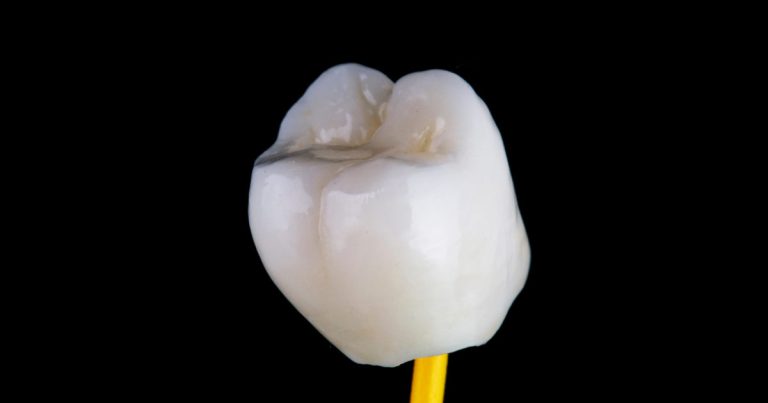
Gum Recession

What is gum recession?

Gum recession is a condition in which the gum tissue surrounding the teeth begins to pull away from the tooth, exposing more of the tooth or tooth root. Gum recession can be caused by a variety of factors, and it can lead to a number of serious oral health problems if left untreated.

What causes gum recession?

Gum recession can be caused by a variety of factors, including:

  • Gum disease: Gum disease, also known as periodontitis, is a common cause of gum recession. It occurs when the gums become inflamed and infected, leading to the loss of gum tissue and bone around the teeth.
  • Brushing too hard: Brushing the teeth too hard or using a toothbrush with hard bristles can cause the gums to recede.
  • Grinding or clenching: Grinding or clenching the teeth, also known as bruxism, can cause the gums to recede over time.
  • Poor oral hygiene: Not brushing the teeth properly can lead to a build-up of plaque and tartar, which can cause the gums to recede.
  • Genetics: Some people may be more prone to gum recession due to genetic factors.

How do I know if I have gum recession—what are the symptoms?

Some common symptoms of gum recession include:

  • Sensitivity to hot or cold beverages or foods
  • Tooth sensitivity when biting or chewing
  • A visible gap between the gum and tooth
  • Longer-looking teeth
  • Receding gum line

When should I seek treatment for gum recession?

If you notice any of the symptoms of gum recession, it is important to see a dentist as soon as possible. Gum recession can lead to a number of serious oral health problems if left untreated, such as tooth loss, bone loss, and an increased risk of gum disease.

What happens if gum recession goes untreated?

If gum recession goes untreated, it can lead to a number of serious oral health problems, including:

  • Tooth loss: Gum recession can lead to the loss of tooth structure, which can make the tooth more prone to decay and infection. If left untreated, the tooth may eventually fall out.
  • Bone loss: Gum recession can lead to the loss of bone tissue around the teeth, which can cause the teeth to become loose and more prone to falling out.
  • Increased risk of gum disease: Gum recession can make the gums more vulnerable to infection, increasing the risk of gum disease.

How is gum recession treated?

Treatment for gum recession will depend on the underlying cause and the severity of the recession. Some common treatments include:

  • Scaling and root planing: This procedure involves removing plaque and tartar from the teeth and smoothing the root surfaces to help the gums reattach to the teeth.
  • Soft tissue laser therapy: This non-invasive procedure uses lasers to stimulate the growth of gum tissue and help the gums reattach to the teeth.
  • Periodontal surgery: In more severe cases of gum recession, periodontal surgery may be necessary to repair the damaged gum tissue and bone. This may involve procedures such as pocket reduction surgery, bone grafting, or guided tissue regeneration.
  • Gum graft surgery: In this procedure, a piece of gum tissue is taken from another part of the mouth and grafted onto the area of recession. This can help to cover the exposed tooth root and protect it from further damage.

Can gum recession be prevented?

It is important to note that gum recession can be prevented by maintaining good oral hygiene and seeing a dentist regularly for cleanings and check-ups. Brush the teeth gently using a soft-bristled toothbrush and a toothpaste that contains fluoride, and floss daily to remove plaque and food particles from between the teeth. Avoid smoking and excessive alcohol consumption, as these habits can increase the risk of gum recession and other oral health problems.

Related Post

Porcelain Crown
Porcelain Crowns

Porcelain Crowns

Introduction A porcelain crown is one of the most common options patients ask about when they need a tooth restored and still want it to look natural. Maybe a tooth broke. Maybe an old filling is too large to repair again. Maybe a root-canal-treated tooth needs more protection. Or maybe a front tooth is dark, worn, misshapen, or covered by an old crown that no longer blends in. “Porcelain crown” sounds simple, but it can mean several different things in modern dentistry. Some crowns are porcelain fused to metal. Some are all-ceramic. Some are zirconia. Some are lithium disilicate.

Read More »
Nightguards
Nightguards

Nightguards

Introduction Many people first hear about nightguards after a dentist points out worn teeth, cracked fillings, chipped enamel, sore jaw muscles, or damage to expensive dental work. Others search for nightguards because they wake up with jaw pain, headaches, tooth sensitivity, or because a partner hears them grinding their teeth at night. A nightguard can be a helpful protective appliance, but it is often misunderstood. It does not necessarily “cure” grinding. It does not automatically fix every jaw problem. It is not the same as a sports mouthguard. It is not the same as a sleep apnea oral appliance.

Read More »
snap-on smile
Snap-On Smile

Snap-On Smile

Introduction Snap-On Smile is one of those dental topics that can sound almost too good to be true. Patients often find it while searching for a fast way to improve their smile without drilling, shots, braces, veneers, crowns, implants, or a long treatment plan. That interest is understandable. Many people feel embarrassed about stained teeth, gaps, chips, missing teeth, worn teeth, old dental work, or a smile that no longer looks the way they want. Others are anxious about dental treatment, worried about cost, or not ready to commit to permanent cosmetic dentistry. Snap-On Smile may be a helpful

Read More »

Related Post

Porcelain Crown
Porcelain Crowns
cem

Porcelain Crowns

Introduction A porcelain crown is one of the most common options patients ask about when they need a tooth restored and still want it to look natural. Maybe a tooth broke. Maybe an old filling is too large to repair again. Maybe a root-canal-treated tooth needs more protection. Or maybe a front tooth is dark, worn, misshapen, or covered by an old crown that no longer blends in. “Porcelain crown” sounds simple, but it can mean several different things in modern dentistry. Some crowns are porcelain fused to metal. Some are all-ceramic. Some are zirconia. Some are lithium disilicate.

Read More »
Nightguards
Nightguards
cem

Nightguards

Introduction Many people first hear about nightguards after a dentist points out worn teeth, cracked fillings, chipped enamel, sore jaw muscles, or damage to expensive dental work. Others search for nightguards because they wake up with jaw pain, headaches, tooth sensitivity, or because a partner hears them grinding their teeth at night. A nightguard can be a helpful protective appliance, but it is often misunderstood. It does not necessarily “cure” grinding. It does not automatically fix every jaw problem. It is not the same as a sports mouthguard. It is not the same as a sleep apnea oral appliance.

Read More »
snap-on smile
Snap-On Smile
cem

Snap-On Smile

Introduction Snap-On Smile is one of those dental topics that can sound almost too good to be true. Patients often find it while searching for a fast way to improve their smile without drilling, shots, braces, veneers, crowns, implants, or a long treatment plan. That interest is understandable. Many people feel embarrassed about stained teeth, gaps, chips, missing teeth, worn teeth, old dental work, or a smile that no longer looks the way they want. Others are anxious about dental treatment, worried about cost, or not ready to commit to permanent cosmetic dentistry. Snap-On Smile may be a helpful

Read More »
Skip to content