TMJ Temporomandibular Joint Disfunction

TMJ Temporomandibular Joint Disfunction

The joints that allow for the movement of the jaw are called the Temporomandibular Joints (TMJ). Sometimes, problems can arise from these joints.

It’s not always easy to tell when head and neck pain or other issues might be the result of a Temporomandibular Joint Disorder or Dysfunction (TMD), so it’s important to seek professional diagnosis and treatment if you have any of the related symptoms. These symptoms usually include pain in the jaw joints or a dull ache in surrounding areas, like the face, ears, neck, and shoulders.

Some signs that a TMD is present include:

  • Jaw pain or soreness in the late morning/late afternoon
  • Pain in the jaw when eating and chewing
  • Popping or clicking of the jaw when opening or closing the mouth
  • Tension headaches
  • Stiffness of the jaw during eating or talking
  • An earache in the absence of an ear infection
  • Tooth sensitivity when no dental problems are present

Talk to your dentist if you are experiencing any of these symptoms.

What treatment is available for TMD?

You’ll be relieved to hear that most treatments for TMJ disorders don’t require anything as extreme as surgery. Various dental appliances are available that can help reduce the strain on the jaw muscles and provide relief. These include mouthguards and splints.

In some cases, the TMD may be the result of a problem with the way the patient’s teeth fit together. An improper bite may need adjustment in order to remove the cause of the trouble. This means fixing anything that could be causing the jaw from closing properly and can involve orthodontic treatment or just some reshaping of the teeth.

How can TMD pain be treated at home?

It’s best to speak to your dentist about the treatment methods that are best for you. Some of the following at-home methods of finding pain relief may be suggested:

  • Avoid opening your jaw too wide for too long
  • Take hard or chewy foods out of your diet
  • Switch between applying cold and heat to the site of pain for 10-minute periods
  • Some medications or physical therapy may be recommended
Related Post

CEREC Same-Day Crown

CEREC Same-Day Crown

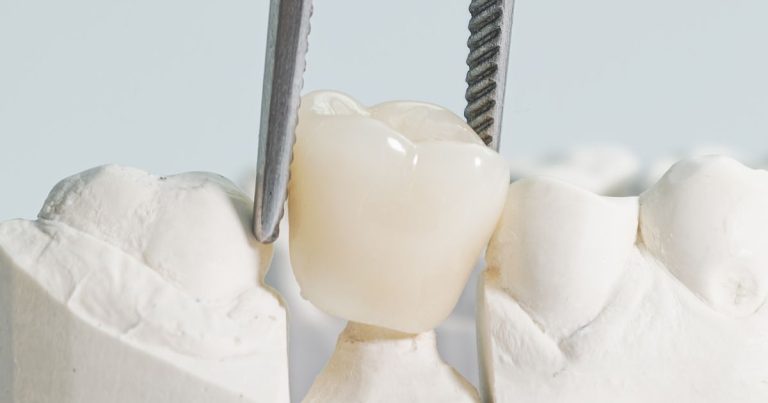
Modern dental technology has introduced convenient options like CEREC same-day crowns for restoring damaged teeth. Unlike traditional crowns that require multiple visits and temporary crowns, a CEREC crown is designed, milled, and placed in a single appointment. In this comprehensive guide, we’ll explain what CEREC crowns are, who might need one, how the procedure works, and what to expect before, during, and after treatment. We’ll also cover the benefits, potential drawbacks, alternatives, costs, and address common misconceptions about same-day crowns.   What Are CEREC Same-Day Crowns? A dental crown is a custom-made “cap” that covers a damaged or weakened

Read More »
Oral Cancer Screening

Oral Cancer Screening

Regular dental check-ups aren’t just about checking for cavities – they also include important preventive measures like oral cancer screenings. Dentists are often the first healthcare professionals to spot early signs of oral cancer during a routine in-office exam. In this article, we’ll explain what an oral cancer screening is, who should get them, what to expect during the exam, and why these quick, painless checks are such an essential part of preventive dental care. We’ll also address common myths, discuss HPV-related oral cancers and the HPV vaccine, and cover how often screenings are recommended and how insurance handles

Read More »
Amalgam Filling
Amalgam Fillings

Amalgam Fillings

What Are Amalgam Fillings? Amalgam fillings – often called “silver fillings” – are a common type of dental filling used to repair cavities caused by tooth decay. They are made from a mixture of metals, including liquid mercury and a powdered alloy of silver, tin, copper, and sometimes zinc. In fact, about 50% of an amalgam filling is elemental mercury by weight, which binds the other metals into a durable, solid filling. Amalgam has been used in dentistry for over 150 years as a safe, strong, and affordable restorative material. These silver-colored fillings are most often placed in back

Read More »

Related Post

CEREC Same-Day Crown
cem

CEREC Same-Day Crown

Modern dental technology has introduced convenient options like CEREC same-day crowns for restoring damaged teeth. Unlike traditional crowns that require multiple visits and temporary crowns, a CEREC crown is designed, milled, and placed in a single appointment. In this comprehensive guide, we’ll explain what CEREC crowns are, who might need one, how the procedure works, and what to expect before, during, and after treatment. We’ll also cover the benefits, potential drawbacks, alternatives, costs, and address common misconceptions about same-day crowns.   What Are CEREC Same-Day Crowns? A dental crown is a custom-made “cap” that covers a damaged or weakened

Read More »
Oral Cancer Screening
cem

Oral Cancer Screening

Regular dental check-ups aren’t just about checking for cavities – they also include important preventive measures like oral cancer screenings. Dentists are often the first healthcare professionals to spot early signs of oral cancer during a routine in-office exam. In this article, we’ll explain what an oral cancer screening is, who should get them, what to expect during the exam, and why these quick, painless checks are such an essential part of preventive dental care. We’ll also address common myths, discuss HPV-related oral cancers and the HPV vaccine, and cover how often screenings are recommended and how insurance handles

Read More »
Amalgam Filling
Amalgam Fillings
cem

Amalgam Fillings

What Are Amalgam Fillings? Amalgam fillings – often called “silver fillings” – are a common type of dental filling used to repair cavities caused by tooth decay. They are made from a mixture of metals, including liquid mercury and a powdered alloy of silver, tin, copper, and sometimes zinc. In fact, about 50% of an amalgam filling is elemental mercury by weight, which binds the other metals into a durable, solid filling. Amalgam has been used in dentistry for over 150 years as a safe, strong, and affordable restorative material. These silver-colored fillings are most often placed in back

Read More »
Skip to content