Veneers

WHAT ARE DENTAL VENEERS?

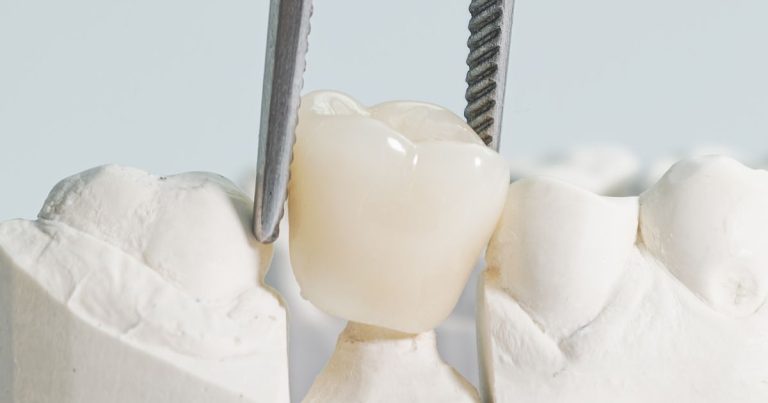
Dental veneers are thin shells that are meant to cover the front of your teeth in order to improve their appearance. Veneers are bonded to the tooth in order to change their shape, color, length or size. Dental veneers are typically made of resin composite or porcelain. Whether you are getting this procedure to correct discoloration or fix a tooth, veneers are a great option that should be discussed with your dentist.

The procedure for dental veneers is performed by your dentist and typically takes 3 visits to complete.

Step 1: Treatment Options

To begin, you want to speak with your dentist about what you want to accomplish and if veneers would be a good option for your needs.

Step 2: Preparing

Once your dentist has determined that veneers are good for your specific case, they will then begin to prepare the tooth. The dentist will remove about 1/2 millimeter of enamel from the tooth’s surface, which is the thickness of the veneer. Your dentist will also take an impression of the tooth to make sure the veneer fits perfectly on your tooth. The impression will be sent to a lab so the veneer can be created, usually taking 2-4 weeks.

Step 3: Fitting the Veneer

Once your dentist receives the veneer back from the lab, they will temporarily place it on the tooth and make any adjustments needed in order for it to fit correctly.

Step 4: Preparing the Tooth

After the veneer is properly fitted, the dentist will then clean the tooth receiving the veneer and roughen the tooth slightly to make it easier for the veneer to hold.

Step 5: Cementing the Veneer

The dentist will use a bonding agent to cement the veneer on to the tooth. A special light is used to harden the bonding agent, permanently placing the veneer on your tooth.

You will follow up with the dentist after a couple weeks to make sure the dental veneer is holding and to check that your gums are not responding negatively. You should continue proper dental hygiene and treat your dental veneer just like you would your permanent teeth.

Dental Veneer FAQ

General / Basics

Veneers are thin, custom-made shells that bond to the front surface of your teeth. They are typically made from porcelain or composite resin and are designed to improve the shape, color, size, or alignment of your smile.

Veneers are ideal for correcting cosmetic imperfections such as chipped, stained, discolored, slightly misaligned, or unevenly shaped teeth. They provide a natural, long-lasting smile makeover.

A small amount of enamel is gently removed from the front of the tooth to make room for the veneer. The veneer is then bonded securely to the tooth, creating a durable and natural-looking enhancement.

Candidacy

Are there age restrictions for veneers?

Veneers are usually recommended for adults or older teens with fully developed teeth. Younger patients may need alternative treatments until their permanent teeth and bite are stable.

Patients with gum disease, untreated cavities, or teeth weakened by decay may need restorative treatment before veneers. Those with severe teeth grinding (bruxism) may also require protection like a night guard.

Procedure / Experience

At your first visit, the dentist will discuss your goals, take impressions, and prepare your teeth by reshaping a thin layer of enamel. Temporary veneers may be placed. At the second visit, the permanent veneers are bonded and adjusted for fit and comfort.

Traditional porcelain veneers typically require two visits over 1–3 weeks. Composite veneers may be completed in a single appointment.

Most patients feel little to no discomfort. Local anesthesia may be used during preparation to keep you comfortable.

In many cases, yes—especially for porcelain veneers where enamel must be removed. For minimal-prep veneers, anesthesia is often not required.

Results

Porcelain veneers last 10–15 years on average, while composite veneers usually last 5–7 years. With good care, they can last longer.

Yes. High-quality veneers are custom-shaded and shaped to blend seamlessly with your natural teeth.

Most won’t notice unless you tell them—veneers are designed to look like real teeth, only brighter and more even.

Recovery / Aftercare

Recovery is quick. Some patients experience mild sensitivity to hot or cold foods for a few days, but you can usually resume normal activities immediately.

You can eat normally once your veneers are bonded, but avoid biting directly into very hard foods (ice, hard candy) that may chip them.

Brush and floss daily as you would natural teeth. Regular checkups help ensure veneers remain in good condition. Avoid using your teeth as tools or chewing on non-food objects.

Safety / Risks

Yes, veneers are a safe and proven cosmetic treatment when placed by an experienced dentist.

Risks include tooth sensitivity, chipping, or eventual replacement if the veneer loosens over time. Because enamel is permanently removed, the procedure is not reversible.

Careful planning, precise enamel removal, and custom shading ensure your veneers fit securely and look natural while preserving as much of your natural tooth as possible.

Cost & Insurance

The cost varies by material and number of teeth treated. Porcelain veneers generally range from $900–$2,500 per tooth, while composite veneers are usually less expensive.

Veneers are considered a cosmetic procedure and are rarely covered by insurance. Some practices offer financing or payment plans.

Most dental offices provide flexible financing options to make veneers more affordable.

Alternatives & Comparisons

Alternatives include teeth whitening, dental bonding, orthodontics, or dental crowns—depending on your cosmetic and functional needs.

Crowns cover the entire tooth and are used for structural restoration, while veneers only cover the front surface and are primarily cosmetic.

Whitening brightens natural teeth but doesn’t change shape or cover deep discoloration. Veneers both whiten and reshape teeth for a more dramatic, long-term result.

Lifestyle Impact

Porcelain veneers resist stains better than natural enamel. Composite veneers can stain more easily. Both materials can chip if you bite hard objects or grind your teeth.

Yes. Veneers are durable, but it’s best to avoid chewing ice, hard candy, or using your teeth to open packages.

No special products are necessary. Regular fluoride toothpaste and floss are sufficient. If you grind your teeth, a night guard may be recommended to protect your veneers.

Related Post

VELscope-oral-cancer-detection
VELscope

VELscope for Oral Cancer Detection

Oral cancer screening is a routine (and important) part of most dental checkups. In addition to the standard visual and tactile exam under white light, some dental offices use light-based technology such as VELscope to help identify tissue changes that may not be obvious to the naked eye. VELscope is not a substitute for a dentist’s exam or a biopsy—it’s considered an adjunctive tool that can help the dentist decide whether an area needs closer evaluation or referral.   Key takeaways VELscope uses blue light to make healthy vs. suspicious oral tissue look different by highlighting changes in natural

Read More »
Tooth-colored Filling - Composite Filling
Composite Fillings (Tooth-Colored Fillings)

Tooth-Colored Fillings (Composite Fillings)

Composite fillings – also known as tooth-colored fillings, white fillings, or composite resin fillings – are a modern dental restoration used to repair cavities and minor tooth damage. Unlike old-fashioned metal fillings, composite fillings blend in with your natural tooth color, making them nearly invisible in your smile. These fillings are made from a mixture of plastic resin and finely ground glass particles, creating a durable material that bonds directly to the tooth. Composite resin has become one of the most common filling materials today, often preferred over silver amalgam because of its natural appearance and reliable performance. In

Read More »

WHAT ARE DENTAL VENEERS?

Dental veneers are thin shells that are meant to cover the front of your teeth in order to improve their appearance. Veneers are bonded to the tooth in order to change their shape, color, length or size. Dental veneers are typically made of resin composite or porcelain. Whether you are getting this procedure to correct discoloration or fix a tooth, veneers are a great option that should be discussed with your dentist.

The procedure for dental veneers is performed by your dentist and typically takes 3 visits to complete.

Step 1: Treatment Options

To begin, you want to speak with your dentist about what you want to accomplish and if veneers would be a good option for your needs.

Step 2: Preparing

Once your dentist has determined that veneers are good for your specific case, they will then begin to prepare the tooth. The dentist will remove about 1/2 millimeter of enamel from the tooth’s surface, which is the thickness of the veneer. Your dentist will also take an impression of the tooth to make sure the veneer fits perfectly on your tooth. The impression will be sent to a lab so the veneer can be created, usually taking 2-4 weeks.

Step 3: Fitting the Veneer

Once your dentist receives the veneer back from the lab, they will temporarily place it on the tooth and make any adjustments needed in order for it to fit correctly.

Step 4: Preparing the Tooth

After the veneer is properly fitted, the dentist will then clean the tooth receiving the veneer and roughen the tooth slightly to make it easier for the veneer to hold.

Step 5: Cementing the Veneer

The dentist will use a bonding agent to cement the veneer on to the tooth. A special light is used to harden the bonding agent, permanently placing the veneer on your tooth.

You will follow up with the dentist after a couple weeks to make sure the dental veneer is holding and to check that your gums are not responding negatively. You should continue proper dental hygiene and treat your dental veneer just like you would your permanent teeth.

Dental Veneer FAQ

General / Basics

Veneers are thin, custom-made shells that bond to the front surface of your teeth. They are typically made from porcelain or composite resin and are designed to improve the shape, color, size, or alignment of your smile.

Veneers are ideal for correcting cosmetic imperfections such as chipped, stained, discolored, slightly misaligned, or unevenly shaped teeth. They provide a natural, long-lasting smile makeover.

A small amount of enamel is gently removed from the front of the tooth to make room for the veneer. The veneer is then bonded securely to the tooth, creating a durable and natural-looking enhancement.

Candidacy

Are there age restrictions for veneers?

Veneers are usually recommended for adults or older teens with fully developed teeth. Younger patients may need alternative treatments until their permanent teeth and bite are stable.

Patients with gum disease, untreated cavities, or teeth weakened by decay may need restorative treatment before veneers. Those with severe teeth grinding (bruxism) may also require protection like a night guard.

Procedure / Experience

At your first visit, the dentist will discuss your goals, take impressions, and prepare your teeth by reshaping a thin layer of enamel. Temporary veneers may be placed. At the second visit, the permanent veneers are bonded and adjusted for fit and comfort.

Traditional porcelain veneers typically require two visits over 1–3 weeks. Composite veneers may be completed in a single appointment.

Most patients feel little to no discomfort. Local anesthesia may be used during preparation to keep you comfortable.

In many cases, yes—especially for porcelain veneers where enamel must be removed. For minimal-prep veneers, anesthesia is often not required.

Results

Porcelain veneers last 10–15 years on average, while composite veneers usually last 5–7 years. With good care, they can last longer.

Yes. High-quality veneers are custom-shaded and shaped to blend seamlessly with your natural teeth.

Most won’t notice unless you tell them—veneers are designed to look like real teeth, only brighter and more even.

Recovery / Aftercare

Recovery is quick. Some patients experience mild sensitivity to hot or cold foods for a few days, but you can usually resume normal activities immediately.

You can eat normally once your veneers are bonded, but avoid biting directly into very hard foods (ice, hard candy) that may chip them.

Brush and floss daily as you would natural teeth. Regular checkups help ensure veneers remain in good condition. Avoid using your teeth as tools or chewing on non-food objects.

Safety / Risks

Yes, veneers are a safe and proven cosmetic treatment when placed by an experienced dentist.

Risks include tooth sensitivity, chipping, or eventual replacement if the veneer loosens over time. Because enamel is permanently removed, the procedure is not reversible.

Careful planning, precise enamel removal, and custom shading ensure your veneers fit securely and look natural while preserving as much of your natural tooth as possible.

Cost & Insurance

The cost varies by material and number of teeth treated. Porcelain veneers generally range from $900–$2,500 per tooth, while composite veneers are usually less expensive.

Veneers are considered a cosmetic procedure and are rarely covered by insurance. Some practices offer financing or payment plans.

Most dental offices provide flexible financing options to make veneers more affordable.

Alternatives & Comparisons

Alternatives include teeth whitening, dental bonding, orthodontics, or dental crowns—depending on your cosmetic and functional needs.

Crowns cover the entire tooth and are used for structural restoration, while veneers only cover the front surface and are primarily cosmetic.

Whitening brightens natural teeth but doesn’t change shape or cover deep discoloration. Veneers both whiten and reshape teeth for a more dramatic, long-term result.

Lifestyle Impact

Porcelain veneers resist stains better than natural enamel. Composite veneers can stain more easily. Both materials can chip if you bite hard objects or grind your teeth.

Yes. Veneers are durable, but it’s best to avoid chewing ice, hard candy, or using your teeth to open packages.

No special products are necessary. Regular fluoride toothpaste and floss are sufficient. If you grind your teeth, a night guard may be recommended to protect your veneers.
Related Post

VELscope-oral-cancer-detection
VELscope
cem

VELscope for Oral Cancer Detection

Oral cancer screening is a routine (and important) part of most dental checkups. In addition to the standard visual and tactile exam under white light, some dental offices use light-based technology such as VELscope to help identify tissue changes that may not be obvious to the naked eye. VELscope is not a substitute for a dentist’s exam or a biopsy—it’s considered an adjunctive tool that can help the dentist decide whether an area needs closer evaluation or referral.   Key takeaways VELscope uses blue light to make healthy vs. suspicious oral tissue look different by highlighting changes in natural

Read More »
Tooth-colored Filling - Composite Filling
Composite Fillings (Tooth-Colored Fillings)
cem

Tooth-Colored Fillings (Composite Fillings)

Composite fillings – also known as tooth-colored fillings, white fillings, or composite resin fillings – are a modern dental restoration used to repair cavities and minor tooth damage. Unlike old-fashioned metal fillings, composite fillings blend in with your natural tooth color, making them nearly invisible in your smile. These fillings are made from a mixture of plastic resin and finely ground glass particles, creating a durable material that bonds directly to the tooth. Composite resin has become one of the most common filling materials today, often preferred over silver amalgam because of its natural appearance and reliable performance. In

Read More »
Skip to content