Plaque

What are Plaque and Tartar?

Plaque is a sticky, colorless film of bacteria that naturally forms on our teeth each day. The bacteria in plaque can react with the sugars and starches in the food we eat, resulting in an acid that gradually dissolves tooth enamel. This process, if not stopped, will result in tooth decay and the eventual destruction of the tooth.

While plaque can be removed with proper brushing and flossing, any plaque that is missed will harden into tartar. Tartar, or dental calculus, cannot be removed by brushing; it requires special tools used by dentists in order to be safely eliminated.

The acids produced by plaque can do more than just damage teeth enamel. They can irritate gums, resulting in redness and bleeding. As this progresses into gum disease, the gums will begin to pull away from the teeth, and the tissue and bones holding the teeth in place will begin to break down.

This is why good home care and regular professional dental cleanings are needed in order to keep your mouth and teeth healthy. Diet can also help slow down the development of plaque by avoiding sticky and sugary foods that may result in sugar staying on your teeth for long periods of time.

Related Post

Porcelain Crown
Porcelain Crowns

Porcelain Crowns

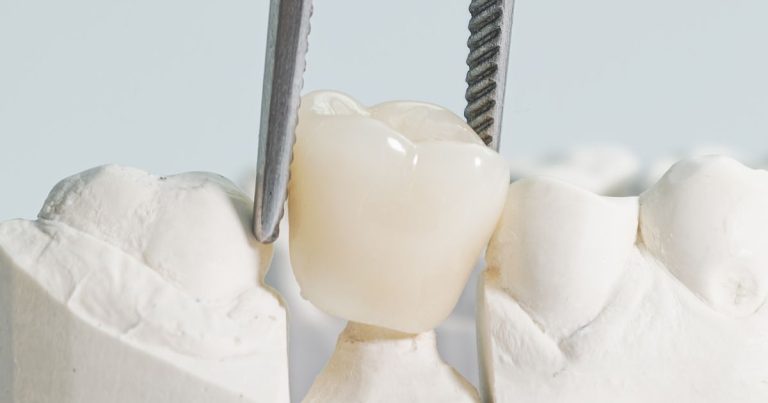
Introduction A porcelain crown is one of the most common options patients ask about when they need a tooth restored and still want it to look natural. Maybe a tooth broke. Maybe an old filling is too large to repair again. Maybe a root-canal-treated tooth needs more protection. Or maybe a front tooth is dark, worn, misshapen, or covered by an old crown that no longer blends in. “Porcelain crown” sounds simple, but it can mean several different things in modern dentistry. Some crowns are porcelain fused to metal. Some are all-ceramic. Some are zirconia. Some are lithium disilicate.

Read More »
Nightguards
Nightguards

Nightguards

Introduction Many people first hear about nightguards after a dentist points out worn teeth, cracked fillings, chipped enamel, sore jaw muscles, or damage to expensive dental work. Others search for nightguards because they wake up with jaw pain, headaches, tooth sensitivity, or because a partner hears them grinding their teeth at night. A nightguard can be a helpful protective appliance, but it is often misunderstood. It does not necessarily “cure” grinding. It does not automatically fix every jaw problem. It is not the same as a sports mouthguard. It is not the same as a sleep apnea oral appliance.

Read More »
snap-on smile
Snap-On Smile

Snap-On Smile

Introduction Snap-On Smile is one of those dental topics that can sound almost too good to be true. Patients often find it while searching for a fast way to improve their smile without drilling, shots, braces, veneers, crowns, implants, or a long treatment plan. That interest is understandable. Many people feel embarrassed about stained teeth, gaps, chips, missing teeth, worn teeth, old dental work, or a smile that no longer looks the way they want. Others are anxious about dental treatment, worried about cost, or not ready to commit to permanent cosmetic dentistry. Snap-On Smile may be a helpful

Read More »

Related Post

Porcelain Crown
Porcelain Crowns
cem

Porcelain Crowns

Introduction A porcelain crown is one of the most common options patients ask about when they need a tooth restored and still want it to look natural. Maybe a tooth broke. Maybe an old filling is too large to repair again. Maybe a root-canal-treated tooth needs more protection. Or maybe a front tooth is dark, worn, misshapen, or covered by an old crown that no longer blends in. “Porcelain crown” sounds simple, but it can mean several different things in modern dentistry. Some crowns are porcelain fused to metal. Some are all-ceramic. Some are zirconia. Some are lithium disilicate.

Read More »
Nightguards
Nightguards
cem

Nightguards

Introduction Many people first hear about nightguards after a dentist points out worn teeth, cracked fillings, chipped enamel, sore jaw muscles, or damage to expensive dental work. Others search for nightguards because they wake up with jaw pain, headaches, tooth sensitivity, or because a partner hears them grinding their teeth at night. A nightguard can be a helpful protective appliance, but it is often misunderstood. It does not necessarily “cure” grinding. It does not automatically fix every jaw problem. It is not the same as a sports mouthguard. It is not the same as a sleep apnea oral appliance.

Read More »
snap-on smile
Snap-On Smile
cem

Snap-On Smile

Introduction Snap-On Smile is one of those dental topics that can sound almost too good to be true. Patients often find it while searching for a fast way to improve their smile without drilling, shots, braces, veneers, crowns, implants, or a long treatment plan. That interest is understandable. Many people feel embarrassed about stained teeth, gaps, chips, missing teeth, worn teeth, old dental work, or a smile that no longer looks the way they want. Others are anxious about dental treatment, worried about cost, or not ready to commit to permanent cosmetic dentistry. Snap-On Smile may be a helpful

Read More »
Skip to content