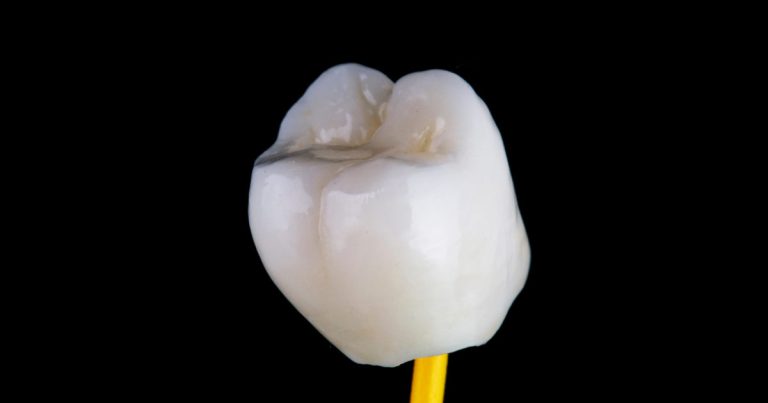
Preventing Tooth Damage

Protect your tooth enamel

You may be surprised to learn that tooth enamel is actually the hardest substance in the human body. That doesn’t mean it can’t be damaged, as cracked, chipped, or broken teeth are quite common. To prevent this sort of damage, it’s very important to take care of our teeth; and this goes beyond good oral hygiene. There are many kinds of techniques, habits, and foods that can do damage to tooth enamel.

Be careful what you bite down on

Chewing on ice cubes or popcorn kernels are common examples of things people do that can cause damage to tooth enamel. Eating or drinking things with high acidic content can also weaken tooth enamel, making it more susceptible to damage.

It isn’t just food, either, as biting fingernails, chewing on pens or pencils, and opening packages with your teeth can result in damage as well.

Teeth clenching and grinding

A very common way people damage their tooth enamel is through bruxism. Bruxism is the term for jaw clenching your jaw or teeth grinding, whether done when a person is awake or asleep. When you continue to do this, your teeth become worn down, which is what we call attrition. Root dentin can become exposed if your attrition becomes serious enough. When dentin is exposed, your teeth become very sensitive to hot and cold. Not only does clenching and grinding damage teeth, it can also cause damage to the ligaments in your jaw and alveolar bone. The damage can lead to periodontal disease.

There are a number of treatments available for bruxism, including night guards and bite correction.

The causes and management of bruxism are complex. Nightguards and, sometimes, bite correction can balance forces applied to the teeth by bruxism. However, treating bruxism may involve evaluating for sleep disorders, medication management, and evaluation of psychosocial factors.

Oral Piercings

Oral piercings deserve special mention, as they pose a number of oral health risks.

Some of these health risks include:

  • Bleeding
  • Infections
  • Swelling
  • Chipped teeth
  • Airway Obstruction
  • Hypersalivation
  • Gum Recession
  • Scarring

Some of these issues are fairly common among people who have oral piercings. One study found that gum recession occurred in 50% of people who had a lip piercing and 44% who had a tongue piercing. In the same study, 26% of the individuals with a tongue piercing had some form of tooth damage.

Because there are no regulations over body piercings, caution must be taken when getting one. In addition to the health concerns above, there is also a risk of contracting hepatitis and other blood-borne diseases due to unclean piercing needles.

How to care for oral piercings

If you have any kind of oral piercing already, there are some ways to make sure you limit the risk of issues. Practicing good oral hygiene, like brushing and flossing twice per day, using toothpaste with fluoride, and using a mouthwash that is alcohol-free.

It is important to keep the piercing site clean and be sure to notice any signs of potential issues. These include any pain, tenderness, swelling, or unusual discharges from the piercing site.

Besides choosing not to get an oral piercing, the best way to keep a healthy mouth is through good oral hygiene and routine trips to the dentist. If you do have an oral piercing, your dentist will be able to give you tips on how to best care for it.

Related Post

CEREC Same-Day Crown

CEREC Same-Day Crown

Modern dental technology has introduced convenient options like CEREC same-day crowns for restoring damaged teeth. Unlike traditional crowns that require multiple visits and temporary crowns, a CEREC crown is designed, milled, and placed in a single appointment. In this comprehensive guide, we’ll explain what CEREC crowns are, who might need one, how the procedure works, and what to expect before, during, and after treatment. We’ll also cover the benefits, potential drawbacks, alternatives, costs, and address common misconceptions about same-day crowns.   What Are CEREC Same-Day Crowns? A dental crown is a custom-made “cap” that covers a damaged or weakened

Read More »
Oral Cancer Screening

Oral Cancer Screening

Regular dental check-ups aren’t just about checking for cavities – they also include important preventive measures like oral cancer screenings. Dentists are often the first healthcare professionals to spot early signs of oral cancer during a routine in-office exam. In this article, we’ll explain what an oral cancer screening is, who should get them, what to expect during the exam, and why these quick, painless checks are such an essential part of preventive dental care. We’ll also address common myths, discuss HPV-related oral cancers and the HPV vaccine, and cover how often screenings are recommended and how insurance handles

Read More »
Amalgam Filling
Amalgam Fillings

Amalgam Fillings

What Are Amalgam Fillings? Amalgam fillings – often called “silver fillings” – are a common type of dental filling used to repair cavities caused by tooth decay. They are made from a mixture of metals, including liquid mercury and a powdered alloy of silver, tin, copper, and sometimes zinc. In fact, about 50% of an amalgam filling is elemental mercury by weight, which binds the other metals into a durable, solid filling. Amalgam has been used in dentistry for over 150 years as a safe, strong, and affordable restorative material. These silver-colored fillings are most often placed in back

Read More »

Related Post

CEREC Same-Day Crown
cem

CEREC Same-Day Crown

Modern dental technology has introduced convenient options like CEREC same-day crowns for restoring damaged teeth. Unlike traditional crowns that require multiple visits and temporary crowns, a CEREC crown is designed, milled, and placed in a single appointment. In this comprehensive guide, we’ll explain what CEREC crowns are, who might need one, how the procedure works, and what to expect before, during, and after treatment. We’ll also cover the benefits, potential drawbacks, alternatives, costs, and address common misconceptions about same-day crowns.   What Are CEREC Same-Day Crowns? A dental crown is a custom-made “cap” that covers a damaged or weakened

Read More »
Oral Cancer Screening
cem

Oral Cancer Screening

Regular dental check-ups aren’t just about checking for cavities – they also include important preventive measures like oral cancer screenings. Dentists are often the first healthcare professionals to spot early signs of oral cancer during a routine in-office exam. In this article, we’ll explain what an oral cancer screening is, who should get them, what to expect during the exam, and why these quick, painless checks are such an essential part of preventive dental care. We’ll also address common myths, discuss HPV-related oral cancers and the HPV vaccine, and cover how often screenings are recommended and how insurance handles

Read More »
Amalgam Filling
Amalgam Fillings
cem

Amalgam Fillings

What Are Amalgam Fillings? Amalgam fillings – often called “silver fillings” – are a common type of dental filling used to repair cavities caused by tooth decay. They are made from a mixture of metals, including liquid mercury and a powdered alloy of silver, tin, copper, and sometimes zinc. In fact, about 50% of an amalgam filling is elemental mercury by weight, which binds the other metals into a durable, solid filling. Amalgam has been used in dentistry for over 150 years as a safe, strong, and affordable restorative material. These silver-colored fillings are most often placed in back

Read More »
Skip to content