Mouthwash

Should You Be Using a Mouthwash?

Brushing and flossing are the most crucial elements of a home oral hygiene routine and should be your main focus. There are some cases where a mouthwash/mouthrinse can be helpful, however, and mouthwash has the benefit of reaching areas that might be missed by a toothbrush.

Types of mouthwash

The best type of mouthwash for you will depend on your needs. You should be aware that there are two main types of mouthwash: therapeutic and cosmetic. The latter type may be used to control bad breath and leave a pleasant taste behind, but as they don’t kill bacteria, they offer no health benefits.


Therapeutic mouthwashes can be available over-the-counter or by prescription, and can be used to treat a number of different conditions.


Mouthwashes containing fluoride can be helpful for those who struggle with tooth decay, or who have braces and have a hard time reaching every part of their tooth with their toothbrush.


Antibacterial mouthwash can help disrupt bacteria, and help those with chronic gingivitis, but shouldn’t be used as a substitute for brushing and flossing—the bacteria will begin to return within 20 minutes. (For disturbing bacteria in hard-to-reach areas when your toothbrush isn’t available, sugar-free chewing gum (such as those with sorbitol) may be more effective.)


For those who suffer from dry mouth (xerostomia)—which can make teeth more prone to decay—some types of mouthrinse are specially formulated to help with this problem.


Some other conditions different kinds of therapeutic mouthwash has been created for include:
  • Plaque control
  • Bad breath
  • Dry socket
  • Topical pain relief
  • Teeth whitening

Is mouthwash right for you?

Before deciding to use a mouthwash, consult your dentist to see if one is recommended for your specific needs. An ADA-approved, over-the-counter mouthwash may be suggested, or in some cases, the dentist may suggest a prescription mouthrinse.


Whether to use the mouthwash before or after brushing, or if you should rinse with water between the two, can depend on the type of mouthwash; some can react to the chemicals in the toothpaste, making them less effective. Be sure to check before starting with a new mouthwash.

Related Post

Porcelain Crown
Porcelain Crowns

Porcelain Crowns

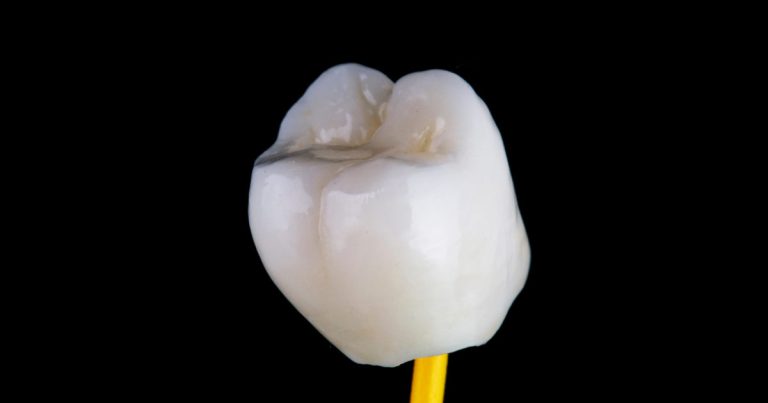
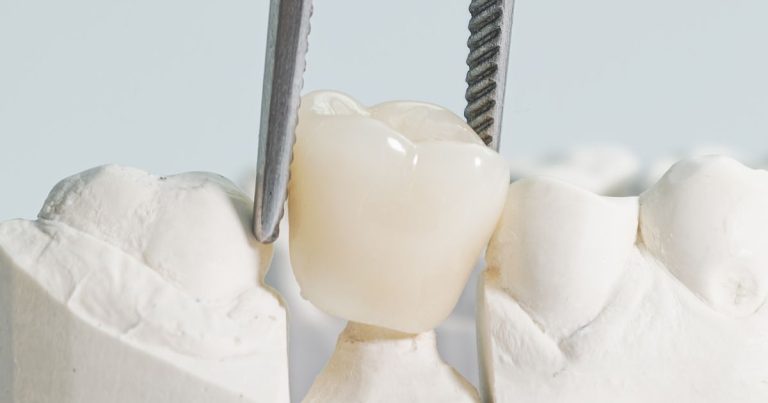
Introduction A porcelain crown is one of the most common options patients ask about when they need a tooth restored and still want it to look natural. Maybe a tooth broke. Maybe an old filling is too large to repair again. Maybe a root-canal-treated tooth needs more protection. Or maybe a front tooth is dark, worn, misshapen, or covered by an old crown that no longer blends in. “Porcelain crown” sounds simple, but it can mean several different things in modern dentistry. Some crowns are porcelain fused to metal. Some are all-ceramic. Some are zirconia. Some are lithium disilicate.

Read More »
Nightguards
Nightguards

Nightguards

Introduction Many people first hear about nightguards after a dentist points out worn teeth, cracked fillings, chipped enamel, sore jaw muscles, or damage to expensive dental work. Others search for nightguards because they wake up with jaw pain, headaches, tooth sensitivity, or because a partner hears them grinding their teeth at night. A nightguard can be a helpful protective appliance, but it is often misunderstood. It does not necessarily “cure” grinding. It does not automatically fix every jaw problem. It is not the same as a sports mouthguard. It is not the same as a sleep apnea oral appliance.

Read More »
snap-on smile
Snap-On Smile

Snap-On Smile

Introduction Snap-On Smile is one of those dental topics that can sound almost too good to be true. Patients often find it while searching for a fast way to improve their smile without drilling, shots, braces, veneers, crowns, implants, or a long treatment plan. That interest is understandable. Many people feel embarrassed about stained teeth, gaps, chips, missing teeth, worn teeth, old dental work, or a smile that no longer looks the way they want. Others are anxious about dental treatment, worried about cost, or not ready to commit to permanent cosmetic dentistry. Snap-On Smile may be a helpful

Read More »

Related Post

Porcelain Crown
Porcelain Crowns
cem

Porcelain Crowns

Introduction A porcelain crown is one of the most common options patients ask about when they need a tooth restored and still want it to look natural. Maybe a tooth broke. Maybe an old filling is too large to repair again. Maybe a root-canal-treated tooth needs more protection. Or maybe a front tooth is dark, worn, misshapen, or covered by an old crown that no longer blends in. “Porcelain crown” sounds simple, but it can mean several different things in modern dentistry. Some crowns are porcelain fused to metal. Some are all-ceramic. Some are zirconia. Some are lithium disilicate.

Read More »
Nightguards
Nightguards
cem

Nightguards

Introduction Many people first hear about nightguards after a dentist points out worn teeth, cracked fillings, chipped enamel, sore jaw muscles, or damage to expensive dental work. Others search for nightguards because they wake up with jaw pain, headaches, tooth sensitivity, or because a partner hears them grinding their teeth at night. A nightguard can be a helpful protective appliance, but it is often misunderstood. It does not necessarily “cure” grinding. It does not automatically fix every jaw problem. It is not the same as a sports mouthguard. It is not the same as a sleep apnea oral appliance.

Read More »
snap-on smile
Snap-On Smile
cem

Snap-On Smile

Introduction Snap-On Smile is one of those dental topics that can sound almost too good to be true. Patients often find it while searching for a fast way to improve their smile without drilling, shots, braces, veneers, crowns, implants, or a long treatment plan. That interest is understandable. Many people feel embarrassed about stained teeth, gaps, chips, missing teeth, worn teeth, old dental work, or a smile that no longer looks the way they want. Others are anxious about dental treatment, worried about cost, or not ready to commit to permanent cosmetic dentistry. Snap-On Smile may be a helpful

Read More »
Skip to content