Tooth Abscess

An abscess happens when a bacterial infection causes a pocket of pus to form around a tooth. Abscesses have a number of causes and can affect not just the tooth, but the surrounding tissue and bone as well. Abscesses may even affect adjacent teeth. The types of abscesses are determined by where they are located. The three most common are:

Periapical Abscess
An abscess located at the tip of the root of the tooth. These are often the result of bacteria entering the pulp of the tooth through a cavity or fracture.

Periodontal Abscess
An abscess in the gum tissue that supports the tooth. These often result from gum disease and can spread to the surrounding area.

Gingival Abscess
An abscess in the gum tissue. These usually do not affect the tooth directly.

It is very important that tooth infections are treated, as they can otherwise spread to the jawbone, tissues of the face and neck, and even to the heart and brain in rare cases.

Symptoms of Abscessed Teeth

Some symptoms of an abscess include:

  • Throbbing pain near tooth or gums
  • Pain that increases when you lie down
  • Pain when eating
  • Red, swollen gums
  • Tooth sensitivity
  • Discolored teeth
  • Loose teeth
  • Bad breath
  • Bad taste in the mouth
  • Swelling in the face
  • Swollen lymph nodes in neck or jaw
  • Fever
  • Difficulty in swallowing or breathing

Treatment

Treatment is vital in order to eliminate the infection and prevent further health complications. Treatment methods include:

Draining the abscess
A small incision will be made to allow for the pus to be drained. Once completed, the area will be cleaned with a saline solution.

Root canal therapy
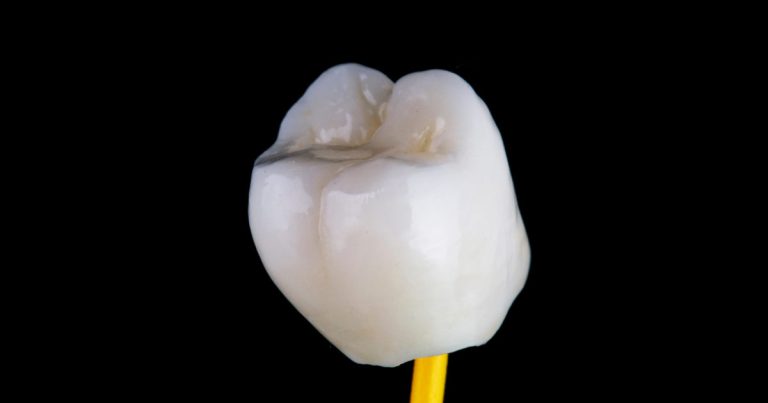
If the pulp of the tooth is infected, root canal therapy can be used to remove the infection. A crown will typically be used to protect the tooth after the procedure.

Tooth extraction
If the damage to the tooth is too significant, making saving it with root canal therapy impossible, an extraction may be performed, instead. The extraction will also allow the abscess to be drained.

Antibiotics
Depending on the extent of the infection, you may be prescribed antibiotics to help eliminate the remaining bacteria.

Related Post

Zirconia Crown
Zirconia Crowns

Zirconia Crowns

Introduction Zirconia crowns are one of the most common tooth-colored crown options patients hear about today. A dentist may recommend one for a cracked molar, a tooth with a large old filling, a tooth that has had root canal treatment, a worn-down tooth, or a back tooth that needs a strong restoration but still needs to look natural. Patients often ask simple-sounding questions: Is zirconia better than porcelain? Is it stronger than ceramic? Will it look fake? Is it safe? Will it wear down the tooth that bites against it? Is it worth the extra cost? The honest answer

Read More »
Flipper
Flipper

Flippers

A flipper is a type of removable dental prosthetic that is commonly used to replace one or more missing teeth. It is a lightweight, inexpensive, and relatively simple alternative to other types of dentures, such as traditional full or partial dentures.   What is a flipper? A flipper is a removable dental prosthetic that is designed to replace one or more missing teeth. It is typically made of a flexible plastic material and is shaped to fit over the remaining teeth. Flippers are held in place by the natural suction of the mouth, or by a small wire or

Read More »
Porcelain Crown
Porcelain Crowns

Porcelain Crowns

Introduction A porcelain crown is one of the most common options patients ask about when they need a tooth restored and still want it to look natural. Maybe a tooth broke. Maybe an old filling is too large to repair again. Maybe a root-canal-treated tooth needs more protection. Or maybe a front tooth is dark, worn, misshapen, or covered by an old crown that no longer blends in. “Porcelain crown” sounds simple, but it can mean several different things in modern dentistry. Some crowns are porcelain fused to metal. Some are all-ceramic. Some are zirconia. Some are lithium disilicate.

Read More »

Related Post

Zirconia Crown
Zirconia Crowns
cem

Zirconia Crowns

Introduction Zirconia crowns are one of the most common tooth-colored crown options patients hear about today. A dentist may recommend one for a cracked molar, a tooth with a large old filling, a tooth that has had root canal treatment, a worn-down tooth, or a back tooth that needs a strong restoration but still needs to look natural. Patients often ask simple-sounding questions: Is zirconia better than porcelain? Is it stronger than ceramic? Will it look fake? Is it safe? Will it wear down the tooth that bites against it? Is it worth the extra cost? The honest answer

Read More »
Flipper
Flipper
cem

Flippers

A flipper is a type of removable dental prosthetic that is commonly used to replace one or more missing teeth. It is a lightweight, inexpensive, and relatively simple alternative to other types of dentures, such as traditional full or partial dentures.   What is a flipper? A flipper is a removable dental prosthetic that is designed to replace one or more missing teeth. It is typically made of a flexible plastic material and is shaped to fit over the remaining teeth. Flippers are held in place by the natural suction of the mouth, or by a small wire or

Read More »
Porcelain Crown
Porcelain Crowns
cem

Porcelain Crowns

Introduction A porcelain crown is one of the most common options patients ask about when they need a tooth restored and still want it to look natural. Maybe a tooth broke. Maybe an old filling is too large to repair again. Maybe a root-canal-treated tooth needs more protection. Or maybe a front tooth is dark, worn, misshapen, or covered by an old crown that no longer blends in. “Porcelain crown” sounds simple, but it can mean several different things in modern dentistry. Some crowns are porcelain fused to metal. Some are all-ceramic. Some are zirconia. Some are lithium disilicate.

Read More »
Skip to content