Wisdom Teeth: When They Need Monitoring, When They Need Removal, and What to Expect
Wisdom teeth are the last permanent teeth to develop, and they often get a lot of attention because they can cause problems that other teeth do not. For some people, wisdom teeth come in normally and stay healthy. For many others, they become impacted, partially erupt, crowd nearby teeth, trap food and bacteria, or lead to pain, infection, and damage to surrounding structures. The good news is that wisdom teeth can be monitored carefully, and when removal is needed, modern oral surgery is a routine and well-understood procedure.
What Are Wisdom Teeth?
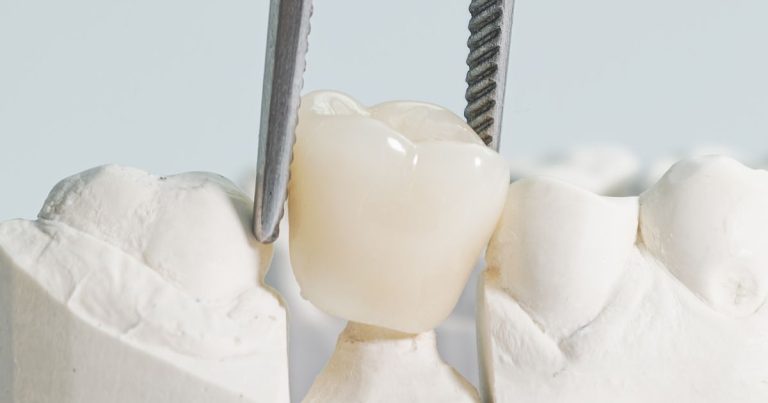
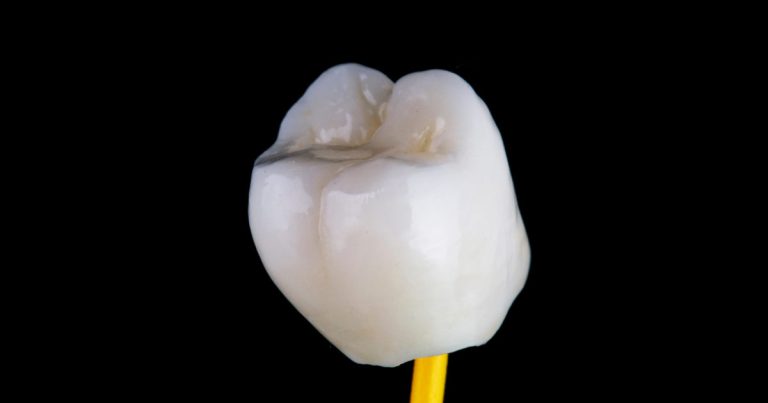
Wisdom teeth are your third molars — the large back teeth at the far ends of the upper and lower jaws. Most people have four wisdom teeth, though some people have fewer and some never develop them at all. They usually begin to erupt in the late teen years or early twenties, often between about 17 and 25 years old.
Because they erupt later than the rest of the adult teeth, wisdom teeth often run into a basic problem: there may not be enough room for them to come in properly. When a wisdom tooth is trapped under the gums, stuck in the jawbone, or grows at the wrong angle, it is called an impacted wisdom tooth. Impacted wisdom teeth may grow sideways, tilt toward the neighboring molar, stay partly buried, or remain fully trapped in the bone.
Do All Wisdom Teeth Need To Be Removed?
No. Not all wisdom teeth need to be removed. That’s one of the most important things for patients to understand. If wisdom teeth are healthy, fully erupted, functional, easy to clean, and not causing disease or damage, they may simply be monitored over time. The American Association of Oral and Maxillofacial Surgeons says that third molars associated with disease, or at high risk of developing disease, should be surgically managed, while disease-free teeth may be followed with active clinical and radiographic surveillance.
At the same time, dentists and oral surgeons often recommend removal when wisdom teeth are likely to cause trouble later, even if they are not painful right now. That is because wisdom teeth can be difficult to clean, can develop decay or gum problems without obvious early symptoms, and may become harder to remove as people get older. The decision is individualized and should be based on an exam, imaging, symptoms, oral health status, and the likelihood of future problems.
Common Signs Wisdom Teeth May Be Causing Problems
Some wisdom tooth problems are obvious, while others are only found during a dental exam and X-rays. Common warning signs include:
- pain in the back of the mouth
- swollen, tender, or bleeding gums around the back molars
- jaw soreness or stiffness
- difficulty opening the mouth fully
- bad taste or bad breath from trapped bacteria
- food getting stuck behind the last visible molar
- repeated gum infection around a partially erupted wisdom tooth
- cavities in the wisdom tooth or the neighboring second molar
- pressure or discomfort near the back teeth
Partially erupted wisdom teeth are especially prone to trouble because bacteria can collect under the gum flap around the tooth, increasing the risk of pain, swelling, infection, and gum disease. Impacted teeth may also contribute to cyst formation or damage to nearby teeth and bone.
Why Wisdom Teeth Are Often Removed
Wisdom teeth are commonly removed when there is evidence of:
- pain
- infection
- gum disease around the tooth
- tooth decay that cannot be restored predictably
- food and debris trapping
- damage to neighboring teeth
- cysts or tumors
- orthodontic concerns in selected cases
- a high likelihood of future non-function or disease
The ADA notes that wisdom teeth may need removal when there are changes such as pain, infection, cysts, tumors, damage to neighboring teeth, gum disease, or tooth decay. Mayo Clinic similarly notes that impacted wisdom teeth often need extraction when they cause pain, infection, decay, damage to nearby teeth or bone, cyst formation, or problems with orthodontic treatment.
What Happens During the Consultation?
A wisdom tooth evaluation usually includes a review of your symptoms, your medical history, and a clinical exam of your mouth and gums. Your dentist or oral surgeon will look at whether the teeth have erupted, whether the surrounding gums are inflamed, whether nearby teeth are being affected, and whether the wisdom teeth are functional and cleanable. Imaging — usually panoramic X-rays, and sometimes 3D imaging — helps show the position of the teeth, their roots, and their relationship to nearby structures such as the sinus or the lower jaw nerve.
This appointment is also when your provider will discuss whether the best plan is monitoring or removal. If removal is recommended, you’ll talk about how many teeth should come out, whether they are impacted, what type of anesthesia is appropriate, whether the procedure is expected to be simple or complex, and how recovery will be managed.
What Does Wisdom Tooth Removal Involve?
Wisdom tooth removal is usually an outpatient oral surgery, which means you go home the same day. Depending on the position of the tooth, the surgeon may remove an erupted tooth much like a regular extraction, or they may perform a surgical extraction for an impacted tooth.
A typical procedure may include these steps:
- Anesthesia is given. This may be local anesthesia alone, IV sedation plus local anesthesia, or general anesthesia for more complex cases.
- The surgeon makes a small incision in the gum if the tooth is impacted.
- A little bone may be removed if it blocks access to the tooth.
- The tooth may be divided into sections so it can be removed more safely and gently.
- The area is cleaned of debris.
- Stitches may be placed, though they are not always necessary.
- Gauze is placed over the site to control bleeding and help a blood clot form.
The exact approach depends on whether the tooth is erupted, partially erupted, soft tissue impacted, partially bony impacted, or fully bony impacted. A fully impacted tooth generally requires more surgical access than a tooth that has already erupted through the gums.
Anesthesia and Pain Control
Wisdom teeth can be removed under different levels of anesthesia. Three common options are:
- Local anesthesia: you are awake, the area is numb, and you feel pressure but not pain.
- Sedation anesthesia: medicine through an IV helps you relax deeply and often remember little of the procedure.
- General anesthesia: used in some more complex situations, where you are fully asleep.
Pain after surgery is usually managed with a combination of home care and medication. ADA and NIDCR guidance notes that NSAIDs such as ibuprofen are generally first-line treatment for acute dental pain, and combinations of ibuprofen and acetaminophen can be highly effective for many patients. Opioids are not the first choice for most routine dental pain.
Recovery Timeline: What To Expect
Recovery is different for every patient, but most people can expect:
- first 24 hours: bleeding or oozing, numbness wearing off, mild to moderate soreness, swelling beginning
- days 2 to 3: swelling and stiffness often peak
- days 3 to 5: many patients start feeling noticeably better and can return to school or work, depending on the difficulty of surgery
- about 1 to 2 weeks: soft tissue healing continues and most people feel close to normal again
Many people return to normal activities within a few days, while full recovery often takes around two weeks. Recovery may take longer for difficult impactions.
Normal Side Effects After Removal
It is normal to have:
- mild bleeding the first day
- swelling
- jaw soreness
- bruising
- tenderness when opening wide
- some trouble chewing normally for a few days
A small amount of bleeding and swelling is expected. The extraction site heals partly by forming a blood clot, which protects the area and supports early healing. That blood clot is important, so patients are told not to spit forcefully, smoke, or use a straw right after surgery.
Aftercare Instructions
Good aftercare makes recovery easier and lowers the risk of complications. Standard advice includes:
- rest the day of surgery
- use ice packs on the outside of the face during the first 24 hours
- take pain medication exactly as directed
- keep the gauze in place as instructed
- eat soft foods such as yogurt, applesauce, mashed potatoes, eggs, soup, or smoothies eaten with a spoon
- drink plenty of water
- avoid alcohol, smoking, and vigorous rinsing
- do not use a straw for at least the first day, and often longer if your surgeon advises it
- begin gentle warm saltwater rinses after the first 24 hours if instructed
- brush the rest of your teeth normally, but avoid the surgical site at first and clean near it gently as healing progresses
- avoid strenuous exercise for a couple of days or as directed by your surgeon
Dry Socket: The Complication Many Patients Worry About
One of the best-known complications after wisdom tooth removal is dry socket. This happens when the protective blood clot in the extraction site either does not form properly, dissolves too soon, or gets dislodged before healing is underway. When that happens, bone and nerves in the socket are exposed, causing significant pain. Dry socket pain often begins 1 to 3 days after extraction and may radiate toward the ear, eye, temple, or neck on the same side.
Smoking, tobacco use, poor home care, difficult extractions, and certain other factors can increase dry socket risk. This is one reason dentists emphasize avoiding straws, smoking, and vigorous rinsing after surgery.
When To Call the Dentist or Oral Surgeon
Call your dentist or surgeon right away if you have:
- worsening pain instead of gradual improvement
- severe pain starting a day or two after extraction
- heavy bleeding that does not slow down
- fever
- worsening swelling after the first few days
- pus, foul drainage, or a bad smell from the site
- trouble swallowing or breathing
- nausea or vomiting that prevents you from drinking fluids
- persistent numbness or tingling of the lip, chin, or tongue after the anesthesia should be gone
- a bad taste or visible empty-looking socket with severe pain, which may suggest dry socket
Benefits of Timely Removal
When removal is appropriate, taking wisdom teeth out at the right time can help:
- relieve pain and repeated infections
- prevent damage to neighboring molars
- reduce decay and gum disease risk in hard-to-clean back areas
- prevent or reduce the risk of cyst formation around impacted teeth
- make orthodontic or restorative treatment easier in selected cases
- address the problem before surgery becomes more difficult with age
Surgery tends to become more difficult as patients get older, and younger adults generally have a lower rate of complications and often recover more easily. That doesn’t mean all wisdom teeth should come out automatically, but it does mean timing matters when removal is clearly indicated.
Risks and Limitations of Wisdom Tooth Removal
Even though wisdom tooth removal is common, it is still surgery. Potential risks include:
- swelling, pain, and bruising
- infection
- dry socket
- delayed healing
- damage to nearby teeth or restorations
- sinus involvement for upper wisdom teeth
- temporary or, rarely, lasting numbness related to nearby nerves in the lower jaw
- jaw stiffness or limited opening for a short time
Most complications are uncommon, and many can be reduced with careful planning, skilled surgery, and good aftercare. Your provider should explain the risks relevant to your specific anatomy, especially if your roots are close to a major nerve or sinus.
Cost and Insurance Considerations
Wisdom tooth removal cost depends on several factors, including:
- how many teeth are being removed
- whether the teeth are erupted or impacted
- whether the extraction is simple or surgical
- the location of the teeth in the jaw
- whether IV sedation or general anesthesia is used
- imaging needs and specialist fees
Dental plans often cover at least part of wisdom tooth removal, especially when it is medically necessary, but coverage varies. Delta Dental notes that costs depend on whether the teeth are impacted, how many are removed, and the type of anesthesia used, and some plans may cover a significant percentage of the procedure depending on plan details. It is smart to request a pre-treatment estimate and ask whether the procedure will be billed through dental insurance, medical insurance, or both in complex oral surgery cases.
Common Wisdom Teeth Myths
“Everyone has to get their wisdom teeth out.”
Not true. Some wisdom teeth erupt normally, stay healthy, and can be monitored instead of removed. Active surveillance is an accepted option when the teeth are disease-free and low risk.
“If they don’t hurt, they’re fine.”
Also not true. Wisdom teeth can develop decay, gum disease, food trapping, cysts, and damage to nearby teeth without obvious symptoms early on. That’s why X-rays and regular dental exams matter.
“Recovery is always terrible.”
Recovery can be uncomfortable, but most patients recover smoothly with proper instructions, medication, and a few days of rest. Many are back to school or work in a matter of days, with fuller recovery over one to two weeks.
“You can go back to normal eating right away.”
Not usually. Soft foods, hydration, and careful aftercare are important during the first phase of healing. Returning to crunchy, spicy, or sticky foods too early can make recovery harder.
“Pain means something is wrong; no pain means everything is fine.”
Mild pain, swelling, and soreness are expected after surgery. But new or worsening pain after a couple of days can be a warning sign for dry socket or another complication and should be evaluated.
Final Thoughts
Wisdom teeth are not automatically a problem, but they do deserve careful attention. Some people can keep them for life with regular monitoring and excellent hygiene. Others benefit from removal because the teeth are impacted, hard to clean, infected, decayed, damaging nearby teeth, or likely to cause future problems. The best approach is a personalized one based on symptoms, imaging, age, oral health, and the wisdom tooth’s position and function.
A strong wisdom teeth article should help patients understand both sides of the issue: not every wisdom tooth needs removal, but not every symptom-free wisdom tooth is harmless either. If you have pain, swelling, or simply haven’t had your wisdom teeth evaluated, a dental exam and X-ray are the right next step.