Dental Emergencies

In the event of a dental emergency, call your dentist as soon as possible and let them know.

Possible dental emergencies include:

Severe cavity – Cavities won’t cause pain until they have gotten to the point where you may be in danger of losing a tooth. For this reason, a cavity that causes a toothache should be treated immediately. Contact your dentist if you find yourself in this situation. Avoid doing anything that may aggravate the tooth (such as exposing it to extreme temperatures). An over-the-counter pain reliever such as Tylenol or ibuprofen may help with the pain in the meantime. Getting fast treatment can help save the tooth and prevent damage to other areas of the mouth.

Cracked Tooth – Teeth can crack due to biting on hard foods, as a result of teeth-grinding, and may even happen over time as a result of aging. While some cracks can be small and harmless, others can damage the root of the tooth or even split the tooth into two or more parts. Cracks should be examined by your dentist as soon as possible in order to determine what form of treatment is required.

Avulsed tooth – If a tooth has been knocked out, you should make sure you handle it by the crown, not the root, in order to avoid damaging it. It’s best to reinsert it into the socket if possible, otherwise, place it in a glass of your own saliva, milk, saline, or a moistened paper towel and bring it with you. Time is crucial when it comes to saving the tooth, so be sure to see the dentist within 30 minutes to an hour if at all possible.

Lost filling – A filling that has fallen out should be replaced as soon as possible to prevent infection of the interior of the tooth.

Abscess – A bacterial infection can cause an abscess at the base or side of the tooth. These can happen because of untreated cavities or injury to the tooth, and they will not go away without treatment. Tylenol or ibuprofen can be taken for the pain, but do not place it directly on the tooth or gums as this may cause damage to the tissue.

Broken jaw – A broken or fractured jaw is a serious injury and should be treated immediately. If you are not able to reach someone at your dentist’s office, go to the ER immediately.

Related Post

CEREC Same-Day Crown

CEREC Same-Day Crown

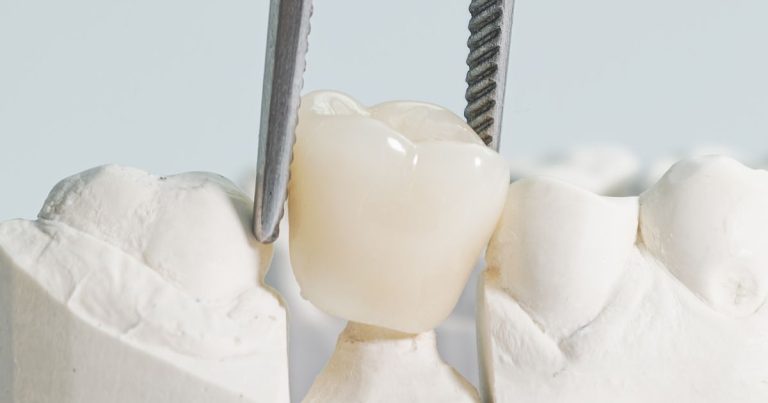
Modern dental technology has introduced convenient options like CEREC same-day crowns for restoring damaged teeth. Unlike traditional crowns that require multiple visits and temporary crowns, a CEREC crown is designed, milled, and placed in a single appointment. In this comprehensive guide, we’ll explain what CEREC crowns are, who might need one, how the procedure works, and what to expect before, during, and after treatment. We’ll also cover the benefits, potential drawbacks, alternatives, costs, and address common misconceptions about same-day crowns.   What Are CEREC Same-Day Crowns? A dental crown is a custom-made “cap” that covers a damaged or weakened

Read More »
Oral Cancer Screening

Oral Cancer Screening

Regular dental check-ups aren’t just about checking for cavities – they also include important preventive measures like oral cancer screenings. Dentists are often the first healthcare professionals to spot early signs of oral cancer during a routine in-office exam. In this article, we’ll explain what an oral cancer screening is, who should get them, what to expect during the exam, and why these quick, painless checks are such an essential part of preventive dental care. We’ll also address common myths, discuss HPV-related oral cancers and the HPV vaccine, and cover how often screenings are recommended and how insurance handles

Read More »
Amalgam Filling
Amalgam Fillings

Amalgam Fillings

What Are Amalgam Fillings? Amalgam fillings – often called “silver fillings” – are a common type of dental filling used to repair cavities caused by tooth decay. They are made from a mixture of metals, including liquid mercury and a powdered alloy of silver, tin, copper, and sometimes zinc. In fact, about 50% of an amalgam filling is elemental mercury by weight, which binds the other metals into a durable, solid filling. Amalgam has been used in dentistry for over 150 years as a safe, strong, and affordable restorative material. These silver-colored fillings are most often placed in back

Read More »

Related Post

CEREC Same-Day Crown
cem

CEREC Same-Day Crown

Modern dental technology has introduced convenient options like CEREC same-day crowns for restoring damaged teeth. Unlike traditional crowns that require multiple visits and temporary crowns, a CEREC crown is designed, milled, and placed in a single appointment. In this comprehensive guide, we’ll explain what CEREC crowns are, who might need one, how the procedure works, and what to expect before, during, and after treatment. We’ll also cover the benefits, potential drawbacks, alternatives, costs, and address common misconceptions about same-day crowns.   What Are CEREC Same-Day Crowns? A dental crown is a custom-made “cap” that covers a damaged or weakened

Read More »
Oral Cancer Screening
cem

Oral Cancer Screening

Regular dental check-ups aren’t just about checking for cavities – they also include important preventive measures like oral cancer screenings. Dentists are often the first healthcare professionals to spot early signs of oral cancer during a routine in-office exam. In this article, we’ll explain what an oral cancer screening is, who should get them, what to expect during the exam, and why these quick, painless checks are such an essential part of preventive dental care. We’ll also address common myths, discuss HPV-related oral cancers and the HPV vaccine, and cover how often screenings are recommended and how insurance handles

Read More »
Amalgam Filling
Amalgam Fillings
cem

Amalgam Fillings

What Are Amalgam Fillings? Amalgam fillings – often called “silver fillings” – are a common type of dental filling used to repair cavities caused by tooth decay. They are made from a mixture of metals, including liquid mercury and a powdered alloy of silver, tin, copper, and sometimes zinc. In fact, about 50% of an amalgam filling is elemental mercury by weight, which binds the other metals into a durable, solid filling. Amalgam has been used in dentistry for over 150 years as a safe, strong, and affordable restorative material. These silver-colored fillings are most often placed in back

Read More »
Skip to content