What Is Pulp Therapy?
Pulp therapy is a pediatric dental procedure – often called a “baby root canal” – used to treat and save a tooth with infected or damaged pulp tissue. The pulp is the innermost layer of the tooth containing nerves and blood vessels, which can become inflamed or exposed due to deep cavities or trauma. In pulp therapy, the dentist removes the diseased pulp from the tooth to eliminate infection and pain, then seals and restores the tooth. This procedure is also known by names like pulpotomy or pulpectomy, depending on how much of the pulp is removed. The primary goal is to restore and save the affected tooth, rather than extracting it, so that the child can continue to use it for normal chewing and speaking. Even though baby teeth will eventually fall out, they play a crucial role in a child’s development – aiding in speech, proper chewing, and maintaining space for the permanent teeth to come in correctlykidzdentalcare.com. By preserving a decayed or injured baby tooth until it’s ready to naturally shed, pulp therapy helps protect the child’s oral health and development.
Who Might Need Pulp Therapy?
Children may need pulp therapy if a tooth’s nerve has been affected by extensive tooth decay or a serious injury. Dental caries (cavities) that reach the inner pulp can cause infection or irreversible inflammation, and a hard knock or fracture to a tooth can expose the pulp as well. In these cases, a pediatric dentist will evaluate whether the tooth can be saved with pulp therapy or if extraction is necessary. Generally, pulp therapy is recommended for primary (baby) teeth when removing the tooth could negatively impact the child’s oral development. Although baby teeth do fall out eventually, premature loss of a baby tooth can lead to problems – the remaining teeth might shift into the gap, causing crowding or misalignment of the incoming adult tooth, and the child could have difficulty chewing or speaking properly. By performing pulp therapy, the dentist preserves the tooth, which maintains the proper spacing and alignment for permanent teeth and prevents complications like crooked or impacted adult teeth.
Even some young permanent teeth might require pulp therapy (also called apex therapy or partial root canal in adult terms) if they are not fully developed and sustain pulp damage – treating the pulp can allow the tooth to continue growing correctly. In all cases, the dentist will consider the child’s age, the tooth’s position, and overall health before deciding to perform pulp therapy or opt for extraction. Pulp therapy is especially common in molars of young children, since these teeth often get large cavities and are critical for chewing. Pediatric dentists aim to save the tooth whenever it’s feasible and beneficial for the child’s long-term oral health.
Common Signs You May Need Pulp Therapy
When a child has a tooth with an infected or irritated pulp, they will often exhibit certain symptoms. Here are some common signs that might indicate a tooth needs pulp therapykidzdentalcare.com:
-
Toothache or spontaneous pain: Ongoing, unexplained tooth pain or your child complaining of a tooth hurting for no clear reason. Pain that occurs spontaneously (not just when eating) or frequent night-time pain that wakes the child up is a red flagkidzdentalcare.com.
-
Sensitivity to temperature: Unusual sensitivity or pain when your child eats something hot or cold. For example, if a tooth consistently hurts with warm or cool drinks/foods, the pulp may be inflamedkidzdentalcare.com.
-
Swelling or redness in the gums: Swelling, puffiness, or redness in the gum tissue around a particular tooth can indicate an abscess or pulp infection inside that toothkidzdentalcare.com. You might notice a pimple-like bump on the gum near the tooth as well, which can be a sign of infection.
-
Looseness of the tooth: A tooth that has become loose at an unexpected time (not just a baby tooth at normal shedding age) could mean the root is damaged or being eaten away by infectionkidzdentalcare.com. An abscess can sometimes cause a tooth to loosen prematurely.
-
Broken or badly decayed tooth: If your child has a large cavity that reaches near the nerve, or if a tooth cracked/chipped and exposed the inner layer, the pulp may be compromised. A broken tooth that is causing pain or has an obvious exposure of the inner tissue likely needs pulp treatment to prevent infection.
It’s important to note that not all children will show obvious symptoms when a pulp infection is present. Sometimes a deep cavity is only found on an X-ray or a child might not report pain. This is why regular dental checkups (every six months) are crucial – the dentist can catch silent problems early. If you notice any of the above signs, schedule an appointment with a pediatric dentist promptly. Left untreated, pulp infections can worsen and lead to tooth loss or spread of infection to other areas. (If you need help finding a qualified dentist for your child, you can refer to our DentistNearMeReviews directory of dental professionals to locate a well-rated pediatric dentist in your area.)
What Happens During a Consultation for Pulp Therapy?
When you bring your child in for a pulp therapy consultation, the dentist will first perform a thorough evaluation of the problem tooth. This typically involves asking about your child’s symptoms (e.g. when the pain occurs, sensitivity, any history of trauma) and reviewing their dental history. The dentist will visually examine the tooth and surrounding gums, looking for deep cavities, cracks, swelling, or other clues. They will almost always take an X-ray (radiograph) of the tooth. The X-ray helps the dentist see how far the decay has reached, whether the pulp is affected or an abscess is present, and the condition of the roots. It’s also important for the dentist to check if the tooth’s root is almost done resorbing (for a baby tooth) or if a permanent tooth is close to erupting, which factors into treatment decisions.
During the consultation, the dentist will diagnose the issue – for example, confirming if the pulp is inflamed (which might be reversible or not) or infected/necrotic. They may perform some gentle tests, like tapping on the tooth or applying a cold stimulus, to gauge the tooth’s vitality (depending on the child’s age and cooperation). Once the evaluation is complete, the dentist will discuss the findings and treatment options with you. If pulp therapy is recommended, the dentist will explain whether it will be a pulpotomy (partial nerve treatment) or a pulpectomy (full nerve removal) in your child’s case, and why that is the best option. They’ll also talk about what the procedure entails, how to prepare, and answer any questions you have. In some instances, if the infection is severe or the child has significant swelling, the dentist might prescribe antibiotics for a few days prior to the treatment to calm the infection.
If extraction is an option instead (for example, if the tooth is too damaged to save), the dentist will explain the implications of removing the tooth and likely recommend a space maintainer device to keep the gap open for the future adult tooth. The pros and cons of extraction vs. pulp therapy will be discussed, so you can make an informed decision. This consultation is also the time when the dentist will talk about behavior management and anesthesia options for the procedure – for instance, whether your child might benefit from nitrous oxide (laughing gas) or other sedation during the appointment, based on their anxiety level and age. By the end of the consultation, you should have a clear understanding of what pulp therapy involves for your child, why it’s needed, and how to prepare for the actual procedure day.
What Does the Process for Getting Pulp Therapy Involve?
Pulp therapy is typically done in a single visit for a pulpotomy, though a more involved pulpectomy might be split into two appointments. The procedure is somewhat similar to an adult root canal, but generally quicker and performed with child-friendly techniques. Here is a step-by-step overview of what happens during pulp therapy on a baby tooth:
-
Anesthesia: The dentist will start by numbing the area around the affected tooth with a local anesthetic. This involves a small injection to freeze the tooth and surrounding gum, preventing pain. The injection is usually quick and may feel like a tiny pinch for a second. For most kids, local anesthesia alone is enough to keep the procedure pain-free. If your child is very anxious or unable to sit still, the dentist might also use a form of sedation. For mild relaxation, nitrous oxide gas (laughing gas) delivered through a nose mask can help calm the child. In rare cases of extreme anxiety or very young patients, deeper sedation or general anesthesia may be recommended, which would be administered by a specialist with proper precautions. (Your dentist will discuss and plan this in advance if needed.)
-
Isolation and Access: To keep the area dry and clean, the dentist will isolate the tooth – often using a rubber dam (a small protective sheet) around it. This keeps saliva away and prevents the child from swallowing any debris. Next, the dentist uses a dental handpiece (drill) to remove all decayed portions of the tooth and to open a window into the pulp chamber. Essentially, they drill through the enamel and dentin (the hard outer layers) until the cavity reaches the pulp chamber where the nerve is located. Any infected or soft decayed tooth material is cleared out during this process.
-
Pulp Removal (Pulpotomy or Pulpectomy): Once the pulp chamber is exposed, the dentist will remove the diseased pulp tissue. The approach here depends on the extent of the infection:
-
In a pulpotomy, the dentist removes only the pulp in the crown portion of the tooth (the part above the gum line), cleaning out the infected tissue from the pulp chamberncpediatricdentistry.com. The healthy pulp tissue in the roots is left intact. This is done when the infection has not spread into the root canals.
-
In a pulpectomy, which is essentially a full root canal on a baby tooth, all of the pulp tissue is removed, including from the root canals down to the tips of the roots. This is necessary when the pulp infection is more extensive or the tooth’s nerve is dead (non-vital) throughout. The dentist will use small instruments to carefully clean out each root canal in the tooth. Pulpectomies are less common on baby teeth unless the infection is severe, and they may be done over two visits so the dentist can ensure all infection is gone.
-
-
Disinfection and Medicaments: After removing the infected pulp, the inside of the tooth is disinfected. The dentist may use an antimicrobial solution to flush out bacteria. In a pulpotomy, they will then place a medicated dressing or base over the remaining pulp tissue in the roots. This could be a substance like mineral trioxide aggregate (MTA) or a similar biocompatible material that soothes the nerve and helps prevent bacterial growth. In a pulpectomy, once the canals are cleaned, the denftist will fill the empty root canals with a biocompatible material. For baby teeth, this filling material is often one that can be resorbed or broken down by the body over time (such as a zinc-oxide eugenol paste or a special resorbable cement), so that when the tooth eventually loosens, the child’s body can absorb the material and allow the tooth to fall out normally.
-
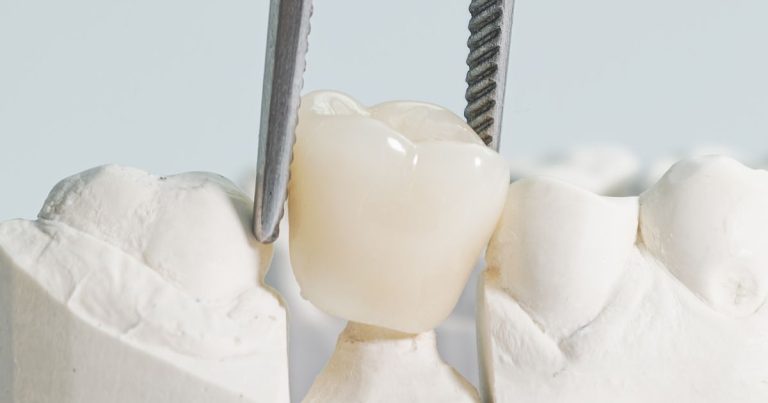
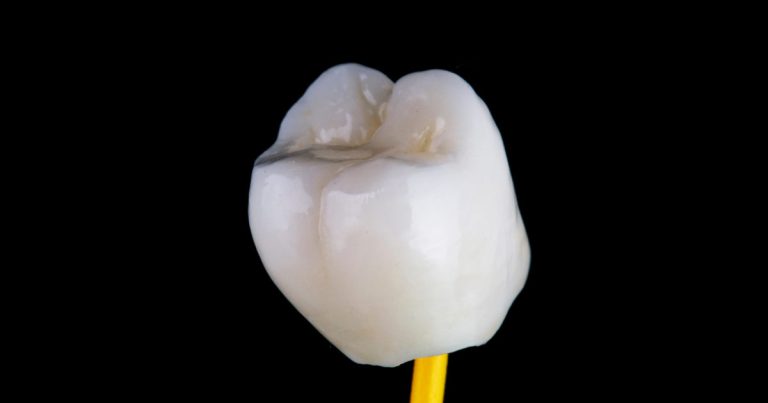
Tooth Restoration (Filling and Crown): After the pulp treatment is complete, the tooth must be sealed and restored to full function. The dentist will fill the pulp chamber with a base or cement to seal it off. Because a tooth that has had pulp therapy can become more brittle and is missing a significant portion of structure from the decay removal, a crown is typically placed. In most pediatric cases, a stainless steel crown is used to cover the entire tooth. Stainless steel crowns are prefabricated metal caps that are very durable and protect the tooth from further decay or fracture. The dentist will trim the crown to fit and cement it over the treated tooth, restoring its shape and allowing your child to chew on it normally. (For front teeth or in cases where aesthetics are a big concern, tooth-colored crowns are available as well, though they may cost more – you can discuss options with your dentist beforehand.)
-
Completion and Check: Once the crown is placed and the bite is checked (to ensure the child can bite down comfortably), the procedure is finished. If the pulp therapy was done in two stages (as sometimes with a pulpectomy), a temporary filling might be placed at the first visit after cleaning the canals, and at the second visit the canals are filled and crown placed. The dentist will take an X-ray at the end or at a follow-up to verify that the canals are properly filled (for pulpectomy cases) and that everything looks good. Finally, the dental team will review post-op instructions with you (see Aftercare below). Most children are able to go home soon after and resume normal activities by the next day.
Throughout the process, the dentist and assistants will be monitoring your child, offering reassurance, and using gentle techniques to keep them comfortable. Pulp therapy is generally a straightforward and routine procedure in pediatric dentistry – it’s designed to remove the source of pain/infection and save the tooth in a single go. Your pediatric dentist is well trained to help children through it in a calm, friendly manner.
How Long Does the Procedure Usually Take?
A pulp therapy appointment for a child is relatively efficient. In most cases, the procedure can be completed in about 30 to 60 minutes for a single tooth. The exact duration can vary depending on the complexity of the case and the child’s cooperation. A simple pulpotomy on a back baby molar might be done in as little as half an hour, especially by an experienced pediatric dentist. This timeframe includes the time to numb the tooth, clean out the pulp, and place the crown. In fact, when preparing children for the procedure, dentists often reassure them that it won’t take too long – roughly “about the length of a cartoon episode” – to help reduce anxiety.
If a pulpectomy (full root canal on a baby tooth) is required or if multiple teeth need treatment, the process could take longer or be split into two visits. For example, cleaning out multiple root canals thoroughly can be time-consuming, so the dentist may do the pulp removal in the first visit and place medicine in the tooth, then at a second visit (a week or so later) complete the filling and crown. Each visit would still be on the order of an hour or less in most cases. Some pediatric dentists will also break up the appointments if the child is young and can’t sit for a long stretch – doing two shorter visits rather than one long one.
Sedation can also affect the total time spent at the dental office. If nitrous oxide is used, it doesn’t add much time – maybe a few extra minutes to start and end the gas flow. If general anesthesia is used (which is less common and typically for special cases), there will be additional time for preparing the child (and recovery time afterward), so the overall appointment could be a couple of hours including anesthesia administration and monitoring. However, under general anesthesia, a dentist might also take the opportunity to fix multiple teeth in one session.
In summary, a single pulp therapy (pulpotomy) visit usually is done in well under an hour once the child is numb. The dentist will give you a more specific estimate based on your child’s needs. Kids tend to tolerate the procedure well, especially since it ends their toothache and is over fairly quickly.
Pain Management and Comfort During Pulp Therapy
It’s natural for parents and kids to worry about pain during a “baby root canal,” but pulp therapy is performed with adequate anesthesia, so your child won’t feel pain during the procedure. Pediatric dentists prioritize your child’s comfort. Here are the key ways pain and anxiety are managed:
-
Local Anesthetic: The primary method is using a local anesthetic (like lidocaine) to thoroughly numb the tooth and surrounding gum. The dentist will gently inject the anesthetic near the tooth, and within minutes the area becomes completely numb. Your child might feel a quick pinch from the needle and a little pressure, but after that they should not feel pain. Numbing ensures that removing decay or pulp does not hurt at all – the tooth nerve is essentially “asleep.” The dentist will test the area before starting (for example, by gently tapping the tooth or asking if the lip feels tingly) to confirm your child is fully numb.
-
Child-Friendly Techniques: Pediatric dentists often use techniques to make the injection and procedure more comfortable for kids. They may apply a topical numbing gel on the gum before the injection (so the pinch is less noticeable), use very small needles, and inject slowly while distracting the child. Many pediatric offices also have fun decorations, show cartoons or let kids listen to music, and use euphemisms (like calling the numbing needle a “sleepy juice squirter”) to reduce fear. These approaches help keep children at ease.
-
Nitrous Oxide (Laughing Gas): If a child is particularly anxious or squirmy, nitrous oxide sedation can be used to help them relax. Nitrous oxide is an inhaled sedative gas mixed with oxygen and delivered through a small mask over the nose. It gives a light, calming effect – children often feel giggly, relaxed, or slightly floaty, and it can make the time seem to pass more quickly for them. The American Academy of Pediatric Dentistry notes that nitrous oxide is very safe for children and wears off quickly with no lasting side effects. Your child remains awake and responsive under laughing gas; it just takes the edge off their nervousness. Once the mask is removed at the end, the gas effect dissipates within minutes and the child returns to normal alertness. Using nitrous oxide in combination with local anesthesia ensures the child feels no pain and is calm throughout the procedure.
-
Deep Sedation or General Anesthesia: In rare cases, for children who cannot tolerate dental treatment while awake (such as very young toddlers, children with special needs, or extreme dental anxiety), the dentist might recommend deeper sedation or general anesthesia. This would mean your child sleeps through the procedure. General anesthesia for dental work on children is typically done by a dental anesthesiologist or in a hospital setting. There are additional risks and costs involved, so it’s reserved for situations where it’s truly needed for the child’s well-being. If this route is chosen, the dental team and anesthesiologist will give you detailed instructions (like fasting guidelines before the appointment) and closely monitor your child’s vital signs during and after the treatment.
-
Tell-Show-Do and Communication: During the procedure, the dentist and assistants often use “tell-show-do” method – explaining in simple, non-frightening terms what they are doing, showing the instruments (or perhaps using fun names for them), and then doing the work once the child is comfortable. Many kids are curious and feel more at ease when they know what’s happening in a friendly way. Your dentist might say things like “we’re going to wash the sugar bugs out of your tooth and put a princess crown on it” to make the process sound fun rather than scary.
Overall, the goal is that your child should feel little to no pain, just perhaps some pressure or vibration from the dental tools. If at any point during the treatment the child does feel pain, they should let the dentist know (often kids will raise their hand if something hurts), and the dentist can give more numbing medicine. Rest assured that by using modern anesthetics and child-focused comfort techniques, pulp therapy can be done with minimal discomfort. Many parents are pleasantly surprised that their child comes out of the appointment smiling because “it didn’t hurt at all and their tooth feels better now.”
What Is the Recovery Process Like After Pulp Therapy?
One big relief after pulp therapy is that the source of tooth pain – the infected pulp – has been removed, so your child should no longer have the constant toothache that brought them inbatteryparkpediatricdentists.com. The overall recovery from a pulpotomy or pulpectomy is usually quick and straightforward, especially compared to something like an extraction. Here’s what to expect in the hours and days after the procedure:
-
Immediate Aftermath: If the procedure was done with only local anesthesia (no heavy sedation), your child will be alert immediately afterward – though their mouth will be numb for a few hoursbatteryparkpediatricdentists.com. It’s normal for their lips, cheek, or tongue on that side to feel “funny” or fat due to the anesthetic; this will wear off gradually. If nitrous oxide was used, its effects will have faded by the time you’re ready to leave the office – children usually are back to normal within minutes after breathing pure oxygen, and they often even forget much of the procedure due to nitrous’ amnesic effectbatteryparkpediatricdentists.com. In cases where deeper sedation or general anesthesia was used, your child will be groggy for a longer period. They might remain drowsy or sleep off the medication for the rest of the day – close monitoring at home will be required until they are fully alertbatteryparkpediatricdentists.com. The dental team will likely keep the child in the office for a short time post-procedure if sedation was involved (typically 30 minutes to an hour of observation for recovery) to ensure they are stable before sending you home.
-
Numbness and Biting Caution: While the area is still numb (which can last 2-4 hours after you leave the dentist), watch that your child doesn’t accidentally bite or chew on their cheek or tongue. Young children sometimes find the numb sensation curious and might chew on their lip without realizing it, which can cause a sore. It’s a good idea to keep them on a liquid or very soft diet until feeling returns (see Aftercare below). Reassure your child that it’s normal for the tooth and lip to feel strange for a little while and that it will “wake up” soon.
-
Pain or Discomfort: Once the local anesthetic wears off, there may be mild discomfort or tenderness in the area, but it is usually very minimal. The gum around the treated tooth could be a little irritated from the dental instruments or from the rubber dam clamp. Your child might also have a sore jaw if they held their mouth open for a long time. Typically, any post-op pain is much less than the pain of the toothache before the procedure – after all, the infection inside the tooth has been addressed. Many children need no pain medication at all afterward, or just one dose when the numbness fades. If your child does feel uncomfortable, an over-the-counter pediatric pain reliever (like acetaminophen or ibuprofen) is usually enough to handle it. Always follow dosing instructions for your child’s age/weight, and consult the dentist if you’re unsure what to give. Pain should not persist; it usually improves within a day.
-
Sensitivity: The tooth may be a bit sensitive to biting or to temperature changes for a short period after pulp therapy. For example, some children report that the tooth feels “weird” or slightly sensitive when chewing the first few days. In some cases, there can be minor sensitivity to hot or cold that can last up to a couple of weeksbatteryparkpediatricdentists.com, but it should be diminishing over time. This happens because the tooth’s nerve (or what remains of it) needs time to settle down after the procedure. Using a toothpaste for sensitive teeth for a week or two might help if your dentist suggests it. If the sensitivity is sharp or getting worse instead of better, let your dentist know, as that’s not typical.
-
Appearance and Feel: The child will now have a crown on the tooth, which usually is a silver-colored stainless steel crown (for back teeth). They might curiously run their tongue over it. Assure them that this “cap” is normal and it will help protect their tooth. If it’s a front tooth and a white crown was used, the look will be different but made to resemble a natural tooth. There could be slight soreness in the gums around the crown where it was placed, but this is minor and goes away within a day or two as the gum tissue heals around the new crown.
-
Eating and Activity: Most children can resume normal activities the same day or by the next day. If your child was only numbed or had nitrous, they can even go back to school later that day once the numbness subsides (if the dentist says it’s okay). If they underwent general anesthesia, they’ll need the rest of the day to fully recover at home – quiet rest is advised and they should be supervised closely. Kids typically bounce back quickly; many will be feeling fine and back to playing or eating dinner that evening. Just keep the immediate dietary restrictions in mind (detailed next in Aftercare). It’s generally best to avoid strenuous physical activity for the remainder of the day if sedation was used, to let the body recover.
In summary, recovery from pulp therapy is usually uneventful. The treated tooth is now pain-free (no more throbbing toothache!), and aside from minor soreness or sensitivity, your child should be comfortable. They might even notice that it feels better to bite down now that the tooth isn’t hurting. The dentist will provide you with specific post-op instructions, but in most cases children handle the recovery well with little need for intervention. Keep an eye on the area and your child’s overall comfort, and don’t hesitate to call the dentist if something seems off.
Aftercare Instructions
Caring for your child’s mouth properly after pulp therapy will help ensure a smooth recovery and the long-term success of the treatment. Here are some aftercare guidelines to follow once you’re home:
-
Protect the Numb Area: Until the local anesthesia completely wears off, your child should not chew or eat anything solid. This is to prevent them from accidentally biting their numb cheek or tongue. Offer only clear liquids or very soft foods during this time. You can let them have water, milk, smoothies, or yogurt, for example. Avoid using straws if the dentist advises (sometimes sucking can affect blood clotting in extractions, though for pulp therapy it’s usually fine). Once the numbness is gone and they can feel their mouth normally, they can start eating more solid foods.
-
Diet for the First Day: Stick to a soft diet for the rest of the day after the procedure. Good options include soups (not too hot), mashed potatoes, scrambled eggs, applesauce, pasta, oatmeal – anything that doesn’t require aggressive chewing. Avoid very hot or very cold foods initially if the tooth is sensitive. Also avoid hard, crunchy, or sticky foods for at least a day or two. Hard foods (like nuts, hard candies) or crunchy items (chips, raw carrots) could be uncomfortable to chew right after treatment and might even dislodge the new crown if it hasn’t fully set. Sticky foods (like chewing gum, caramels, gummy candies) can potentially pull at the crown or the filling. As a general rule, a freshly treated tooth with a crown should not be challenged with chewy sticky candy – even long-term, it’s wise to be cautious with very sticky treats as they could grab the crown. After a couple of days, your child can return to a normal diet, but continue to be mindful of super-sticky foods on that tooth.
-
Oral Hygiene: It is important to maintain good oral hygiene after pulp therapy to keep the treated tooth and surrounding gums healthybatteryparkpediatricdentists.com. Starting the evening of the procedure (or the next day if your child is still a bit numb or sensitive at night), have your child brush their teeth gently but thoroughly. Use a soft-bristled toothbrush and focus on cleaning all areas. The gums around the crowned tooth might be a little tender, so gentle brushing there is sufficient for the first day. Resume flossing between your child’s teeth as well (especially around the crown margins) by the next day. Keeping the area clean will promote healing and prevent new decay from forming around the crown. Good oral hygiene is also key to avoiding the need for any future pulp treatments on other teethbatteryparkpediatricdentists.com. Encourage your child to continue brushing twice a day and flossing daily as part of their routine.
-
Pain Management: If your child experiences any soreness once the numbness fades, you can give them an age-appropriate dose of pain reliever. Often children’s acetaminophen (Tylenol) or ibuprofen (Advil/Motrin) is recommended for a day or two, although many kids don’t need it beyond the first dose. Check with your dentist if you’re unsure which medication is preferred (for example, ibuprofen also helps with inflammation). Follow the dosing instructions on the bottle or any special instructions the dentist gave you. Usually one dose after the procedure (when feeling returns) and maybe one at bedtime is plenty, if at all needed. If your child isn’t complaining of pain, you don’t need to medicate them “just in case.”
-
Monitoring and Rest: Keep an eye on your child for the remainder of the day. If they had only local anesthetic, they should be fine and can play or rest as normal – just avoid rough play that might accidentally knock their mouth while it’s still a bit numb or healing. If they had any sedation, make sure to follow the dentist’s instructions. Typically with nitrous oxide, no special monitoring is needed once fully alert (just avoid big meals right away if they had mild nausea). If they had a stronger sedation or general anesthesia, your dentist will likely advise keeping the child at home, well-hydrated, and resting for the day. They might be unsteady or groggy for a few hours, so supervise any walking or stair climbing, and plan quiet activities. It’s normal if they take a long nap after general anesthesia. Also watch for any signs of an adverse reaction if general anesthesia was used (the office will explain what to look for, such as excessive vomiting or fever, which are uncommon).
-
Preventing Future Issues: After a successful pulp therapy, you want to prevent further decay either in that tooth or others. Beyond daily brushing and flossing, pay attention to your child’s diet. Try to limit sugary snacks and drinks, since sugar can fuel the bacteria that cause cavities. Especially avoid letting your child frequently sip sweet juices or sodas, and never put a baby to bed with a bottle of milk or sugary liquid (to prevent “baby bottle tooth decay”). Encourage water between meals and a balanced diet with plenty of tooth-friendly foods. By keeping the remaining teeth healthy, you can hopefully avoid needing additional pulp treatments or crowns. The tooth that had pulp therapy should be monitored, but if properly restored and kept clean, it can remain problem-free until it’s time for that baby tooth to fall out naturally.
Before you leave the dental office, the team will usually reiterate these instructions and give you a printed copy or a handout. If there were any special medications (like antibiotics) prescribed, be sure to give those as directed (e.g., if an antibiotic was prescribed to ensure an abscess heals, finish the entire course). In case of any doubts or if your child is having trouble after the procedure, don’t hesitate to call the dentist. They expect some follow-up questions and would prefer you call rather than worry at home. With proper care, your child’s treated tooth should heal up well and remain pain-free.
When Should I Call My Dentist After Having Pulp Therapy?
While most pulp therapy cases heal without complications, it’s important to know the warning signs that warrant a call or visit to the dentist. You should contact your dentist if:
-
Severe or Prolonged Pain: Your child has significant pain that isn’t controlled by over-the-counter pain relievers, or pain that persists beyond a few days. Some tenderness right after the procedure is normal, but if intense pain continues or returns after several days, it could indicate that the tooth is not healing as expected. Persistent pain might mean there’s remaining infection or another issue that needs attention.
-
Swelling or Redness: A little gum irritation immediately after treatment is common, but new or worsening swelling of the gums or face in the days or weeks following the pulp therapy is a red flag. Similarly, if you notice the gum around the tooth becoming red, painful, or if a pimple-like bump (abscess) appears on the gums, call the dentist. These signs could mean an infection is brewing or the original infection wasn’t fully resolved. The dentist may need to re-evaluate the tooth; sometimes an abscess after a pulpotomy means a pulpectomy or extraction is needed.
-
Fever or Malaise: If your child develops a fever, feels ill, or you notice swelling accompanied by fever, these could be signs of an infection spreading. This scenario is uncommon, but if it happens, seek dental or medical care promptly. The dentist might prescribe antibiotics or perform further treatment.
-
Crown Problems: Contact the dentist if the crown on the tooth comes off or feels loose. A stainless steel crown is usually crimped tightly and cemented, but occasionally it might pop off (for instance, if the child chews something very sticky too soon). If the crown comes off, try to retrieve it and keep it, and call the dentist. They will likely schedule a short visit to recement or replace the crown. Do not leave the tooth without its crown for long, as it is more vulnerable to breaking. Also call if the crown is intact but your child’s bite feels off or they’re saying it hurts to bite – the crown might need a small adjustment.
-
Continued Numbness or Other Unusual Symptoms: If by the next day your child still feels numb in the lip or tongue (very rare), inform the dentist. Also, if your child had sedation and you have concerns about their recovery (e.g., vomiting more than 2-3 times, extremely lethargic beyond expected, or any breathing concerns), those warrant a call to the dentist or the anesthesiologist per the instructions you were given.
-
Any Other Concerns: Trust your parental instincts. If something just doesn’t seem right – maybe your child refuses to use that tooth weeks later, or you detect a bad odor from the tooth which could indicate lingering infection – it’s better to have the dentist take a look. It’s always okay to reach out with questions. Dental offices would much rather address an issue early than have you wait and worry.
In essence, monitor the treated tooth over the next several days and weeks. A little soreness is expected initially, but your child should be progressively getting back to normal – eating better, no longer complaining of that tooth. If instead things are getting worse or new symptoms pop up, make that call. The dentist might ask you to come in for a follow-up exam and X-ray to check the tooth. Catching any complication early means it can be managed with the least stress for your child. Fortunately, complications after pediatric pulp therapy are not common; most treated teeth do just fine. But keeping an eye out ensures that if something does go awry, your dentist can intervene promptly to keep your child healthy.
Follow-Up Appointments
After your child has had pulp therapy, some routine follow-up is important to ensure the tooth remains healthy until it’s time for it to fall out naturally. Here’s what to expect regarding follow-ups:
-
Immediate Follow-Up: In many cases, the dentist will want to see your child for a quick follow-up visit a few weeks after the procedure, or they might simply check the tooth at the next 6-month exam. If anything during the treatment was out of the ordinary (for example, if there was a large abscess initially), they may schedule a specific follow-up sooner to monitor healing. At a follow-up, the dentist will examine the tooth, verify the crown is intact and the gum looks healthy, and possibly take an X-ray to ensure proper healing (especially if a pulpectomy was done). This follow-up X-ray might be done a few months post-op to confirm there are no dark areas indicating infection at the root.
-
Regular Dental Checkups: Moving forward, your child’s treated tooth will simply be part of their regular dental checkups. Continue your child’s schedule of dental exams and cleanings every six months, or as advised. At each checkup, the dentist will visually inspect the crowned tooth and probably take periodic X-rays of it. They will be looking to ensure there’s no sign of recurring infection, that the underlying permanent tooth is developing well, and that the crown remains properly seated. Baby teeth normally start to get resorbed by the erupting adult tooth; your dentist can monitor that process via X-ray in later visits.
-
Lifespan of the Treated Tooth: Ideally, the tooth that had pulp therapy will stay “saved” until the natural exfoliation time. Stainless steel crowns are very durable and are designed to last until the baby tooth falls out. So you likely won’t need to replace that crown. When the permanent tooth underneath is ready to come in, the roots of the baby tooth dissolve and the whole baby tooth (crown and the stainless steel cap on it) will become loose and fall out, typically on its own or with a little wiggling help from your child. It’s a good idea to let your dentist know when that eventually happens (just during your next visit) so they can check the site. Most posterior baby teeth that get pulp therapy might not fall out until age 10–12, so that crown will be doing its job for a few years.
-
If Issues Arise: If at any point between scheduled visits you suspect a problem with the tooth – pain returns, swelling, the crown loosens, etc. (as discussed above) – don’t wait for the next checkup. Make an earlier appointment to address it. Sometimes a treated baby tooth may still develop an abscess months or years later (for instance, if residual bacteria were hiding in a canal). If that happens, the dentist will likely extract the tooth and place a spacer if needed, rather than trying pulp therapy again. However, remember that the success rate of pulp therapy in children is quite high (around 90%), so most parents won’t encounter this issue.
-
Orthodontic Considerations: Keeping the baby tooth in place with pulp therapy greatly helps maintain the space for the permanent tooth. When that permanent tooth is ready to come in, it should have a clear path. Your dentist will keep track of your child’s tooth eruption pattern. If for some reason the baby tooth isn’t coming out when it should (say, the permanent tooth is erupting beside it), the dentist might then intervene and remove the baby tooth to avoid misalignment – but this scenario is not caused by pulp therapy, it’s just normal dental development management. In general, by saving the tooth, you likely averted the need for a space maintainer and potentially complex orthodontic issues that could happen if the tooth were lost too early.
-
Dental Home: Use this opportunity to reinforce a “dental home” for your child. Now that your child has had this treatment, keeping up with regular visits is crucial. The dentist can apply sealants or fluoride and watch for any new decay so that hopefully your child can avoid needing similar treatments on other teeth. If you don’t already have a pediatric dentist you love, you can utilize resources like our directory on DentistNearMeReviews to find a trusted local pediatric dentist who emphasizes preventive care and gentle treatment – building a good relationship will make future visits easier for your child.
In summary, follow all recommendations your dentist gives for follow-up, and maintain the usual routine of checkups. Pulp therapy doesn’t usually require a bunch of extra visits beyond normal, unless a problem is suspected. Most of the time, the next time you hear about that tooth is when the dentist congratulates your child on getting their “shiny crown” tooth ready for the Tooth Fairy a few years down the line!
What Are the Advantages of Pulp Therapy?
Pulp therapy offers several significant benefits for a child’s oral health and overall well-being. Here are the key advantages of choosing pulp therapy to treat a baby tooth instead of extraction or leaving the infection untreated:
-
Tooth Preservation: The foremost benefit is that it saves the natural tooth. Even though it’s a baby tooth, keeping it until it’s meant to fall out naturally is usually best for the child. The preserved tooth can continue to function normally for chewing and speaking. This avoids having a gap in the child’s mouth for potentially years. For young children, maintaining normal function is important for proper nutrition (they can chew a variety of foods) and speech development (certain sounds are formed with front teeth present).
-
Maintains Proper Spacing and Alignment: By saving the tooth, pulp therapy prevents the chain reaction of problems that can occur with early tooth loss. A premature gap could cause neighboring teeth to drift or tilt into that space, and the opposing tooth from the opposite jaw might over-erupt into the gap. These movements can reduce the space needed for the permanent tooth and lead to crowding or misalignment when the adult tooth comes in. Pulp therapy, along with the final crown, holds that space and keeps the dental arch intact, increasing the chances that the permanent teeth will erupt in proper position without the need for orthodontic intervention.
-
Pain Relief and Infection Control: A huge advantage for your child is immediate pain relief. By removing the inflamed or infected pulp, the procedure eliminates the source of the toothache. Your child will likely go from having intermittent or constant pain to feeling much better once the initial soreness subsides. Additionally, pulp therapy stops the spread of infection that could otherwise worsen. If left untreated, an infected tooth can form an abscess and potentially spread to other areas of the face or body. Treating the pulp confines and resolves the infection at its source.
-
Avoids Extraction and Its Consequences: Pulp therapy offers a way to avoid extracting a baby tooth, which can be traumatic for a child and comes with additional procedures (like placing a space maintainer). Extractions, while sometimes necessary, essentially create another treatment need (space maintenance) and mean the child must do without that tooth. With pulp therapy, the child keeps their tooth, avoids oral surgery, and won’t need an artificial spacer or prosthetic tooth. This often means less psychological impact – the child continues to have a full smile and doesn’t feel self-conscious about missing teeth (especially important if it’s a front tooth).
-
High Success Rate: Pulp therapy in primary teeth has a strong track record. It’s considered a highly successful procedure, with studies and clinical experience showing success rates on the order of about 90% or more in properly selected cases. The majority of teeth treated with pulpotomy/pulpectomy and restored with a crown remain problem-free until they naturally exfoliate. When it is successful, it spares the child from further intervention on that tooth. (In contrast, there’s always a chance an untreated tooth will flare up as an emergency at an inconvenient time.)
-
Relatively Quick and Cost-Effective: Compared to potential orthodontic treatment or complications from losing a tooth early, a single pulp therapy procedure is fairly quick and cost-effective. It generally is completed in one appointment and, especially if you have insurance, the out-of-pocket cost can be reasonable (see cost section below). It’s an efficient solution that resolves the issue in a single day, versus dealing with an extraction and then years of a missing tooth or appliance.
-
Preserves Normal Oral Development: Each baby tooth plays a role in guiding the development of the jaw and the eruption of adult teeth. By keeping the tooth in place, pulp therapy supports normal jaw growth and tongue posture. Early loss of back teeth could even impact how a child’s jaw develops due to changes in chewing habits or shifting tongue position. Preserving the tooth helps maintain the natural structure and function in the mouth during critical growth years.
-
Emotional/Social Benefits: Though perhaps secondary to health concerns, there’s a benefit in that the child gets to keep their natural smile. For front baby teeth that need pulp therapy, saving the tooth (often with a tooth-colored crown) means the child doesn’t have to have a visible gap at a young age, which can affect their confidence. Even for molars, avoiding an extraction can spare a child the anxiety or stigma they might feel about losing a tooth early. Also, going through the pulp therapy process can be a positive experience that teaches the child that dental treatments can fix problems without pain – potentially reducing fear of dentists in the future.
In summary, pulp therapy addresses the problem (decay/infection) while allowing your child to continue life with their tooth intact. It’s a win-win when appropriate: your child is out of pain, their tooth is restored and protected with a crown, and their dental development stays on track. The strong success rate and the avoidance of more complex future issues make pulp therapy a very beneficial treatment in pediatric dentistry.
Are There Any Disadvantages or Risks with Pulp Therapy?
While pulp therapy is a common and generally safe procedure, like any dental treatment it comes with some potential drawbacks and risks to be aware of. Here are the main disadvantages or risks of pulp therapy:
-
Possibility of Treatment Failure: The biggest risk is that the pulp therapy might not be 100% successful, meaning the tooth could become reinfected or fail to heal properly. If the initial pulp infection was very severe or if any bacteria remain in the canals, the tooth might develop an abscess later on despite the treatment. Studies show a high success rate (~90%), but that implies roughly 1 in 10 cases could fail, requiring further intervention. If pulp therapy fails, the tooth will need to be extracted and a space maintainer placed if the child is not close to the normal age of tooth loss. Essentially, a failed pulp therapy means the time and cost invested didn’t save the tooth long-term, and the child ends up undergoing an extraction after all. That said, many failures occur months down the line, so the child still benefited from keeping the tooth for some time.
-
Need for a Crown (Aesthetics): After pulp therapy, the tooth will almost always need a crown. For back teeth, this is typically a stainless steel crown which is silver in color. Some parents or children consider the appearance of a stainless steel crown a downside, since it doesn’t look like a natural tooth (it will be visible when the child laughs or opens wide). While most families accept it as a “shiny tooth” or a badge of having their tooth fixed, a few might feel self-conscious. Tooth-colored crowns are an alternative for front teeth and some back teeth, but they can be more expensive or slightly less durable. In either case, having a crown means there’s an artificial piece in the mouth – which isn’t really harmful, but it’s a consideration. Additionally, a crown can sometimes slightly irritate the gum or require extra care to clean around; these are minor inconveniences but worth noting.
-
Post-Treatment Sensitivity or Issues: Some children might experience short-term sensitivity or discomfort after pulp therapy (as discussed in the recovery section). While it’s usually mild, there’s a small chance a child might have prolonged sensitivity or require an adjustment. For example, if the crown was left a tad high, it could make the tooth sore on biting until corrected. There’s also a phenomenon where a treated tooth could darken in color (more so for front teeth) – this can happen if there was slight bleeding inside the tooth that discolors it, though with a crown on, you wouldn’t see it externally.
-
Risk Related to Materials (historical): Years ago, a material called formocresol was commonly used in pulpotomies (to disinfect the remaining pulp). There were some controversies about its formaldehyde content and potential risks. However, modern pulp therapy often uses safer medicaments (like MTA or biodentine), so this is less of a concern today. If you have heard about formocresol and are worried, discuss it with your dentist – most have moved to newer techniques or use it in a very limited way that is deemed safe by guidelines.
-
Sedation/Anesthesia Risks: If your child requires sedation or general anesthesia for the procedure, there are inherent risks associated with those (such as breathing issues, adverse reactions, etc.). These occurrences are rare, especially with nitrous oxide which is very low-risk. General anesthesia has a higher risk profile (though still safe in a controlled setting), including potential side effects like nausea, and in extremely rare cases more serious complications. The need for general anesthesia also means the procedure is more expensive and usually done in a surgical center. This is a disadvantage in those particular cases due to the added complexity and risk of anesthesia itself, not the pulp therapy. Thankfully, most pulp treatments for kids can be done with simpler methods like local anesthetic or nitrous, avoiding these risks altogether.
-
Additional Cost and Time: Compared to a simple filling, pulp therapy is more involved and thus more costly (and time-consuming). It’s essentially a mini root canal plus a crown. If a family is on a tight budget and doesn’t have good insurance, the cost can be a factor (see cost section for numbers). While extraction might be cheaper upfront, pulp therapy will cost more. There’s also the time factor: typically one longer appointment (or two appointments if a pulpectomy) as opposed to a shorter filling visit or an extraction that might be quicker. Some very young children might have trouble sitting through the whole procedure, which can be challenging (though dentists are skilled at managing this).
-
Tooth Will Still Fall Out Eventually: One could view it as a “disadvantage” that even after doing the pulp therapy, the tooth is not permanent – it will fall out when its time comes. In other words, the fix is temporary in the grand scheme because baby teeth have a limited lifespan. Some might question if it’s worth fixing a tooth that will be lost in a couple of years. However, dentists find it worthwhile if those years are significant (and to avoid problems in those years). Nonetheless, there’s the possibility that the tooth might only remain in place for a short time after treatment if, for example, the child was already close to losing it. In such borderline cases, the dentist usually opts for extraction anyway. But if pulp therapy is done and then the tooth falls out sooner than expected (due to natural reasons), it might feel like you went through the procedure “for nothing.” This scenario is not common if the dentist has judged the timing well.
-
Potential Impact on Permanent Tooth (rare): A poorly done pulp treatment could, in theory, affect the developing permanent tooth underneath. For example, over-aggressive cleaning of canals in a primary tooth or use of certain materials improperly might damage the permanent tooth bud. This is highly unlikely when performed by a trained dentist – they are careful and use resorbable filling materials that should not hinder the permanent tooth’s eruption. In fact, not doing the pulp therapy carries a bigger risk to the permanent tooth (from spreading infection)batteryparkpediatricdentists.com. But it’s worth mentioning that the procedure must be done correctly to avoid any unintended harm to surrounding tissues.
Overall, the risks of pulp therapy are relatively low, especially when weighed against the benefits of saving the tooth. The most significant drawback is the possibility that it might not succeed long-term, but even then, it often buys time. Good case selection and proper technique by the dentist minimize the risks. When discussing treatment with your dentist, feel free to ask about their success rates and what signs of failure to watch for. They will also explain the specific risks if your child needs general anesthesia, etc. Understanding these factors helps you make an informed decision, but rest assured that pulp therapy is a well-established and typically very safe procedure for children.
Are There Alternatives to Pulp Therapy to Consider?
The primary alternative to pulp therapy, when a child’s tooth has a diseased pulp, is tooth extraction (removing the tooth entirely). Aside from extraction, there are only limited scenarios where a less invasive treatment might work, so let’s break down the alternatives:
-
Extraction (Tooth Removal): This is the main alternative if a tooth’s nerve is infected or damaged beyond a simple filling. Instead of doing a “baby root canal,” the dentist can extract the tooth and then manage the space left behind. Extraction might be the treatment of choice if the tooth is so severely decayed or infected that even pulp therapy would likely fail. Some parents also consider extraction if a child absolutely cannot tolerate pulp therapy (though with modern sedation options, that is less of an issue). However, removing a baby tooth early comes with consequences. If a back molar is extracted years before the adult tooth is due, the dentist will almost certainly recommend placing a space maintainer – a small metal appliance that holds the gap open – to prevent other teeth from drifting into that space. The child has to wear that space maintainer 24/7 until the permanent tooth erupts, and it needs to be cleaned and periodically checked. There’s also the immediate consideration that an extraction is a surgical procedure – it involves local anesthesia (and possibly sedation), and the child will have post-op discomfort and healing (a gap with a healing socket). The cost of extraction might be lower than pulp therapy upfront, but when you add the cost of a space maintainer and the additional appointments for adjustments, it can be comparable. Still, extraction is sometimes the most straightforward solution if the tooth cannot be saved or if the infection is spreading rapidly (such as a big abscess).
-
When extraction may be a reasonable alternative: If the baby tooth is very close to its natural exfoliation age, a dentist might lean towards extraction because the permanent tooth is coming soon. For example, if a 11-year-old’s baby molar has an abscess and the adult premolar is due to erupt within the year, extraction might be chosen instead of pulp therapy, as the space will only be empty a short time (possibly not needing a space maintainer at all). Another scenario is if the child has many other severely decayed teeth – sometimes dentists will do a combination of pulp therapies on strategic teeth and extractions on others if needed, to best manage the overall mouth.
-
Pros of extraction: It definitively removes the source of infection, and the procedure time might be shorter than a pulp therapy + crown. There’s no risk of that particular tooth acting up again because it’s gone. Cons of extraction: It leaves a space and potential for alignment issues (hence the spacer), the child loses function of that tooth prematurely, and there’s the psychological aspect of losing a tooth.
-
-
Indirect Pulp Treatment / Protective Base: If the pulp of the tooth is nearly exposed but not actually infected or exposed yet, a dentist might opt for a more conservative approach called indirect pulp capping or indirect pulp treatment. In this procedure, the dentist leaves a tiny bit of softened dentin over the pulp (to avoid exposing it) and covers it with a special medicament or liner that encourages the pulp to heal. Then the tooth is sealed with a filling. This is actually not exactly an alternative when a tooth definitively needs pulp therapy; it’s more of a preventive measure when a cavity is deep but the pulp might be saved. If successful, it can prevent the need for a full pulpotomy. Indirect pulp treatment is usually done when the tooth is not yet showing signs of pulpitis (like no spontaneous pain). It’s something the dentist will consider during the diagnostic phase – essentially, if the pulp isn’t exposed or infected, they might do this less invasive treatment instead of a pulpotomy. From a layperson’s perspective, it’s similar to a filling but with a medicated base to help the tooth heal. This approach has a high success rate for certain cases and is a good alternative to avoid going into the pulp if not necessary. But once a pulp is actually infected or the child has symptoms like constant pain, indirect pulp capping is usually not enough.
-
No Treatment (Monitoring): Simply doing nothing and monitoring is generally not a viable alternative if the pulp is truly infected or causing symptoms. An infected pulp won’t resolve on its own; it will likely lead to pain and abscess. The only time “watchful waiting” might be considered is if the tooth is literally about to fall out on its own within a few weeks and the child isn’t in pain – even then, that’s a gamble and usually we’d still treat or extract to avoid risk. For a symptomatic tooth, no ethical dentist would recommend just leaving it, due to the risk of pain and serious infection spreading.
In summary, the practical alternative to pulp therapy is extraction of the tooth, coupled with space management to avoid orthodontic issues. This route might be taken if the damage is too extensive or the tooth’s prognosis is poor with pulp therapy. It’s important to weigh the pros and cons: extraction eliminates the problem tooth but at the cost of losing the tooth’s function and needing a spacer (for back teeth). Pulp therapy preserves the tooth but involves more extensive treatment. Dentists often prefer to save the tooth if at all possible, especially if many years remain before the adult tooth comes in, to spare the child those years of dealing with a missing tooth space. They will recommend what they feel is best for the child’s situation. Don’t hesitate to discuss with your dentist why they recommend one over the other for your child. Factors like the child’s age, tooth position, and cooperation level all play a role in that decision.
Lastly, if you seek a second opinion or are unsure, consulting a pediatric dentist is wise (if you haven’t already), because they have specialized training in managing these scenarios. Every case is unique, but the good news is that whether via pulp therapy or extraction, the dentist can ensure your child isn’t in pain and that their oral health is on the right track.
How Much Does Pulp Therapy Usually Cost?
The cost of pulp therapy (baby root canal and crown) can vary widely depending on your location, the dentist’s fees, and your insurance coverage. Below is a breakdown of potential costs and factors:
-
Basic Procedure Cost: For a primary tooth pulpotomy (removing the top part of the pulp) without the final restoration, the cost typically ranges from about $80 to $300 in the United Stateshealth.costhelper.com. This is the fee just for the nerve treatment portion. If a pulpectomy (full root canal on a baby tooth) is done, the fee might be on the higher end of that range or a bit more due to the extra work. Keep in mind, this range can vary by region – urban areas or specialist pediatric dentists might charge a bit more.
-
Crown Cost: After the pulp therapy, the tooth is restored with a crown. A stainless steel crown on a baby tooth often costs on the order of $100 to $300. Some offices might bundle the cost of the pulpotomy and crown together. If a tooth-colored crown is used, that could be more expensive than a stainless steel crown.
-
Total Combined Cost: When you factor in the exam, X-ray, the pulp treatment, and the crown, the total cost per tooth is often in the ballpark of a few hundred dollars. Many sources estimate around $500 to $1,000 per tooth as a typical range for everything together out-of-pocket. For example, one scenario might be ~$150 for the pulpotomy and ~$250 for the crown, totaling ~$400. In another scenario at a different office it might be $250 + $300, totaling $550. There are cases where the cost can go higher – if complications arise or more expensive materials are used.
-
High-End Cases (Sedation/OR): If your child requires general anesthesia (for instance, the procedure is done in a hospital or an ambulatory surgical center with an anesthesiologist because the child is very young or has special needs), the cost increases significantly. There would be separate fees for the anesthesiologist and facility, which can add thousands of dollars. In such cases, the total cost for pulp therapy under GA could reach a couple thousand dollars for a single tooth, or more commonly a package price is given for multiple treatments done in one session. According to some data, with sedation and hospital fees, total costs can be as high as $3,000 or more per tooth in extreme situationshealth.costhelper.com. This is not typical for an average office visit, but it’s good to be aware if your child needs treatment under general anesthesia.
-
Dental Insurance: The good news for many is that pediatric dental care is often covered by insurance, at least partially. Most dental insurance plans cover pulp therapy and crowns on baby teeth because they are considered necessary procedures (not merely cosmetic). Coverage might be around 50% to 80% of the cost, depending on the plan. Many children also have dental coverage through state programs or the ACA if under 18. However, insurance plans usually have an annual maximum payout, often around $1,000 to $1,500 per yearhealth.costhelper.com. If your child needs multiple teeth treated, you could hit that cap. For example, if the plan covers 80% of each procedure, you might still pay 20% until the insurance has paid out the max for the year; beyond that, you pay 100%. It’s wise to check with your insurance: ask about coverage for code D3220 (pulpotomy) and D2930 (stainless steel crown) or related codes, and whether any preauthorization is needed.
-
Additional Costs: Aside from the main procedure, there could be some minor additional costs. The initial exam and X-ray that diagnose the problem may have their own fees (though these are often just the cost of the checkup which you’d have anyway). If sedation like nitrous oxide is used, there might be an add-on fee (some pediatric dentists include nitrous in the procedure fee, others charge like $50-$100 extra for laughing gas). If an exam is under general anesthesia, that’s a whole different billing as mentioned. Also, if an extraction and space maintainer were done instead of pulp therapy, that has costs too – an extraction might range $100-$200 and a space maintainer another $200-$400, which could end up similar or more than the pulp therapy route.
-
Geographic Variation: Prices vary by region. Big cities and coastal areas in the U.S. tend to have higher dental fees than rural or midwest areas. For instance, a pulpotomy and crown in New York or California might be at the higher end of the range, whereas in a smaller town it might be at the lower end. Specialist pediatric dentists sometimes charge a bit more than a general dentist for the same procedure (due to their additional training and often providing a more child-centric environment). But many parents find the pediatric dentist experience worth it for the child’s comfort.
-
Consultation and Payment: When treatment is recommended, most dental offices will provide a treatment plan with cost estimates. Don’t hesitate to discuss costs upfront with your pediatric dentist. Ask for a breakdown of what your insurance is expected to cover and what your portion will be. They often have staff who deal with insurance and can give you a pretty accurate estimate before scheduling the procedure. If cost is a barrier, let the office know; sometimes they have payment plans or can prioritize which teeth to treat first in stages.
-
Discounts/Alternatives: Some options to manage costs include checking if your area has a dental school with a pediatric dentistry program – they sometimes offer reduced cost care (with longer appointments, since students are learning). Also, community clinics may have sliding scale fees for those without insurance. But for most, dental insurance should significantly offset the cost if you have it. Additionally, keep in mind the cost of not treating – an untreated infected tooth can lead to emergency room visits or more expensive problems, so in a way, investing in pulp therapy can save money down the road by avoiding those complications.
In summary, pulp therapy and a crown for a baby tooth might cost a few hundred dollars out-of-pocket with insurance, or up to around a thousand or more without insurance for a single tooth. Always consult your specific dentist’s office for the most accurate quote. Remember that on our DentistNearMeReviews site, some dental offices have reviews that mention cost or how the office handled insurance, which might help you gauge where you’re getting good value. And if you’re comparing options, factor in the long-term costs: extracting and then needing an orthodontic appliance can sometimes equal or exceed the cost of just fixing the tooth.
Common Misconceptions or Controversies about Pulp Therapy
There are a few misconceptions and concerns that parents often have about pulp therapy (children’s root canal). Let’s address some of the most common ones:
-
“It’s just a baby tooth – why not just pull it?”
Misconception: Many people think since baby teeth fall out, it’s not worth doing a “root canal” on them. They assume extraction is simpler and has no downside.
Reality: While baby teeth are not permanent, they serve critical functions until the adult teeth are ready. Pulling a baby tooth too early can lead to problems like misaligned teeth, impacted adult teeth, and difficulty chewing or speaking properly. Pulp therapy is done precisely to avoid those problems by saving the tooth. It preserves the tooth to hold space for the adult tooth and maintain normal function. Additionally, an untreated infected baby tooth can cause pain and even damage the developing permanent tooth beneath itbatteryparkpediatricdentists.com. The infection from a baby tooth can spread to the underlying tooth bud or surrounding bone if not addressed. So in most cases, if a tooth can be saved, it’s better to save it. Extraction is used when absolutely necessary (or when the tooth is about to fall out naturally). Dentists weigh the timing and will not suggest pulp therapy on a tooth that’s on the verge of exfoliation unless keeping it a bit longer is beneficial. But generally, dismissing baby teeth as unimportant is a misconception – they matter for your child’s current and future oral health. -
“Pulp therapy must be very painful for the child.”
Misconception: The term “root canal” even scares adults; parents worry that a baby root canal will hurt their child, or they recall stories of root canals being painful.
Reality: **Pulp therapy is performed under local anesthesia (and often with sedation) so the child should feel no pain during the procedure. Pediatric dentists are experts at giving virtually painless injections and keeping kids comfortable. Most children handle pulp therapy much better than expected. In fact, the procedure removes the source of pain (the infected nerve), so afterward the child usually feels relief. Modern techniques and sedation options have made the process quite comfortable. Kids often report only feeling “the pinch for sleepy juice” and then maybe some funny pressure or noises, but not pain. Post-procedure soreness is usually mild and brief. So, the scary reputation of root canals doesn’t really apply here – in the hands of a gentle pediatric dentist, pulp therapy is not a traumatic experience. If your child is very anxious, nitrous oxide or other sedation can further ensure they remain calm and pain-free, which is commonly used and considered very safe. -
“Putting a crown on a baby tooth seems excessive (or unsafe).”
Misconception: Some parents are surprised that a metal crown will be placed and worry if it’s necessary or if the metal is harmful. There can also be cosmetic concerns.
Reality: The crown is an integral part of the treatment success. Stainless steel crowns are the standard restoration after a pulpotomy because they seal the tooth completely and provide strength. A tooth that had its pulp treated is weaker and more prone to fracture or re-decay if just a filling is placed. The stainless steel crown protects it until the tooth falls out. These crowns are pre-manufactured from medical-grade stainless steel which is very safe (they have been used for decades with no issues). They do not contain mercury or anything toxic. In fact, stainless steel crowns are durable, inexpensive, and will simply come out with the baby tooth when it sheds – they don’t interfere with the permanent tooth’s eruption. Aesthetically, for back teeth, children and parents usually aren’t bothered by the silver crown since it’s not very visible. For front teeth, tooth-colored options exist if aesthetics are important. It’s not “excessive” but rather the best practice to ensure the tooth doesn’t break or get re-infected. Think of it as a helmet for the tooth – after doing the internal fix, the dentist is capping it to keep it safe. -
“The materials used in pulp therapy (like medications or fillings) might harm my child or the adult tooth.”
Misconception: Some are concerned about the chemicals used inside the tooth (historically formocresol, etc.) or the idea of leaving a filling material in the roots of a baby tooth that will be absorbed.
Reality: Modern pediatric pulp treatments use biocompatible materials. Many dentists now use medicaments like MTA (mineral trioxide aggregate) or ferric sulfate for pulpotomy, which have excellent safety profiles. In pulpectomy, the fill is often a material such as zinc oxide-eugenol paste or calcium hydroxide/iodoform paste, which can be resorbed by the body harmlessly as the baby tooth’s roots naturally dissolve. These materials have been tested and used widely; they do not damage the permanent tooth. In fact, they are designed to support the remaining baby tooth structure while being temporary in nature. Any material left in the tooth will either fall out with the tooth or be a type that the body can break down when the new tooth comes in. The amounts of medicaments used are very small and localized to the tooth. The AAPD has set guidelines on these procedures to ensure they are safe and effective. If you have specific concerns (like you prefer formocresol not be used), talk to your dentist – many have moved away from it anyway. Overall, the risk of systemic effects from pulp therapy materials is extremely low. The greater risk would be not treating, as the infection itself is far more dangerous. -
“If the tooth isn’t hurting anymore, we can skip pulp therapy.”
Misconception: Sometimes a child’s tooth hurts for a while and then the pain subsides, leading parents to think the problem went away. They might delay or avoid treatment.
Reality: A tooth that stops hurting after severe pain might actually be a sign that the nerve has died – not that it’s healed. The infection can still be present and silently spreading. Lack of pain does not necessarily mean the tooth is healthy. It’s important to follow the dentist’s recommendation. If they saw via X-ray that the pulp was involved or an abscess was present, the tooth likely needs treatment whether or not it’s currently hurting. Some children with infected baby teeth truly have no symptoms at all; they might only be caught during routine exams. That’s why regular checkups are key – to catch “silent” issues. The misconception here is equating no pain with no problem. In dentistry, many serious problems can be asymptomatic until they’re very advanced. So, don’t use pain as the only guide – trust the professional assessment. If advised, getting the pulp therapy will prevent that tooth from flaring up at a worse time (toothaches have a habit of striking on weekends or vacations, unfortunately!). -
“General anesthesia for a baby tooth is too dangerous – I’d rather just extract it without GA.”
Clarification: This is a tough one, because it mixes a valid concern with options. If a child requires general anesthesia to safely treat multiple teeth (including pulp therapy), parents often worry about the risks of anesthesia.
Reality: While any anesthesia has risks, when indicated, pediatric general anesthesia is generally very safe in a controlled environment with a qualified anesthesiologist. The risk of anesthesia is weighed against the risk of not treating severe dental disease. For some children (e.g., very young or special needs children with extensive decay), doing multiple extractions instead of restorations might seem like a shortcut to avoid GA – but that leaves the child without teeth and can affect nutrition and development. If a dentist recommends doing pulp therapies under GA, it’s because the child’s case would be best managed that way. The anesthesia team will screen your child’s health thoroughly. It’s understandable to be nervous, but thousands of children undergo dental GA safely each year. The controversial aspect is often parental choice – some might indeed opt for extraction under simpler sedation rather than pulp therapy under GA. This is very individual. But know that nitrous oxide sedation is a much lighter alternative and carries minimal risk; it’s not the same as GA and is commonly used in the office. For most routine pulp therapies, nitrous or no sedation is needed, so general anesthesia is usually a last resort. If you have to go that route, be assured the providers will take all precautions to keep your child safe.
In summary, most controversies or misconceptions stem from either overestimating the invasiveness of pulp therapy or underestimating the importance of baby teeth. Pulp therapy is a child-friendly, pain-relieving procedure with significant long-term benefits. The materials and methods used are backed by research and pediatric dental guidelines to be safe. Always feel free to ask your dentist questions – good providers will explain why they recommend pulp therapy and how it works. By clearing up misunderstandings, you can make the best decision for your child’s health. Remember, our goal at DentistNearMeReviews is to provide transparent, trustworthy information so you feel confident about your child’s dental care choices. If ever in doubt, you can seek a second opinion from a pediatric dentist (use our directory to find another nearby) – but you’ll likely hear the same: saving a baby tooth with pulp therapy is often the right call for the reasons discussed above. Your child’s smile and comfort are worth it!