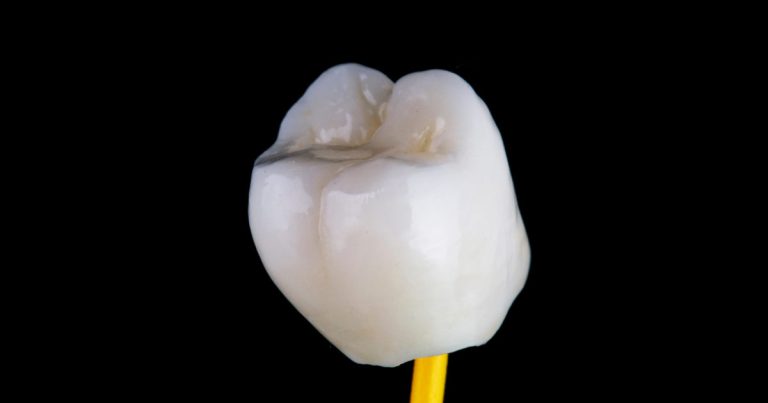
Preventing Tooth Damage

Protect your tooth enamel

You may be surprised to learn that tooth enamel is actually the hardest substance in the human body. That doesn’t mean it can’t be damaged, as cracked, chipped, or broken teeth are quite common. To prevent this sort of damage, it’s very important to take care of our teeth; and this goes beyond good oral hygiene. There are many kinds of techniques, habits, and foods that can do damage to tooth enamel.

Be careful what you bite down on

Chewing on ice cubes or popcorn kernels are common examples of things people do that can cause damage to tooth enamel. Eating or drinking things with high acidic content can also weaken tooth enamel, making it more susceptible to damage.

It isn’t just food, either, as biting fingernails, chewing on pens or pencils, and opening packages with your teeth can result in damage as well.

Teeth clenching and grinding

A very common way people damage their tooth enamel is through bruxism. Bruxism is the term for jaw clenching your jaw or teeth grinding, whether done when a person is awake or asleep. When you continue to do this, your teeth become worn down, which is what we call attrition. Root dentin can become exposed if your attrition becomes serious enough. When dentin is exposed, your teeth become very sensitive to hot and cold. Not only does clenching and grinding damage teeth, it can also cause damage to the ligaments in your jaw and alveolar bone. The damage can lead to periodontal disease.

There are a number of treatments available for bruxism, including night guards and bite correction.

The causes and management of bruxism are complex. Nightguards and, sometimes, bite correction can balance forces applied to the teeth by bruxism. However, treating bruxism may involve evaluating for sleep disorders, medication management, and evaluation of psychosocial factors.

Oral Piercings

Oral piercings deserve special mention, as they pose a number of oral health risks.

Some of these health risks include:

  • Bleeding
  • Infections
  • Swelling
  • Chipped teeth
  • Airway Obstruction
  • Hypersalivation
  • Gum Recession
  • Scarring

Some of these issues are fairly common among people who have oral piercings. One study found that gum recession occurred in 50% of people who had a lip piercing and 44% who had a tongue piercing. In the same study, 26% of the individuals with a tongue piercing had some form of tooth damage.

Because there are no regulations over body piercings, caution must be taken when getting one. In addition to the health concerns above, there is also a risk of contracting hepatitis and other blood-borne diseases due to unclean piercing needles.

How to care for oral piercings

If you have any kind of oral piercing already, there are some ways to make sure you limit the risk of issues. Practicing good oral hygiene, like brushing and flossing twice per day, using toothpaste with fluoride, and using a mouthwash that is alcohol-free.

It is important to keep the piercing site clean and be sure to notice any signs of potential issues. These include any pain, tenderness, swelling, or unusual discharges from the piercing site.

Besides choosing not to get an oral piercing, the best way to keep a healthy mouth is through good oral hygiene and routine trips to the dentist. If you do have an oral piercing, your dentist will be able to give you tips on how to best care for it.

Related Post

Porcelain Crown
Porcelain Crowns

Porcelain Crowns

Introduction A porcelain crown is one of the most common options patients ask about when they need a tooth restored and still want it to look natural. Maybe a tooth broke. Maybe an old filling is too large to repair again. Maybe a root-canal-treated tooth needs more protection. Or maybe a front tooth is dark, worn, misshapen, or covered by an old crown that no longer blends in. “Porcelain crown” sounds simple, but it can mean several different things in modern dentistry. Some crowns are porcelain fused to metal. Some are all-ceramic. Some are zirconia. Some are lithium disilicate.

Read More »
Nightguards
Nightguards

Nightguards

Introduction Many people first hear about nightguards after a dentist points out worn teeth, cracked fillings, chipped enamel, sore jaw muscles, or damage to expensive dental work. Others search for nightguards because they wake up with jaw pain, headaches, tooth sensitivity, or because a partner hears them grinding their teeth at night. A nightguard can be a helpful protective appliance, but it is often misunderstood. It does not necessarily “cure” grinding. It does not automatically fix every jaw problem. It is not the same as a sports mouthguard. It is not the same as a sleep apnea oral appliance.

Read More »
snap-on smile
Snap-On Smile

Snap-On Smile

Introduction Snap-On Smile is one of those dental topics that can sound almost too good to be true. Patients often find it while searching for a fast way to improve their smile without drilling, shots, braces, veneers, crowns, implants, or a long treatment plan. That interest is understandable. Many people feel embarrassed about stained teeth, gaps, chips, missing teeth, worn teeth, old dental work, or a smile that no longer looks the way they want. Others are anxious about dental treatment, worried about cost, or not ready to commit to permanent cosmetic dentistry. Snap-On Smile may be a helpful

Read More »

Related Post

Porcelain Crown
Porcelain Crowns
cem

Porcelain Crowns

Introduction A porcelain crown is one of the most common options patients ask about when they need a tooth restored and still want it to look natural. Maybe a tooth broke. Maybe an old filling is too large to repair again. Maybe a root-canal-treated tooth needs more protection. Or maybe a front tooth is dark, worn, misshapen, or covered by an old crown that no longer blends in. “Porcelain crown” sounds simple, but it can mean several different things in modern dentistry. Some crowns are porcelain fused to metal. Some are all-ceramic. Some are zirconia. Some are lithium disilicate.

Read More »
Nightguards
Nightguards
cem

Nightguards

Introduction Many people first hear about nightguards after a dentist points out worn teeth, cracked fillings, chipped enamel, sore jaw muscles, or damage to expensive dental work. Others search for nightguards because they wake up with jaw pain, headaches, tooth sensitivity, or because a partner hears them grinding their teeth at night. A nightguard can be a helpful protective appliance, but it is often misunderstood. It does not necessarily “cure” grinding. It does not automatically fix every jaw problem. It is not the same as a sports mouthguard. It is not the same as a sleep apnea oral appliance.

Read More »
snap-on smile
Snap-On Smile
cem

Snap-On Smile

Introduction Snap-On Smile is one of those dental topics that can sound almost too good to be true. Patients often find it while searching for a fast way to improve their smile without drilling, shots, braces, veneers, crowns, implants, or a long treatment plan. That interest is understandable. Many people feel embarrassed about stained teeth, gaps, chips, missing teeth, worn teeth, old dental work, or a smile that no longer looks the way they want. Others are anxious about dental treatment, worried about cost, or not ready to commit to permanent cosmetic dentistry. Snap-On Smile may be a helpful

Read More »
Skip to content