Dementia

According to the National Institutes of Aging,  the bacteria responsible for periodontal disease are also associated with the development of dementia  (particularly vascular dementia) and Alzheimer’s disease.

We frequently emphasize the importance of oral health and treatment of periodontal/gum disease, as this infection of the tissues surrounding the gums allows bacteria from the mouth to enter the bloodstream and affect other parts of the body.

Using data from the National Health and Nutrition Examination Survey along with blood tests, the National Institutes of Aging researchers looked at a group of more than 6,000 people to find if the oral bacteria in gum disease could be linked with diagnoses of dementia.

They looked for nineteen different types of oral bacteria, including Porphyromonas gingivalis, which is the most typical type of bacteria found in gum disease. In those who are afflicted by Alzheimer’s, it’s been found that beta-amyloid proteins can clump together to form plaques.  A previous study has suggested that these plaques may actually be produced in the body as a response to Porphyromonas gingivalis.

One of the findings was that older adults with gum disease at the start of the study were more likely to develop Alzheimer’s during the course of the study than those who did not have signs of gum infections.

While it appears to be clear that there are connections between dementia and the bacteria found in periodontal disease, researchers are looking into more long-term studies to learn more about this association. The current findings suggest that gum disease may precede cases of dementia, but it’s also known that dementia makes it harder for patients to properly care for their teeth and gums. Further research needs to be done into whether or not treatment of infections of gingivalis can have an impact on Alzheimer’s disease.

Related Post

CEREC Same-Day Crown

CEREC Same-Day Crown

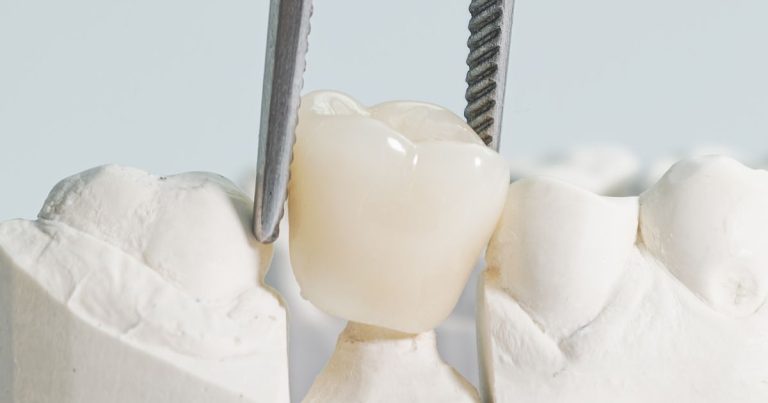
Modern dental technology has introduced convenient options like CEREC same-day crowns for restoring damaged teeth. Unlike traditional crowns that require multiple visits and temporary crowns, a CEREC crown is designed, milled, and placed in a single appointment. In this comprehensive guide, we’ll explain what CEREC crowns are, who might need one, how the procedure works, and what to expect before, during, and after treatment. We’ll also cover the benefits, potential drawbacks, alternatives, costs, and address common misconceptions about same-day crowns.   What Are CEREC Same-Day Crowns? A dental crown is a custom-made “cap” that covers a damaged or weakened

Read More »
Oral Cancer Screening

Oral Cancer Screening

Regular dental check-ups aren’t just about checking for cavities – they also include important preventive measures like oral cancer screenings. Dentists are often the first healthcare professionals to spot early signs of oral cancer during a routine in-office exam. In this article, we’ll explain what an oral cancer screening is, who should get them, what to expect during the exam, and why these quick, painless checks are such an essential part of preventive dental care. We’ll also address common myths, discuss HPV-related oral cancers and the HPV vaccine, and cover how often screenings are recommended and how insurance handles

Read More »
Amalgam Filling
Amalgam Fillings

Amalgam Fillings

What Are Amalgam Fillings? Amalgam fillings – often called “silver fillings” – are a common type of dental filling used to repair cavities caused by tooth decay. They are made from a mixture of metals, including liquid mercury and a powdered alloy of silver, tin, copper, and sometimes zinc. In fact, about 50% of an amalgam filling is elemental mercury by weight, which binds the other metals into a durable, solid filling. Amalgam has been used in dentistry for over 150 years as a safe, strong, and affordable restorative material. These silver-colored fillings are most often placed in back

Read More »

Related Post

CEREC Same-Day Crown
cem

CEREC Same-Day Crown

Modern dental technology has introduced convenient options like CEREC same-day crowns for restoring damaged teeth. Unlike traditional crowns that require multiple visits and temporary crowns, a CEREC crown is designed, milled, and placed in a single appointment. In this comprehensive guide, we’ll explain what CEREC crowns are, who might need one, how the procedure works, and what to expect before, during, and after treatment. We’ll also cover the benefits, potential drawbacks, alternatives, costs, and address common misconceptions about same-day crowns.   What Are CEREC Same-Day Crowns? A dental crown is a custom-made “cap” that covers a damaged or weakened

Read More »
Oral Cancer Screening
cem

Oral Cancer Screening

Regular dental check-ups aren’t just about checking for cavities – they also include important preventive measures like oral cancer screenings. Dentists are often the first healthcare professionals to spot early signs of oral cancer during a routine in-office exam. In this article, we’ll explain what an oral cancer screening is, who should get them, what to expect during the exam, and why these quick, painless checks are such an essential part of preventive dental care. We’ll also address common myths, discuss HPV-related oral cancers and the HPV vaccine, and cover how often screenings are recommended and how insurance handles

Read More »
Amalgam Filling
Amalgam Fillings
cem

Amalgam Fillings

What Are Amalgam Fillings? Amalgam fillings – often called “silver fillings” – are a common type of dental filling used to repair cavities caused by tooth decay. They are made from a mixture of metals, including liquid mercury and a powdered alloy of silver, tin, copper, and sometimes zinc. In fact, about 50% of an amalgam filling is elemental mercury by weight, which binds the other metals into a durable, solid filling. Amalgam has been used in dentistry for over 150 years as a safe, strong, and affordable restorative material. These silver-colored fillings are most often placed in back

Read More »
Skip to content