
Dentures & Partial Dentures

Dentures & Partial Dentures

Tooth loss can occur due to many reasons, be it the result of untreated periodontal disease or tooth decay. Whatever the reason for the loss of teeth, it can result in issues when it comes to biting, chewing, and speaking. Shifting of the remaining teeth can cause discomfort, and many people who are missing teeth feel self-conscious about it.

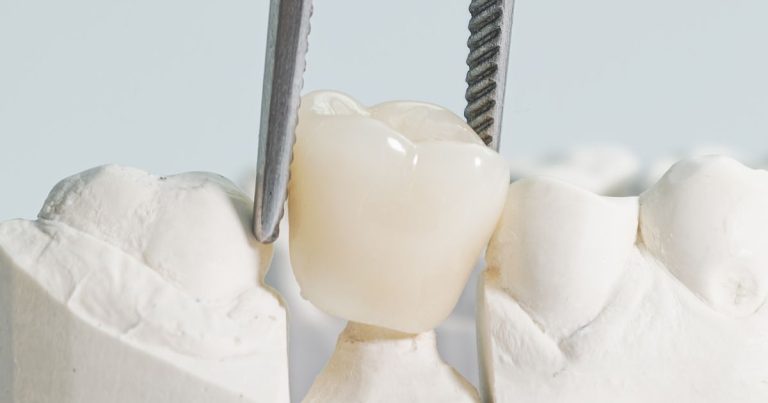
Dentistry offers many solutions to the problem of missing teeth, depending on how many teeth are missing, the state of the remaining teeth, and other aspects. Likely the most cost-effective option for those missing many or all of their teeth are dentures or partial dentures.

Dentures and partials can restore your ability to eat, give you your smile back and help reduce the sunken look that those with missing teeth may have due to bone loss and sagging facial muscles resulting from tooth loss.

The best option for you depends on your specific situation, so call to schedule a consultation with your dentist to discuss your options.

What types of dentures are available?

Restorations are available to replace all of the teeth on the upper or lower arch of the mouth. These are known as complete dentures.

For those who have remaining healthy teeth, partial dentures can be made to attach to them and fill in the areas where teeth are missing.

Bridges are an additional option for smaller gaps between natural teeth.

If enough healthy bone remains, implant-supported dentures may be an option. This method combines dentures with dental implants to provide for a more stable fit and better biting force.

Related Post

Ceramic Braces
Ceramic Braces

Ceramic Braces

What Are Ceramic Braces? Ceramic braces are a type of orthodontic appliance used to straighten teeth. They work much like traditional braces but use brackets made from clear or tooth-colored ceramic (porcelain) instead of metal. An archwire threaded through these brackets applies gentle, constant pressure to shift teeth into the desired position over time. Because the brackets and often the ties are designed to blend with your enamel, ceramic braces are sometimes called “clear braces” or “tooth-colored braces” – they are far less noticeable than shiny metal brackets. They can treat a wide range of alignment issues (crooked teeth,

Read More »
Orthodontic Retainers
Retainers

Retainers

What Are Orthodontic Retainers? Orthodontic retainers are custom-made devices designed to hold your teeth in their new positions after braces or clear aligners. When your orthodontic treatment is finished and the braces come off (or you finish your aligner series), a retainer is made specifically for your mouth. It fits snugly over or behind your teeth to keep them aligned. In essence, retainers ensure that all the hard work of straightening your teeth isn’t undone – they “retain” your smile’s new alignment. Retainers can be made of plastic, acrylic, and/or thin metal wires, depending on the type. Each retainer

Read More »
VELscope-oral-cancer-detection
VELscope

VELscope for Oral Cancer Detection

Oral cancer screening is a routine (and important) part of most dental checkups. In addition to the standard visual and tactile exam under white light, some dental offices use light-based technology such as VELscope to help identify tissue changes that may not be obvious to the naked eye. VELscope is not a substitute for a dentist’s exam or a biopsy—it’s considered an adjunctive tool that can help the dentist decide whether an area needs closer evaluation or referral.   Key takeaways VELscope uses blue light to make healthy vs. suspicious oral tissue look different by highlighting changes in natural

Read More »

Related Post

Ceramic Braces
Ceramic Braces
cem

Ceramic Braces

What Are Ceramic Braces? Ceramic braces are a type of orthodontic appliance used to straighten teeth. They work much like traditional braces but use brackets made from clear or tooth-colored ceramic (porcelain) instead of metal. An archwire threaded through these brackets applies gentle, constant pressure to shift teeth into the desired position over time. Because the brackets and often the ties are designed to blend with your enamel, ceramic braces are sometimes called “clear braces” or “tooth-colored braces” – they are far less noticeable than shiny metal brackets. They can treat a wide range of alignment issues (crooked teeth,

Read More »
Orthodontic Retainers
Retainers
cem

Retainers

What Are Orthodontic Retainers? Orthodontic retainers are custom-made devices designed to hold your teeth in their new positions after braces or clear aligners. When your orthodontic treatment is finished and the braces come off (or you finish your aligner series), a retainer is made specifically for your mouth. It fits snugly over or behind your teeth to keep them aligned. In essence, retainers ensure that all the hard work of straightening your teeth isn’t undone – they “retain” your smile’s new alignment. Retainers can be made of plastic, acrylic, and/or thin metal wires, depending on the type. Each retainer

Read More »
VELscope-oral-cancer-detection
VELscope
cem

VELscope for Oral Cancer Detection

Oral cancer screening is a routine (and important) part of most dental checkups. In addition to the standard visual and tactile exam under white light, some dental offices use light-based technology such as VELscope to help identify tissue changes that may not be obvious to the naked eye. VELscope is not a substitute for a dentist’s exam or a biopsy—it’s considered an adjunctive tool that can help the dentist decide whether an area needs closer evaluation or referral.   Key takeaways VELscope uses blue light to make healthy vs. suspicious oral tissue look different by highlighting changes in natural

Read More »
Skip to content