Tooth Abscess

An abscess happens when a bacterial infection causes a pocket of pus to form around a tooth. Abscesses have a number of causes and can affect not just the tooth, but the surrounding tissue and bone as well. Abscesses may even affect adjacent teeth. The types of abscesses are determined by where they are located. The three most common are:

Periapical Abscess
An abscess located at the tip of the root of the tooth. These are often the result of bacteria entering the pulp of the tooth through a cavity or fracture.

Periodontal Abscess
An abscess in the gum tissue that supports the tooth. These often result from gum disease and can spread to the surrounding area.

Gingival Abscess
An abscess in the gum tissue. These usually do not affect the tooth directly.

It is very important that tooth infections are treated, as they can otherwise spread to the jawbone, tissues of the face and neck, and even to the heart and brain in rare cases.

Symptoms of Abscessed Teeth

Some symptoms of an abscess include:

  • Throbbing pain near tooth or gums
  • Pain that increases when you lie down
  • Pain when eating
  • Red, swollen gums
  • Tooth sensitivity
  • Discolored teeth
  • Loose teeth
  • Bad breath
  • Bad taste in the mouth
  • Swelling in the face
  • Swollen lymph nodes in neck or jaw
  • Fever
  • Difficulty in swallowing or breathing

Treatment

Treatment is vital in order to eliminate the infection and prevent further health complications. Treatment methods include:

Draining the abscess
A small incision will be made to allow for the pus to be drained. Once completed, the area will be cleaned with a saline solution.

Root canal therapy
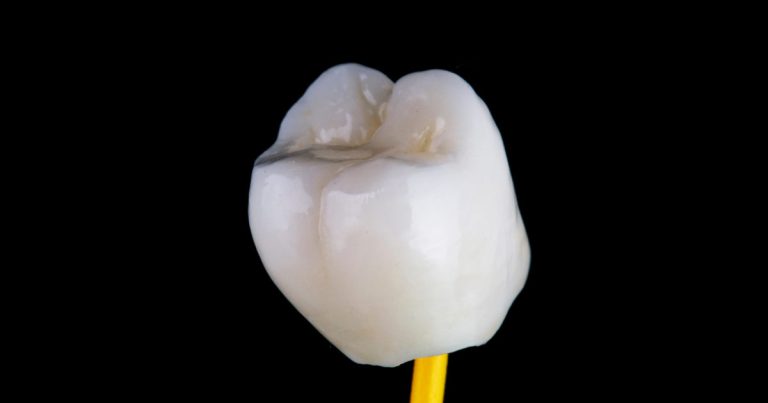
If the pulp of the tooth is infected, root canal therapy can be used to remove the infection. A crown will typically be used to protect the tooth after the procedure.

Tooth extraction
If the damage to the tooth is too significant, making saving it with root canal therapy impossible, an extraction may be performed, instead. The extraction will also allow the abscess to be drained.

Antibiotics
Depending on the extent of the infection, you may be prescribed antibiotics to help eliminate the remaining bacteria.

Related Post

CEREC Same-Day Crown

CEREC Same-Day Crown

Modern dental technology has introduced convenient options like CEREC same-day crowns for restoring damaged teeth. Unlike traditional crowns that require multiple visits and temporary crowns, a CEREC crown is designed, milled, and placed in a single appointment. In this comprehensive guide, we’ll explain what CEREC crowns are, who might need one, how the procedure works, and what to expect before, during, and after treatment. We’ll also cover the benefits, potential drawbacks, alternatives, costs, and address common misconceptions about same-day crowns.   What Are CEREC Same-Day Crowns? A dental crown is a custom-made “cap” that covers a damaged or weakened

Read More »
Oral Cancer Screening

Oral Cancer Screening

Regular dental check-ups aren’t just about checking for cavities – they also include important preventive measures like oral cancer screenings. Dentists are often the first healthcare professionals to spot early signs of oral cancer during a routine in-office exam. In this article, we’ll explain what an oral cancer screening is, who should get them, what to expect during the exam, and why these quick, painless checks are such an essential part of preventive dental care. We’ll also address common myths, discuss HPV-related oral cancers and the HPV vaccine, and cover how often screenings are recommended and how insurance handles

Read More »
Amalgam Filling
Amalgam Fillings

Amalgam Fillings

What Are Amalgam Fillings? Amalgam fillings – often called “silver fillings” – are a common type of dental filling used to repair cavities caused by tooth decay. They are made from a mixture of metals, including liquid mercury and a powdered alloy of silver, tin, copper, and sometimes zinc. In fact, about 50% of an amalgam filling is elemental mercury by weight, which binds the other metals into a durable, solid filling. Amalgam has been used in dentistry for over 150 years as a safe, strong, and affordable restorative material. These silver-colored fillings are most often placed in back

Read More »

Related Post

CEREC Same-Day Crown
cem

CEREC Same-Day Crown

Modern dental technology has introduced convenient options like CEREC same-day crowns for restoring damaged teeth. Unlike traditional crowns that require multiple visits and temporary crowns, a CEREC crown is designed, milled, and placed in a single appointment. In this comprehensive guide, we’ll explain what CEREC crowns are, who might need one, how the procedure works, and what to expect before, during, and after treatment. We’ll also cover the benefits, potential drawbacks, alternatives, costs, and address common misconceptions about same-day crowns.   What Are CEREC Same-Day Crowns? A dental crown is a custom-made “cap” that covers a damaged or weakened

Read More »
Oral Cancer Screening
cem

Oral Cancer Screening

Regular dental check-ups aren’t just about checking for cavities – they also include important preventive measures like oral cancer screenings. Dentists are often the first healthcare professionals to spot early signs of oral cancer during a routine in-office exam. In this article, we’ll explain what an oral cancer screening is, who should get them, what to expect during the exam, and why these quick, painless checks are such an essential part of preventive dental care. We’ll also address common myths, discuss HPV-related oral cancers and the HPV vaccine, and cover how often screenings are recommended and how insurance handles

Read More »
Amalgam Filling
Amalgam Fillings
cem

Amalgam Fillings

What Are Amalgam Fillings? Amalgam fillings – often called “silver fillings” – are a common type of dental filling used to repair cavities caused by tooth decay. They are made from a mixture of metals, including liquid mercury and a powdered alloy of silver, tin, copper, and sometimes zinc. In fact, about 50% of an amalgam filling is elemental mercury by weight, which binds the other metals into a durable, solid filling. Amalgam has been used in dentistry for over 150 years as a safe, strong, and affordable restorative material. These silver-colored fillings are most often placed in back

Read More »
Skip to content