Orthodontist

What is an Orthodontist?

An orthodontist is a dentist who has a focus on correcting the alignment of a patient’s teeth and jaw in cases of misalignment. A patient may need to receive a realignment for cosmetic or functional purposes. Additionally, a realignment may alleviate pain or discomfort experienced by the patient.

What Does an Orthodontist Do?

An orthodontist, typically referred to by a general dentist, will correct many problems with the alignment of a patient’s teeth and jaw through the use of braces. These problems include crowding, spacing, crooked teeth, and more. If these types of problems are not corrected, the patient may have some negative experiences both now, and in the future. Usually, an initial consultation is needed before a treatment plan can be designed. At the initial consultation, an orthodontist will take x-rays and moldings of the mouth in order to make a proper assessment of your teeth and determine what treatment plan is necessary for your case.

What types of braces are available?

Traditional Braces: When you think of braces, this is typically the image that comes to mind. Traditional braces are made from high-grade stainless steel and utilize brackets that are cemented to the surface of each tooth. After the brackets are in place, a wire is placed in order to put pressure on your teeth and cause a slow correction. In addition to brackets and wires, traditional braces also make use of elastics, bands, or o-rings. Your orthodontist will change these each time your braces are adjusted.

Ceramic Braces: Ceramic braces are very similar to traditional braces. The key difference between ceramic and traditional braces is that ceramic braces utilize a transparent material that is much less visible than traditional brackets. Due to being less visible, ceramic braces are a popular option for adults looking to receive braces.

Damon Braces: With advances in technology, damon braces are growing in popularity. Damon braces provides you with a treatment that is both gentler and that requires less time in the office. Damon braces use a slide mechanism in place of elastics to connect your brackets and wires. Typically, damon braces will provide a quicker treatment process, as they allow teeth to move naturally, without needing adjustments. Due to how Damon braces work, there is less friction and pain as your teeth move.

Removable Trays: You have probably heard of Invisalign, right? Invisalign is system of transparent, removable trays that is a popular alternative to braces. These trays, or aligners, are custom-made for your individual case and can be removed at any time to eat or drink. Typically, you will wear an aligner for roughly two weeks before transitioning to the next tray and advancing your treatment. Invisalign is a popular choice amongst people who do not want the hassle or the poking and prodding of metal braces, and want to spend less time in the chair.

Not all orthodontists will offer all types of orthodontic treatment options. It is important to consult your dentist and an orthodontist in order to determine which kind of braces will provide you with the best results.

Related Post

CEREC Same-Day Crown

CEREC Same-Day Crown

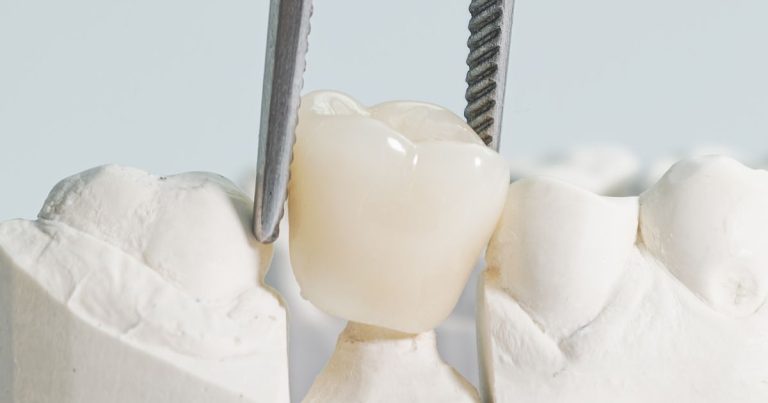
Modern dental technology has introduced convenient options like CEREC same-day crowns for restoring damaged teeth. Unlike traditional crowns that require multiple visits and temporary crowns, a CEREC crown is designed, milled, and placed in a single appointment. In this comprehensive guide, we’ll explain what CEREC crowns are, who might need one, how the procedure works, and what to expect before, during, and after treatment. We’ll also cover the benefits, potential drawbacks, alternatives, costs, and address common misconceptions about same-day crowns.   What Are CEREC Same-Day Crowns? A dental crown is a custom-made “cap” that covers a damaged or weakened

Read More »
Oral Cancer Screening

Oral Cancer Screening

Regular dental check-ups aren’t just about checking for cavities – they also include important preventive measures like oral cancer screenings. Dentists are often the first healthcare professionals to spot early signs of oral cancer during a routine in-office exam. In this article, we’ll explain what an oral cancer screening is, who should get them, what to expect during the exam, and why these quick, painless checks are such an essential part of preventive dental care. We’ll also address common myths, discuss HPV-related oral cancers and the HPV vaccine, and cover how often screenings are recommended and how insurance handles

Read More »
Amalgam Filling
Amalgam Fillings

Amalgam Fillings

What Are Amalgam Fillings? Amalgam fillings – often called “silver fillings” – are a common type of dental filling used to repair cavities caused by tooth decay. They are made from a mixture of metals, including liquid mercury and a powdered alloy of silver, tin, copper, and sometimes zinc. In fact, about 50% of an amalgam filling is elemental mercury by weight, which binds the other metals into a durable, solid filling. Amalgam has been used in dentistry for over 150 years as a safe, strong, and affordable restorative material. These silver-colored fillings are most often placed in back

Read More »

Related Post

CEREC Same-Day Crown
cem

CEREC Same-Day Crown

Modern dental technology has introduced convenient options like CEREC same-day crowns for restoring damaged teeth. Unlike traditional crowns that require multiple visits and temporary crowns, a CEREC crown is designed, milled, and placed in a single appointment. In this comprehensive guide, we’ll explain what CEREC crowns are, who might need one, how the procedure works, and what to expect before, during, and after treatment. We’ll also cover the benefits, potential drawbacks, alternatives, costs, and address common misconceptions about same-day crowns.   What Are CEREC Same-Day Crowns? A dental crown is a custom-made “cap” that covers a damaged or weakened

Read More »
Oral Cancer Screening
cem

Oral Cancer Screening

Regular dental check-ups aren’t just about checking for cavities – they also include important preventive measures like oral cancer screenings. Dentists are often the first healthcare professionals to spot early signs of oral cancer during a routine in-office exam. In this article, we’ll explain what an oral cancer screening is, who should get them, what to expect during the exam, and why these quick, painless checks are such an essential part of preventive dental care. We’ll also address common myths, discuss HPV-related oral cancers and the HPV vaccine, and cover how often screenings are recommended and how insurance handles

Read More »
Amalgam Filling
Amalgam Fillings
cem

Amalgam Fillings

What Are Amalgam Fillings? Amalgam fillings – often called “silver fillings” – are a common type of dental filling used to repair cavities caused by tooth decay. They are made from a mixture of metals, including liquid mercury and a powdered alloy of silver, tin, copper, and sometimes zinc. In fact, about 50% of an amalgam filling is elemental mercury by weight, which binds the other metals into a durable, solid filling. Amalgam has been used in dentistry for over 150 years as a safe, strong, and affordable restorative material. These silver-colored fillings are most often placed in back

Read More »
Skip to content